The Innovation Tax: Why Modern EVs Still Plague Owners With 80% More Problems Than Gas Cars
Consumer Reports' latest reliability data, sweeping across approximately 380,000 owner survey responses, delivers a sobering reality check to the elec...
Editorial Team
World Of EV
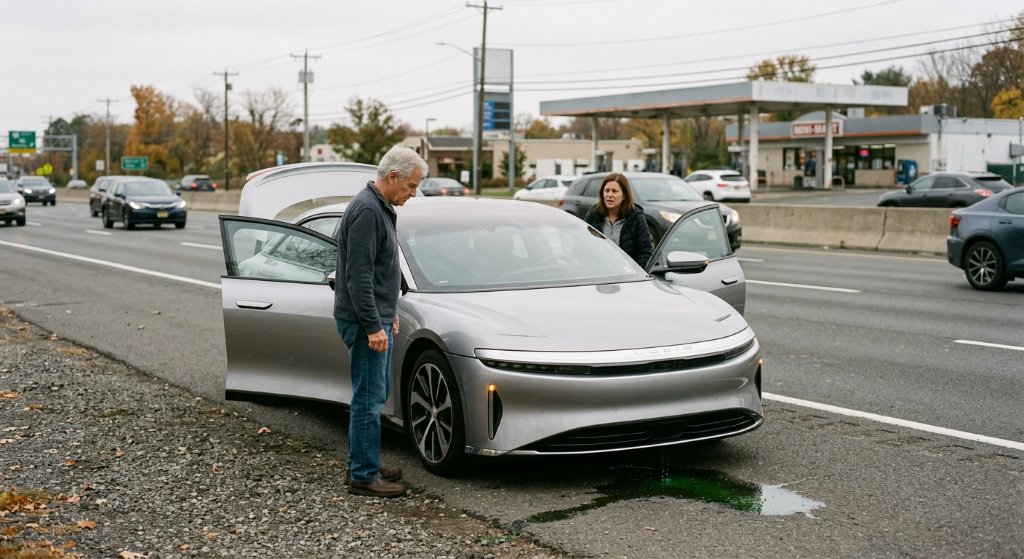
Consumer Reports' latest reliability data, sweeping across approximately 380,000 owner survey responses, delivers a sobering reality check to the electric vehicle transition: EVs still average a staggering 80% more problems than their traditional gasoline-powered counterparts. This isn't just a bump in the road; it is a systemic challenge. For years, automakers rushed to market with highly complex, software-defined architectures and unproven supply chains to catch up with market leaders. While early adopters praised the blistering acceleration and futuristic tech, the long-term reality is catching up, revealing a stark divide between initial showroom appeal and day-to-day durability.
The Complex Anatomy of Modern EV Failures
The data points directly to a mix of hardware vulnerabilities and software-defined growing pains. Startups and legacy manufacturers alike are faltering under the weight of their own cutting-edge aspirations. Rather than simple mechanical wear and tear, the issues plaguing modern EVs are deeply rooted in their advanced propulsion and digital ecosystems:
- Lucid Air: Plagued by early-stage luxury hurdles, owners of this ultra-premium sedan report recurring infotainment bugs, software glitches, and drive-unit vulnerabilities.
- Rivian R1S: Despite its rugged appeal and off-road capability, the R1S suffers from frequent coolant leaks and battery-management system glitches that disrupt its premium adventure positioning.
- Audi Q4 e-tron: Highlighting legacy auto's ongoing software struggle, this luxury crossover has left owners frustrated with persistent infotainment system crashes and electrical gremlins.
- Primary Failure Points: Across the broader EV spectrum, the most common headaches center on drive motor failures, thermal management (coolant leaks), and buggy in-car software.
The Honeymoon vs. The Ownership Reality
There is a fascinating paradox at play here: EV owners love their cars, until they don’t. Consumer Reports highlights a massive delta between high initial customer satisfaction and long-term vehicle reliability. When an EV is working, the silent cabin, instantaneous torque, and lack of routine oil changes create an unparalleled driving experience. However, when things go wrong—such as a complex thermal management failure or a bricked central touchscreen—the repair times are notoriously long due to parts shortages and a shortage of qualified EV technicians. This turns the dream of low-maintenance ownership into a nightmare of dealership visits.
Why This Matters:
- The Mainstream Chasm Widens: Early adopters were willing to tolerate software glitches and Over-The-Air (OTA) update cycles, but the mass-market consumer will not. This 80% failure gap is a massive roadblock for mainstream EV adoption, validating the hesitation of mainstream buyers.
- The Hybrid Windfall: Toyota’s conservative strategy of focusing on robust hybrid powertrains looks incredibly vindicated. Hybrids leverage proven gas engine tech with smaller, less complex batteries, offering the perfect middle ground of reliability and efficiency.
- Startups Face a Make-or-Break Moment: For companies like Lucid and Rivian, reliability isn’t just a metric—it’s a survival mechanism. Capital is expensive, and high warranty repair costs can quickly drain remaining cash reserves while permanently damaging brand equity in a highly competitive market.
As the EV market matures, the battleground is shifting away from who can build the fastest or most futuristic vehicle to who can build the most reliable one. Until manufacturers iron out the kinks in thermal management and prioritize stable, robust software over flashy digital gimmicks, electric vehicles will continue to carry a steep "innovation tax." For prospective buyers, the smart play is to look closely at warranty coverage and manufacturer track records before signing on the dotted line.