Tesla's FSD Transfer Bombshell Rocks Cybertruck AWD Orders: A Brewing Trust Crisis?
Tesla, a company synonymous with pushing boundaries, has once again found itself in the eye of a policy storm, significantly impacting early adopters ...
Editorial Team
World Of EV
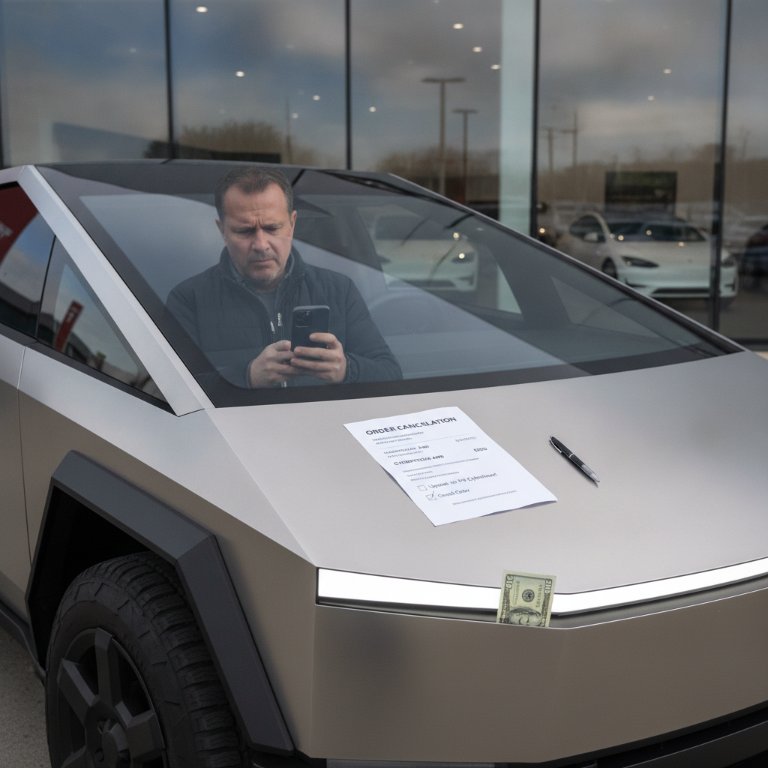
Tesla, a company synonymous with pushing boundaries, has once again found itself in the eye of a policy storm, significantly impacting early adopters of its much-anticipated All-Wheel-Drive Cybertruck. The automaker has reportedly reversed its Full Self-Driving (FSD) transfer policy for the AWD trim, a move that is generating considerable backlash among customers who had placed reservations expecting to carry over their substantial FSD investment. This isn't merely a minor tweak; it represents a fundamental shift that questions the value proposition for many eager Cybertruck buyers.
For years, Tesla's FSD package has been a cornerstone of its aspirational technology, promising autonomous driving capabilities for a premium price, often ranging from $12,000 to $15,000. The ability to transfer this expensive software package to a new vehicle has been a powerful incentive for long-time Tesla owners upgrading their models. It provided a degree of future-proofing for a costly digital asset. The initial indication that FSD transfers would apply to the AWD Cybertruck fueled excitement, particularly given the vehicle's $59,000 entry point for this trim, making the FSD transfer a significant saving.
The Policy U-Turn: FSD Locked Behind Premium Trims
The core of the controversy lies in Tesla's sudden adjustment of its FSD transfer terms and conditions. Initially, customers purchasing the All-Wheel-Drive Cybertruck were led to believe their existing FSD purchases could seamlessly transfer to their new electric truck. However, Tesla has now unequivocally stated that FSD transfers will not be permitted for the AWD trim unless customers opt to upgrade to the significantly more expensive Premium or Cyberbeast trims. This abrupt change has left a trail of frustration and confusion, particularly for those who meticulously planned their purchase around this crucial feature.
Customer Backlash and Order Cancellations Mount
Predictably, this policy reversal has sparked a wave of discontent. A notable number of customers, relying on the original understanding, had placed reservations for the $59,000 AWD Cybertruck, anticipating the invaluable FSD transfer option. For many, the transfer was not just a convenience but a financial imperative, making the Cybertruck a more viable upgrade. Now, faced with either forfeiting their FSD investment or spending tens of thousands more to upgrade to a higher trim, these customers are making tough decisions. Reports indicate a rise in order cancellations as a direct consequence of this policy shift, with buyers opting for a refund of their $250 reservation fee rather than accepting the new terms. Tesla is offering affected customers three clear choices:
- Proceed with their AWD Cybertruck order without the FSD transfer.
- Upgrade to a Premium or Cyberbeast trim to maintain the FSD transfer eligibility.
- Cancel their order and receive a full refund of their $250 reservation fee.
Why This Matters:
This isn't just about a policy change; it strikes at the heart of customer trust and the perceived value of Tesla's most ambitious software offering. Tesla's decision to restrict FSD transfers to higher-tier Cybertruck trims has several significant implications:
- Erosion of Customer Trust: For a brand that cultivates a fiercely loyal fan base, abrupt policy changes, particularly involving high-value software, risk alienating early adopters and diminishing long-term goodwill. Customers who feel misled are less likely to be brand advocates.
- Impact on FSD Adoption and Revenue: While potentially incentivizing upgrades to more profitable Cybertruck trims, this move could simultaneously deter new FSD purchases or existing FSD owners from upgrading to the AWD Cybertruck. It complicates the value proposition for FSD and might lead some to question the long-term transferability of their FSD investment across any future Tesla vehicles.
- Competitive Disadvantage: In an increasingly competitive EV landscape, transparent and consistent policies are paramount. Rivals are constantly refining their ADAS offerings; such policy volatility from Tesla could be perceived as uncertainty, making other brands more appealing to discerning buyers.
- Signal to the Market: This could signal Tesla's evolving strategy for monetizing FSD, potentially moving towards bundling it more tightly with higher-margin vehicles or exploring alternative subscription models without legacy transfer options. It implies FSD is becoming less of a standalone digital asset and more tied to specific hardware configurations.
Tesla’s latest FSD transfer policy adjustment for the AWD Cybertruck is more than a logistical change; it’s a strategic pivot that tests the loyalty and patience of its dedicated customer base. As the company navigates the complexities of scaling Cybertruck production and refining its FSD software, maintaining transparent and consistent policies will be crucial to safeguarding its reputation and fostering continued buyer confidence. The fallout from this decision will undoubtedly shape future purchasing considerations for many prospective Tesla owners.