Tesla's Colombian Rocket Launch Hits Regulatory Turbulence: Model Y's Triumph Clouded by SIC Order
Just two months after commencing deliveries, the Tesla Model Y stormed Colombia's automotive market, becoming the nation's best-selling vehicle in Mar...
Editorial Team
World Of EV
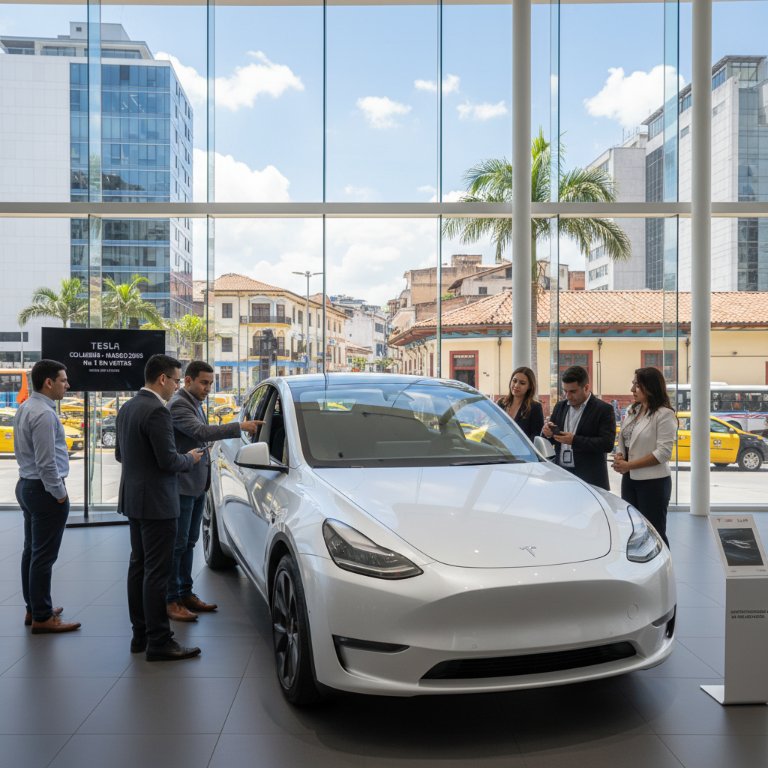
Just two months after commencing deliveries, the Tesla Model Y stormed Colombia's automotive market, becoming the nation's best-selling vehicle in March 2026 with 1,791 units delivered. This unprecedented market penetration, which saw the Model Y maintain its top spot in April with 2,264 units, underscored the potent 'Tesla Effect' in an emerging EV market. However, this meteoric rise has been abruptly overshadowed by a significant administrative order issued on May 14, 2026, by Colombia's Superintendencia de Industria y Comercio (SIC) against Tesla Motors Colombia S.A.S. The directive addresses critical issues that expose the growing pains of Tesla's rapid expansion into new territories.
Tesla officially entered the Colombian market in November 2025, opening orders with Model 3 and Model Y pricing reportedly among the lowest globally, coupled with a direct-sales model and strategic 'experience centers' in Bogotá and Medellín. This aggressive entry, supported by Colombia's favorable EV policies like duty-free imports and a preferential 5% VAT rate, fueled an explosive 304% surge in EV registrations in April.
Regulatory Headwinds Mount for Tesla Colombia
The SIC's administrative order, resulting from a review of approximately 23,700 orders placed between November 2025 and March 2026, mandates immediate corrective actions from Tesla. The core findings highlight systemic operational and transparency failures:
- Delivery Delays: More than 1,800 vehicles slated for delivery between February and March 2026 remained pending into April, indicating a significant gap between promised and actual delivery timelines.
- Inconsistent Warranty Information: The SIC identified critical inconsistencies and lack of clarity in Tesla's warranty disclosures, particularly regarding specific components like tires, leaving consumers in uncertainty.
- Misleading Supercharger Claims: Tesla faces scrutiny for potentially misleading claims about the actual existence and availability of its Supercharger infrastructure in Colombia, a crucial factor for EV adoption.
The regulator has warned that failure to comply could result in administrative sanctions and significant fines under Colombia's consumer protection law. Furthermore, the SIC has mandated that Tesla offer full refunds to buyers who choose to withdraw their purchase due to these delays and inconsistencies.
Why This Matters:
This regulatory intervention in Colombia is not merely a localized blip; it signals a critical test for Tesla's global expansion playbook, especially in burgeoning emerging markets. For savvy EV enthusiasts and prospective buyers, this highlights the inherent risks of early adoption in newly established markets, even from a dominant player like Tesla. The promise of advanced EVs is compelling, but the foundational elements of sales, service, and infrastructure must keep pace. The SIC's proactive stance on consumer protection could set a precedent for other Latin American nations, compelling EV manufacturers to be impeccably transparent regarding delivery schedules, warranty terms, and charging network availability.
Competitors like BYD, while currently trailing Tesla in sales, now have an unexpected advantage. While Tesla grapples with these issues, rivals can potentially leverage this moment to emphasize their local operational stability and existing support networks. This situation underscores that brand allure alone isn't sufficient; robust logistical execution and strict adherence to local consumer protection laws are paramount. For Tesla, this is a moment to demonstrate whether it can adapt its typically streamlined, direct-to-consumer model to the unique challenges and regulatory landscapes of diverse international markets, or if rapid growth will continue to expose vulnerabilities that erode consumer trust and invite further scrutiny. Beyond the immediate fines, damage to reputation and potential slowdown in future sales represent the real cost.
Tesla's impressive sales figures in Colombia clearly demonstrate the immense appetite for electric vehicles in the region. However, the subsequent administrative order from the SIC serves as a stark reminder that market domination requires more than just compelling products; it demands meticulous operational integrity and unwavering transparency. How Tesla responds to these directives and rectifies its practices will be crucial not only for its standing in Colombia but also for its broader aspirations across South America.