Tesla Retires 'Full Self-Driving' in China: A Pivotal Shift Towards Regulatory Reality
In a significant move that underscores the mounting pressure from global regulators, Tesla has officially rebranded its controversial ‘Full Self-Drivi...
Editorial Team
World Of EV
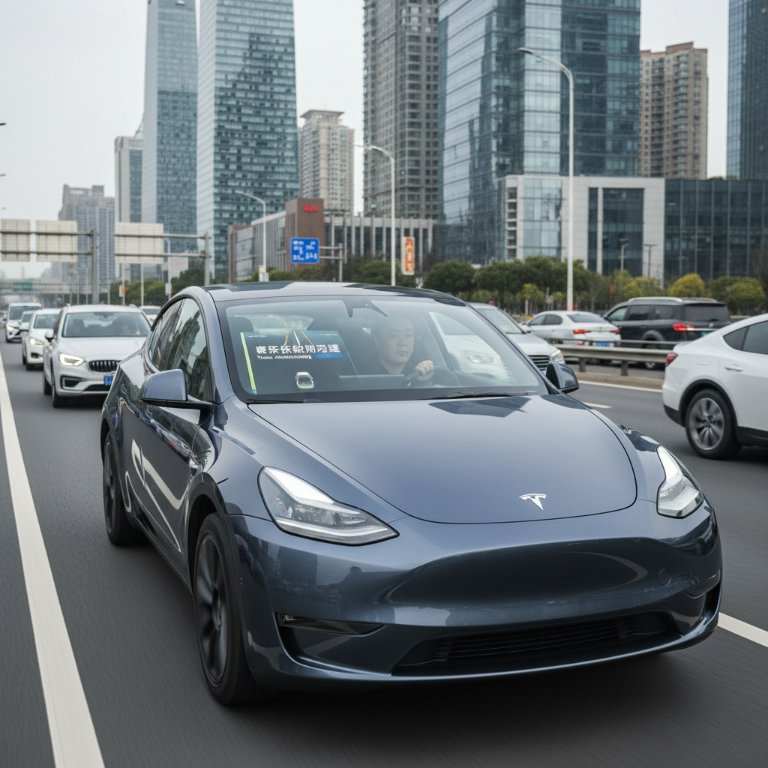
In a significant move that underscores the mounting pressure from global regulators, Tesla has officially rebranded its controversial ‘Full Self-Driving’ (FSD) software in China to ‘Tesla Assisted Driving’ (特斯拉辅助驾驶). The change, reported on May 23, 2026, marks a critical acknowledgement of the system's current capabilities, aligning its nomenclature with the Level 2 advanced driver-assistance system (ADAS) it truly is. This isn't merely a semantic tweak; it's a strategic pivot that reflects a growing imperative for transparency in the rapidly evolving autonomous vehicle landscape.
Tesla’s ‘Full Self-Driving’ moniker has long been a lightning rod for criticism, sparking debates among industry analysts, safety advocates, and regulators alike. For years, the company has marketed a system bearing the ambitious ‘Full Self-Driving’ name, even as it clearly states that the human driver remains responsible for the vehicle at all times. This inherent contradiction has fueled consumer confusion and regulatory scrutiny across key markets, leading to questions about the safety implications of such aspirational branding.
The Great Renaming: A Concession to Clarity
The shift to ‘Tesla Assisted Driving’ in China is a direct response to these sustained criticisms, particularly from regulatory bodies advocating for more truthful product descriptions. It’s a move that brings Tesla's branding in line with the actual functionality of its system, which, by industry standards, remains firmly at Level 2 autonomy. This level requires continuous driver engagement and supervision, a stark contrast to the fully autonomous Level 5 capabilities implied by the original FSD name. While Tesla's FSD system continually evolves with impressive feature updates, its fundamental architecture still demands human oversight.
- New Name: ‘Tesla Assisted Driving’ (特斯拉辅助驾驶)
- Market: China
- Reason: Alignment with Level 2 ADAS capabilities and regulatory feedback
- Implication: Acknowledgment that the human driver remains ultimately responsible.
Why This Matters:
This rebranding in China represents far more than a simple marketing adjustment; it signals a maturing regulatory environment and a potential turning point for how advanced driver-assistance systems are named and perceived globally. For consumers, particularly those in the crucial Chinese market, this change offers much-needed clarity, potentially reducing misunderstandings about the system's current limitations. It's a win for consumer safety and transparency, giving prospective buyers a more realistic expectation of what ‘Tesla Assisted Driving’ can – and cannot – do. Regulators, who have consistently pushed back against misleading ADAS terminology, will undoubtedly view this as a significant concession and a positive step towards standardized, accurate branding across the industry.
For Tesla, this move is a complex strategic play. While it may temper some of the hype and perceived technological leadership associated with the 'Full Self-Driving' brand, it could also pave the way for smoother regulatory approvals and broader acceptance in a market critical to its global ambitions. This shift could set a precedent, potentially influencing similar name changes in other regions where regulatory bodies are increasingly scrutinizing ADAS terminology. The company, which has often pushed boundaries in both technology and marketing, appears to be adapting to a landscape where regulatory compliance and clear communication are becoming as crucial as technological innovation.
The rebranding of ‘Full Self-Driving’ to ‘Tesla Assisted Driving’ in China is a defining moment, signaling a broader industry trend towards greater honesty in ADAS nomenclature. It underscores the reality that while these systems offer incredible assistance, the journey to true full self-driving autonomy is still ongoing, and human responsibility remains paramount. This clearer communication benefits everyone, fostering greater trust and a more realistic understanding of the current state of automotive AI.