Pod Point CEO: Automated Smart Charging is the Ultimate EV Hack to Slash Electric Bills
As electric vehicle adoption continues to grow, the conversation is rapidly shifting from range anxiety to cost anxiety. Addressing these financial co...
Editorial Team
World Of EV
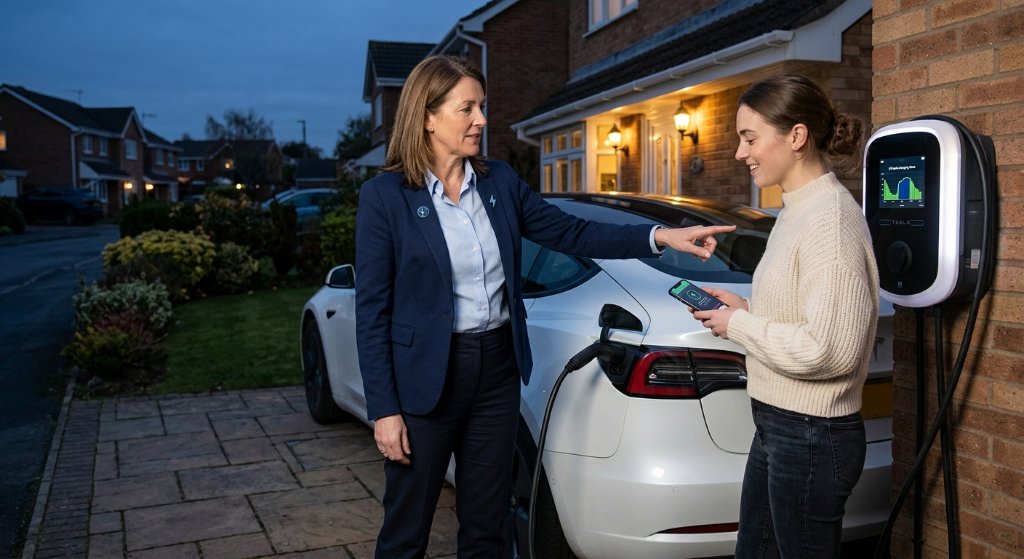
As electric vehicle adoption continues to grow, the conversation is rapidly shifting from range anxiety to cost anxiety. Addressing these financial concerns head-on, Pod Point CEO Melanie Lane recently shared that the single best way for EV owners to slash electricity costs is by utilizing automated overnight smart charging at home. By enrolling in dedicated EV-specific tariffs, drivers can schedule their vehicles to charge during off-peak hours for as low as 7p per kWh, representing a massive drop from the 25p daytime rate and up to 60p at public stations.
This advice comes at a crucial transition point for the EV sector. While early adopters were often content with simply plugging in overnight on standard flat-rate tariffs, today’s mass-market buyers are highly cost-sensitive. In an era of fluctuating utility bills, the shift from "dumb" charging to automated, software-driven energy management is no longer a luxury—it is becoming an economic necessity for everyday drivers looking to realize the true savings potential of going electric.
The Math Behind the Midnight Charge
The financial incentive for shifting charging habits to the off-peak overnight window is staggering. By taking advantage of dedicated EV tariffs, drivers can bypass standard domestic rates and public rapid-charging networks, both of which represent a major premium.
To put these numbers into perspective, here is what it costs to fully charge a typical 60 kWh family EV under different scenarios:
- Off-Peak EV Tariff (7p/kWh): ~£4.20 per charge
- Standard Daytime Tariff (25p/kWh): ~£15.00 per charge
- Public Rapid Charger (60p/kWh): ~£36.00 per charge
This means a driver relying on overnight smart charging could save over £30 per charge compared to using public rapid networks, and more than £10 per charge compared to standard home charging. For an average driver covering 10,000 miles a year, this equates to roughly £800 to £1,000 in annual savings.
How Automated Software Takes the Wheel
The secret to unlocking these rock-bottom rates without disrupting daily life lies in automated smart charging software. Instead of requiring drivers to manually plug in their cars in the dead of night, modern home chargers—such as Pod Point's latest Solo 3S—utilize intelligent, cloud-based applications to manage the process.
Drivers simply plug in when they get home from work, set their desired battery level and departure time via an app, and the system does the rest. The software actively monitors real-time grid demand, automatically initiating and pausing charging sessions to align perfectly with the cheapest, cleanest energy windows. Additionally, through grid-flexibility programs like Pod Point's recently launched "Pod Rewards," manufacturers are beginning to pay cash back to drivers who allow their charging to be dynamically paused during brief peaks in grid demand, further driving down the total cost of ownership.
Why This Matters:
The shift toward automated smart charging represents a critical evolution in how electric vehicles, the energy grid, and consumers interact. This trend reveals several deep structural implications for the industry:
- The Rise of the "Driveway Divide": While home-based smart charging offers unparalleled savings, it highlights a stark social and economic inequality. EV drivers with dedicated off-street parking enjoy a 5% domestic VAT rate and ultra-low overnight tariffs. Meanwhile, flat-dwellers and street-parkers are forced to rely on public chargers costing up to 60p/kWh or more, which are taxed at a standard 20% VAT rate. Bridging this "driveway divide" remains a massive hurdle for a fair and equitable EV transition.
- Hardware is Commodity; Software is King: Hardware manufacturers can no longer survive solely by selling metal boxes on walls. The real battleground is software integration. Companies like Pod Point, through partnerships like "Pod Power by EDF" or acquisitions of fleet managers like EO Charging, are turning chargers into smart energy-management hubs. Charging brands that fail to integrate with energy suppliers and offer automated tariff-matching will fast become obsolete.
- Grid Stabilization as a Revenue Stream: By consolidating thousands of EVs into virtual power plants (VPPs), charging networks can offer energy flexibility back to grid operators. This not only prevents localized grid overloads during peak dinner hours but also allows EV owners to monetize their parked vehicles, turning an expense into a potential passive income stream.
- A New Mandate for Car Dealerships: For prospective buyers sitting on the fence, the ability to refuel for the equivalent of roughly 1.5p per mile is the ultimate marketing tool. Legacy automakers and dealers must start educating buyers on energy tariffs at the point of sale, as the long-term financial viability of an EV now depends heavily on how and when it is charged.
Conclusion
Ultimately, Melanie Lane’s insights point to a future where electric vehicles are not just clean transportation, but active, cost-saving participants in a decentralized energy ecosystem. For the individual consumer, utilizing automated smart charging is no longer just a clever trick to save a few pennies; it is the single most effective way to realize the true financial promise of electric mobility. As software and utility tariffs become increasingly intertwined, the drivers who master the art of the midnight charge will be the ones who reap the greatest rewards.