Lexus Finally Gets Serious: 2026 ES Introduces Game-Changing EV Route Planning
For years, Toyota's luxury marque, Lexus, has approached the all-electric vehicle market with a measured, some might say cautious, hand. While pioneer...
Editorial Team
World Of EV
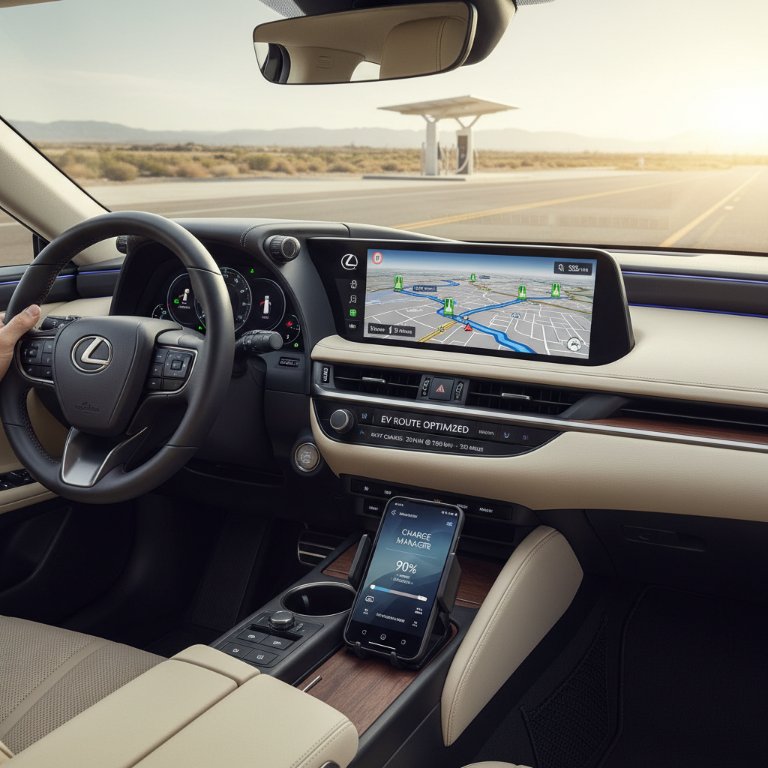
For years, Toyota's luxury marque, Lexus, has approached the all-electric vehicle market with a measured, some might say cautious, hand. While pioneers like Tesla built their empires on software-defined vehicles and integrated charging networks, Lexus often offered EVs that, despite their undeniable build quality, felt like adaptations of existing platforms, often lacking the sophisticated native EV-specific software experiences enjoyed by competitors. That era, it seems, is decisively over. The 2026 Lexus ES, slated to be an all-electric powerhouse, is set to fundamentally reshape the luxury EV ownership experience with the introduction of comprehensive, Tesla-like EV route planning and charge management.
The 2026 ES: A New Era for Lexus EV Travel
The upcoming 2026 Lexus ES represents a significant leap forward, signaling a clear intent from the brand to compete head-on in the premium EV space. At the heart of this transformation is the debut of the new Lexus Interface multimedia system, meticulously engineered on Toyota’s advanced Arene platform. This isn't just an infotainment upgrade; it’s a strategic pivot, integrating critical EV-centric functionalities that directly address a primary concern for potential EV buyers: range anxiety and seamless road trips.
Key features poised to redefine the ES driving experience include:
- EV Routing: This intelligent system will dynamically calculate the fastest possible route, intelligently incorporating convenient charging stops. This mirrors the industry-leading functionality found in Tesla's Trip Planner, a feature long admired by EV enthusiasts for its ability to simplify long-distance electric travel.
- EV Charge Management: Beyond just finding chargers, the system will allow drivers to monitor and manage their charging sessions directly through the Lexus app, providing real-time data and control, enhancing convenience and peace of mind.
- Native Navigation on Multi-Information Display: For enhanced driver focus and an integrated experience, navigation cues will now be displayed directly on the multi-information screen, reducing the need to glance at the central display.
This robust new system first saw the light of day in the 2026 RAV4, indicating a broader, strategic rollout across the Toyota and Lexus lineups, underscoring the company’s commitment to standardizing advanced EV technology across its portfolio.
Why This Matters:
This isn't merely an incremental update; it's a critical strategic move for Lexus and Toyota. In the fiercely competitive EV market, the user experience – particularly software and charging infrastructure integration – is paramount. For too long, Lexus EVs, while luxurious and refined, often forced owners to rely on third-party apps for robust trip planning, creating a fragmented and sometimes frustrating experience that fell short of the premium expectation. This new system closes that gap, delivering a fully integrated, cohesive journey that directly rivals the best in the business.
Who Wins? The clear winner here is the prospective Lexus EV owner. Range anxiety, a significant barrier for many, is directly mitigated by intelligent, native route planning. This enhances convenience, saves time, and elevates the entire ownership proposition. Lexus, as a brand, also wins by demonstrating its capability to deliver a technologically competitive, software-driven EV experience, attracting a new generation of luxury EV buyers.
What Does This Signal? This signals a profound shift in Toyota and Lexus's EV strategy. It's an acknowledgement that hardware excellence alone is no longer sufficient. Software, connectivity, and a seamless digital ecosystem are now non-negotiable pillars of a successful EV offering. It also suggests that the Arene platform is indeed the foundation for a more integrated, high-tech future across both brands, paving the way for further advancements in autonomy and connectivity.
This move by Lexus demonstrates a clear understanding that the future of luxury EVs is not just about opulent interiors and powerful motors, but about an intelligently integrated ecosystem that makes electric travel effortless. The 2026 ES, with its sophisticated EV routing, positions Lexus to be a far more formidable contender in the rapidly evolving premium EV landscape, finally offering a complete package that matches its luxury aspirations with cutting-edge, user-centric technology. This marks a significant milestone, transforming the brand's EV narrative from cautious follower to a serious, technologically competitive player.