Lease, Don't Buy: Why Used EV Leasing Is Surging 170% as Drivers Dodge Petrol Shocks and Depreciation Claws
As the global automotive industry wrestles with erratic pricing and high upfront costs, a massive shift is occurring on British roads. The British Veh...
Editorial Team
World Of EV
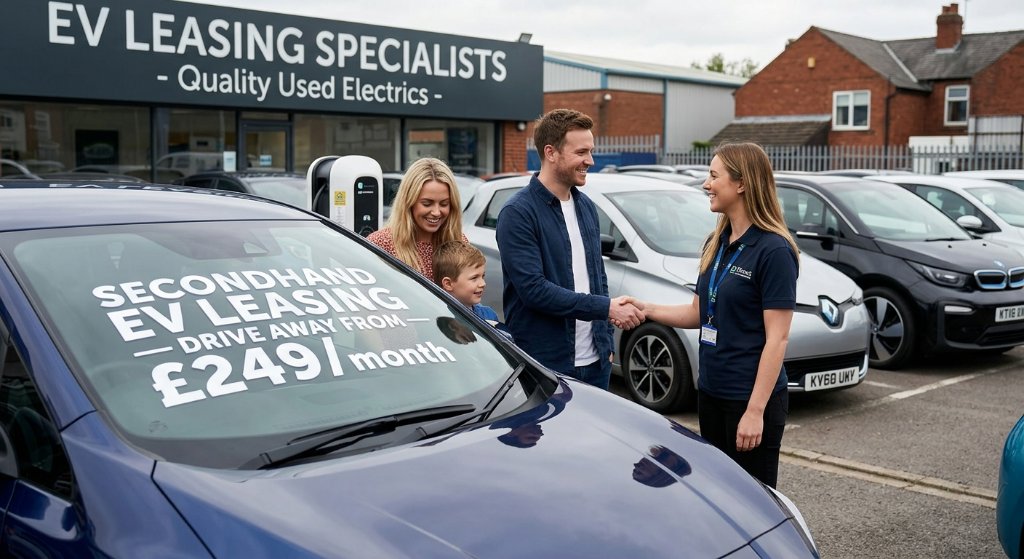
As the global automotive industry wrestles with erratic pricing and high upfront costs, a massive shift is occurring on British roads. The British Vehicle Rental and Leasing Association (BVRLA) reports that the number of consumers choosing to lease used electric vehicles (EVs) has skyrocketed by an astonishing 170% over the past year. This is not just a minor market fluctuation; it is a fundamental realignment of how drivers approach the transition to electric mobility in an era of unprecedented economic volatility.
This sudden surge comes at a critical juncture. For years, prospective EV buyers have been paralyzed by the twin terrors of rapid vehicle depreciation—frequently termed a "residual value crisis"—and the daunting price tags of brand-new models. By turning to secondhand leasing, savvy motorists are bypassing the financial risks of ownership while insulating themselves from the petrol pump shocks sparked by ongoing global geopolitical tensions.
The Ultimate Hedge Against the Residual Value Cliff
For the last few years, the biggest elephant in the EV showroom has been depreciation. New electric cars have historically shed their value far faster than their petrol or diesel counterparts, leaving early adopters and cash buyers burned by rapid equity loss. This rampant depreciation has made traditional ownership of a new EV a tough sell. Used leasing, however, completely rewrites the script. It transfers the risk of battery degradation and residual value collapse entirely onto the leasing company.
Why are drivers choosing this route?
- Zero Ownership Risk: You pay a fixed monthly fee and hand the keys back at the end of the term, bypassing the anxiety of what the car will be worth in three years.
- Preserved Battery Performance: Industry data shows modern EV batteries lose less than 2% of their capacity per year. A three-year-old leased EV typically retains roughly 95% of its original range, making "used" feel practically new.
- Cutting-Edge Tech for Less: Drivers gain access to premium features (like advanced driver-assistance systems and over-the-air updates) that were cutting-edge just 24 to 36 months ago, but at a fraction of the original MSRP.
A Perfect Storm of High Petrol Prices and Massive Supply
This 170% explosion in secondhand leasing is also fueled by immediate economic pressures. Soaring petrol prices have made internal combustion engine (ICE) motoring increasingly unsustainable for everyday commuters. Simultaneously, the market is being flooded with a rich supply of high-quality, ex-fleet electric vehicles. These are well-maintained, three-year-old cars returned by corporate salary sacrifice schemes, providing a goldmine of affordable stock for the used leasing market.
Why This Matters:
This is a watershed moment that signals a massive shift in consumer psychology: the death of ownership and the rise of "usership."
- The Big Winners: Consumers and leasing companies. For drivers, this model unlocks premium, modern EVs at price points that actually compete with traditional petrol cars. For leasing firms, "second-life" leasing allows them to sweat their assets longer, cushioning the blow of initial depreciation by turning one-time fleet vehicles into multi-cycle revenue generators.
- The Big Losers: Traditional used car dealerships and fossil-fuel loyalists. Dealers who bought used EV inventory outright are getting squeezed as retail values fluctuate, while petrol car manufacturers face a dwindling customer base as fuel prices remain elevated.
- The Broader Market Signal: This trend is the safety valve the UK's Zero Emission Vehicle (ZEV) mandate desperately needs. By creating a highly attractive secondary market, used leasing builds the robust, sustainable foundation required to support the adoption of new EVs. It proves that the EV transition doesn’t depend on convincing everyone to buy a £50,000 new car; it depends on making the used market accessible and risk-free.
Conclusion:
The 170% surge in secondhand EV leasing is clear evidence that the electric revolution has entered its practical phase. By choosing monthly usership over outright ownership, drivers are successfully insulated from both soaring fuel costs and devastating depreciation. As more ex-fleet vehicles enter the market over the next few years, used leasing is poised to become the primary gateway for mainstream EV adoption.