EV Owners Hit by 'Battery Locking': Range Shrinks After OTA Updates, Eroding Trust
A disturbing trend is emerging from the Chinese electric vehicle market, sending shivers down the spines of EV enthusiasts and prospective buyers glob...
Editorial Team
World Of EV
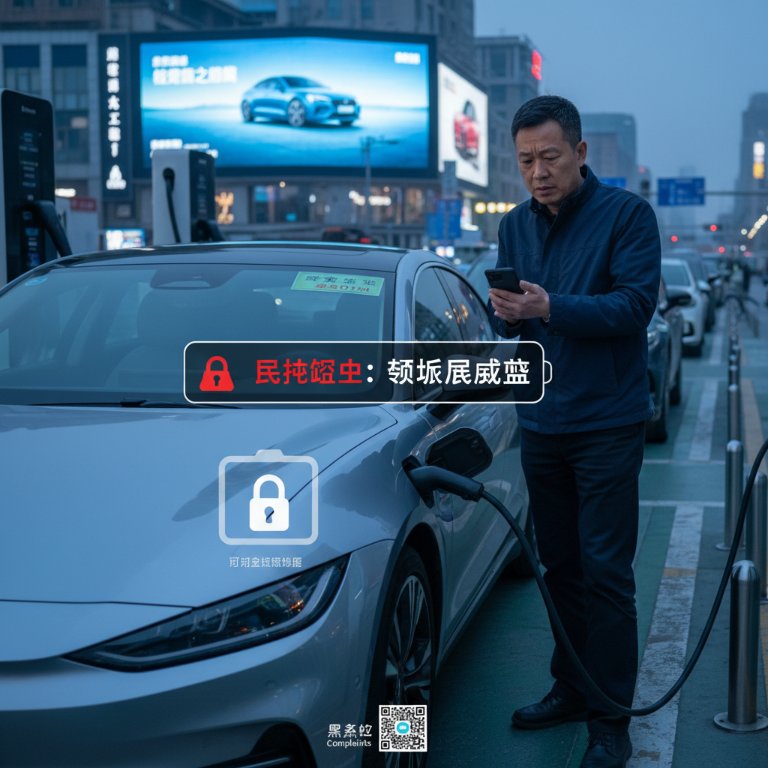
A disturbing trend is emerging from the Chinese electric vehicle market, sending shivers down the spines of EV enthusiasts and prospective buyers globally: over-the-air (OTA) software updates are reportedly leading to significant reductions in vehicle range. This phenomenon, ominously termed 'battery locking' within the industry, sees automakers quietly modifying battery management systems (BMS) to limit charging and discharge power, often without the explicit knowledge or consent of the owner.
For an industry built on the promise of innovation, convenience, and superior performance, this development represents a profound breach of trust. While manufacturers frequently tout OTA updates as a means to enhance features and optimize performance, the current wave of 'battery locking' is instead compromising the fundamental user experience, leaving owners with diminished range and performance—a direct blow to the core value proposition of their electric vehicles.
The Alarming Trend: Range Reduction Post-OTA
Reports from China highlight a growing chorus of complaints from EV owners experiencing a noticeable and unwelcome decrease in their vehicle's range shortly after receiving routine OTA software updates. This isn't a minor tweak; for many, it translates to a tangible reduction in their car's usable energy capacity. The frustration is palpable, with affected owners feeling cheated and disempowered by changes implemented remotely to their purchased asset. Platforms like Black Cat Complaints have reportedly seen a surge in grievances related to this 'battery locking' issue.
Automakers' Justification vs. Owner Experience
Automakers caught in this controversy are quick to offer explanations, typically framing these modifications as necessary for optimizing battery function, enhancing longevity, and, critically, reducing fire risks. These are, on the surface, laudable goals. Battery safety and long-term health are paramount for the EV industry's sustained growth. However, the method of implementation—altering a vehicle's core performance characteristics without transparent communication or owner choice—is proving deeply problematic. The consequence for the end-user is unequivocally a sacrificed range and performance, directly compromising the very user experience that attracted them to EVs in the first place. This stark contrast between manufacturer claims and owner reality fuels a growing sense of disillusionment.
Understanding 'Battery Locking'
At its heart, 'battery locking' involves a surreptitious adjustment to the vehicle's battery management system (BMS). The BMS is the brain of the battery, controlling everything from charge rates to discharge limits and thermal management. By issuing an OTA update that modifies these parameters, automakers can effectively reduce the total available energy or the rate at which that energy can be accessed. This can manifest as a lower reported range, slower charging speeds, or reduced acceleration, all designed to operate the battery within a more conservative, and perhaps safer, envelope. The key contentious point is the lack of explicit communication regarding these specific, performance-altering changes, making it feel less like an 'optimization' and more like a 'limitation' imposed without consent.
Why This Matters:
Erosion of Consumer Trust: This practice shatters the trust between consumers and automakers. When a purchased asset can be remotely degraded without explicit consent, it undermines the fundamental premise of vehicle ownership. Owners expect their car's performance to improve or remain consistent, not to diminish due to a clandestine software update.
Who Wins, Who Loses? Automakers might perceivably win in the short term by reducing potential warranty claims related to battery degradation or thermal incidents, and by mitigating PR risks associated with battery fires. However, they lose invaluable customer loyalty, brand reputation, and the goodwill that is essential for a nascent, high-growth market. Consumers unequivocally lose, as their investment depreciates in functionality, and their daily utility is compromised.
Regulatory Scrutiny Looms: Such non-consensual alterations to a product's performance are ripe for regulatory intervention. Governments and consumer protection agencies will likely scrutinize practices that diminish product utility post-purchase, potentially leading to new legislation mandating greater transparency and owner control over vehicle software updates.
Precedent for Control: This sets a dangerous precedent for future vehicle ownership. As cars become more software-defined, the ability of manufacturers to remotely alter key performance characteristics, or even disable features, becomes a significant concern for consumer autonomy and property rights. It highlights the urgent need for clear ethical guidelines and legal frameworks governing connected vehicles.
Impact on Resale Value: A vehicle with a known history of 'battery locking' or compromised range due to updates could suffer significantly in the secondary market, further penalizing original owners.
The 'battery locking' controversy isn't just about a few kilowatts of lost range; it's about the very nature of ownership in the digital age. It challenges the integrity of the EV promise and demands a pivot towards greater transparency and respect for the consumer.
The industry stands at a crossroads. To maintain its rapid trajectory, automakers must prioritize clear, upfront communication and offer owners genuine control over fundamental vehicle changes. Failure to do so risks alienating the very enthusiasts who are driving the electric revolution, hindering mass adoption and inviting a regulatory crackdown that no one in the industry truly desires.