Chevrolet Bolt Roars Back: GM's Strategic Play for Affordable EV Dominance
General Motors is making an undeniable statement in the electric vehicle market, confirming the highly anticipated return of the Chevrolet Bolt for th...
Editorial Team
World Of EV
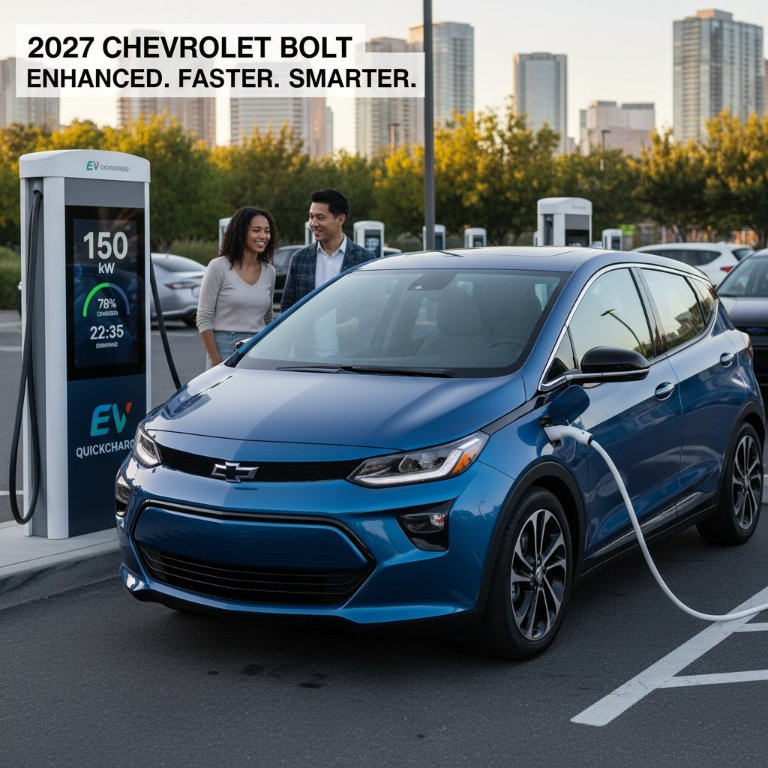
General Motors is making an undeniable statement in the electric vehicle market, confirming the highly anticipated return of the Chevrolet Bolt for the 2027 model year. This isn't just a reboot; it's a comprehensive re-engineering designed to directly address the most common pain points of EV ownership, positioning the Bolt once again as a formidable contender in the accessible EV segment.
For many EV enthusiasts and industry watchers, the discontinuation of the original Bolt EV and EUV models felt like a premature retreat, leaving a gaping void in GM's otherwise ambitious Ultium-focused electrification strategy. The original Bolt, while a pioneer in its day, eventually struggled with battery recall issues and relatively slow DC fast-charging speeds. Now, GM is not only rectifying past shortcomings but aggressively upgrading the Bolt with cutting-edge technology and a clear focus on the user experience.
Critical Upgrades Redefine the Bolt Experience
GM has integrated substantial enhancements into the 2027 Bolt, showcasing a commitment to practicality and future-proofing. These aren't incremental tweaks; they are foundational improvements that elevate the Bolt's standing significantly:
- Blazing Fast Charging Capability: The new Bolt will boast a DC fast-charging rate of 150 kilowatts. This critical upgrade slashes recharge times, allowing owners to replenish their battery from 10% to 80% in approximately 25 minutes. This is a dramatic improvement over the previous Bolt's roughly 55 kW charging, bringing it closer to the performance expected from modern EVs and significantly mitigating range anxiety on longer journeys.
- Native NACS Charging Port: Embracing industry standardization, the 2027 Bolt will feature a native North American Charging Standard (NACS) port. This move eliminates the need for adapters when accessing Tesla's vast and highly reliable Supercharger network, offering unparalleled charging infrastructure access to Bolt owners from day one. GM's early commitment to NACS is now translating into tangible benefits for its new EV lineup.
- Robust LFP Battery Technology: Powering the new Bolt is a 65-kilowatt-hour lithium iron phosphate (LFP) battery. LFP chemistry offers several compelling advantages over traditional nickel-manganese-cobalt (NMC) batteries, including superior long-term durability, enhanced thermal stability, and a lower production cost. This technology also reduces reliance on more expensive and conflict-prone rare earth materials, aligning with broader sustainability goals and potentially leading to a more competitive retail price point.
Why This Matters:
This isn't just another product launch for General Motors; it's a strategic recommitment to a crucial segment of the EV market that many believed GM had abandoned. The revival of the Bolt, armed with these significant upgrades, signals GM's intent to capture and retain the mainstream EV buyer who prioritizes affordability, practicality, and ease of ownership.
- For the Consumer: This iteration of the Bolt directly addresses the trifecta of consumer EV concerns: charging speed, charging access, and battery longevity/cost. The faster 150 kW charging, coupled with native NACS, eradicates much of the 'charging anxiety' that has plagued early EV adopters. The LFP battery, known for its robustness and cycle life, provides peace of mind regarding long-term ownership costs and battery degradation. This makes the 2027 Bolt a far more compelling and 'everyday-ready' option for the average buyer, democratizing advanced EV technology.
- For General Motors: This move is crucial for GM's overall electrification strategy. While its Ultium platform aims for premium and performance segments, the Bolt ensures GM has a strong, competitive offering at a more accessible price point. This fills a critical gap, allowing GM to compete head-on with increasingly potent affordable EVs from brands like Hyundai, Kia, and even future entry-level Teslas. It's a chance for GM to rebuild trust in the Bolt nameplate after the previous generation's battery recall issues and demonstrate its ability to innovate rapidly.
- Market Impact: The 2027 Bolt's specifications, particularly the LFP battery and NACS integration, will undoubtedly put pressure on competitors in the sub-$40,000 EV market. It solidifies LFP as a mainstream battery choice for standard-range vehicles and accelerates the industry's shift towards NACS as the dominant charging standard in North America. This strategically positions GM to regain market share in a segment vital for broader EV adoption.
The 2027 Chevrolet Bolt is more than just a returning nameplate; it's a declaration of intent from General Motors. With its aggressive upgrades in charging, battery technology, and infrastructure compatibility, the new Bolt is poised to re-establish itself as a benchmark for practical, affordable electric mobility. Its success will be a testament to GM's agility and its understanding of what mainstream EV buyers truly demand, paving the way for a more electric future.