BMW Electrifies Reliability Crown, Sets New Benchmark for Premium EVs
In a burgeoning electric vehicle market where questions of long-term dependability often loom large, a definitive leader has emerged. The 2025 annual ...
Editorial Team
World Of EV
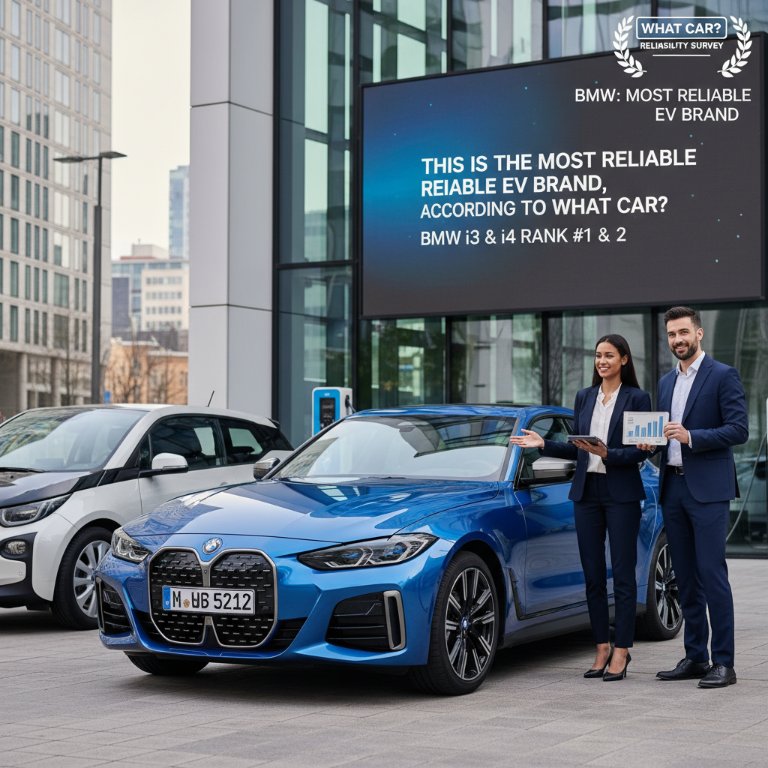
In a burgeoning electric vehicle market where questions of long-term dependability often loom large, a definitive leader has emerged. The 2025 annual reliability survey by the U.K. car-buying brand 'What Car?', conducted in association with MotorEasy, has crowned BMW the most reliable electric vehicle brand. This isn't merely a win; it's a profound statement from a legacy automaker demonstrating its engineering prowess translates seamlessly into the electric age, potentially reshaping consumer confidence and market dynamics.
BMW's achievement is particularly noteworthy given the survey's comprehensive scope, gathering data from an extensive pool of 32,493 owners over a rigorous 24-month period. The methodology scrutinized overall dependability, the frequency of common faults, and the average repair costs, offering a granular view of real-world ownership experiences.
BMW's Reliability Triumph Unpacked
The survey results clearly underscore BMW's robust approach to EV manufacturing. The Bavarian marque didn't just top the brand rankings; two of its models, the BMW i3 and i4, secured the top two positions in the individual EV reliability hierarchy. This dual victory highlights a consistent commitment to quality across different segments of BMW's electric lineup. The i3 scored an impressive 97.4% reliability rating, while the i4 followed closely with 96.8%.
The i3 and i4: Engineering Prowess Pays Off
BMW i3 (97.4% reliability score): The i3's top spot is particularly significant. As an early pioneer in the dedicated EV space, launched nearly a decade ago, its sustained reliability challenges the notion that older EV platforms are inherently less dependable. Its carbon-fibre construction and unique design were bold steps for BMW, and this survey validates that its innovative engineering stood the test of time. Interestingly, 100% of i3 owners reported no repair costs whatsoever, suggesting issues were either minor or fully covered under warranty.
BMW i4 (96.8% reliability score): The i4, a more recent and mainstream entrant, builds on the adaptable CLAR platform shared with its internal combustion counterparts. Its strong showing indicates BMW's successful strategy of integrating advanced EV technology into proven vehicle architectures, delivering a compelling blend of performance and reliability. Like the i3, 100% of i4 owners in the survey reported no repair costs. Only 16% of i4s experienced defects, primarily concerning bodywork and non-motor electronics, which BMW effectively managed.
This stands in stark contrast to some competitors. While the survey didn't explicitly name the least reliable EVs in the provided snippet, other reports from MotorEasy's broader reliability index have shown premium brands, and particularly complex EVs, can sometimes struggle with repair costs and dependability. For instance, the Renault Zoe and Vauxhall Corsa Electric have been noted for higher fault rates and longer repair times in other reliability assessments.
Why This Matters:
This comprehensive reliability endorsement from 'What Car?' and MotorEasy is a game-changer for BMW and the broader EV market:
For BMW: This solidifies BMW's position as a premium EV leader, not just in performance and luxury, but in a critical area often overlooked: long-term dependability. It validates their engineering-first approach and hybrid platform strategy, boosting brand trust and potentially swaying prospective buyers who prioritize reliability. It's a strong competitive advantage against newer EV startups that sometimes face steeper learning curves in manufacturing quality and after-sales support.
For EV Enthusiasts and Prospective Buyers: This survey offers tangible proof that electric vehicles from established manufacturers can deliver exceptional reliability. It alleviates common anxieties about EV maintenance costs and longevity, encouraging wider adoption. For those considering a premium EV, BMW now presents an even more compelling case for peace of mind.
For the Industry: BMW's success sets a new benchmark. It signals to other automakers, both legacy and newcomers, that robust engineering and quality control are paramount in the rapidly evolving EV landscape. As the EV market matures, reliability will increasingly become a key differentiator, influencing purchasing decisions as much as range or charging speed. This pushes the entire industry towards higher standards of product quality.
BMW's emphatic victory in the 2025 'What Car?' reliability survey underscores a pivotal moment for the brand and the electric vehicle sector. By marrying its renowned engineering expertise with cutting-edge electric powertrains, BMW has not only secured a significant competitive edge but has also provided a robust answer to lingering questions about EV dependability. This achievement will undoubtedly influence consumer choices and compel the industry to redouble its focus on building electric vehicles that are not just desirable, but also unquestionably reliable for years to come.