Wyoming Leads with Landmark EV Bill, Slashes Fees, and Boosts Charging Infrastructure by Ending 'Triple Taxation'
Wyoming, a state often synonymous with traditional energy, has just sent a powerful message to the electric vehicle (EV) industry and its drivers. Wit...
Editorial Team
World Of EV
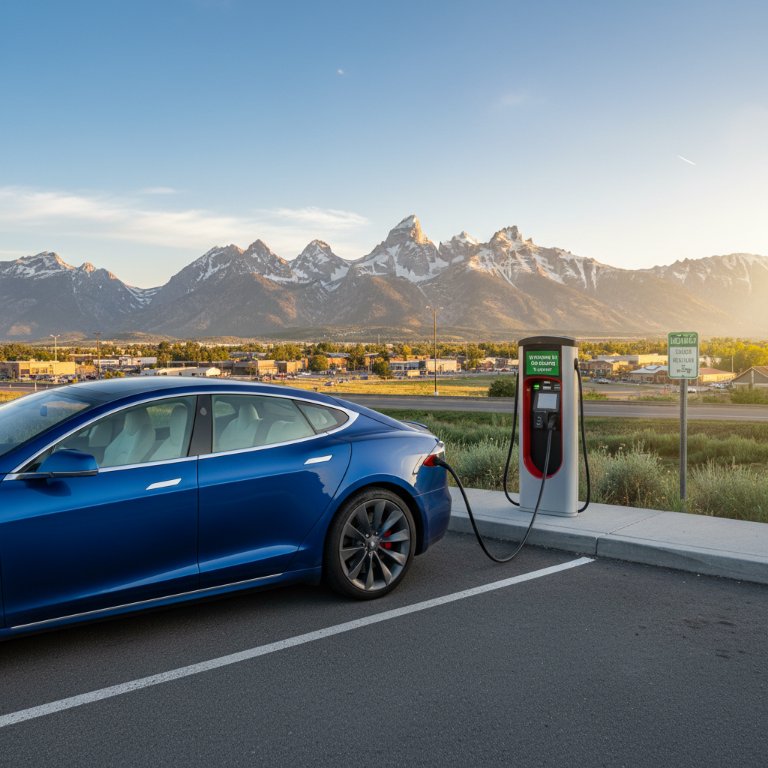
Wyoming, a state often synonymous with traditional energy, has just sent a powerful message to the electric vehicle (EV) industry and its drivers. With the passage of House Bill 0145 (HB0145), the Equality State has enacted groundbreaking legislation designed to dismantle the financial barriers hindering EV adoption, specifically targeting the contentious issue of 'triple taxation.' This move not only provides significant relief to current EV owners but also strategically positions Wyoming as a more attractive market for future electric vehicle investment and infrastructure development.
For years, EV drivers in many states, including Wyoming, have faced a unique fiscal conundrum: paying gasoline taxes embedded in fuel prices for road maintenance, sales tax on the electricity used to charge their vehicles, and often a higher annual registration fee compared to their internal combustion engine (ICE) counterparts. This 'triple taxation' has been a significant point of contention for EV advocates, arguing it unfairly burdened eco-conscious drivers and slowed the transition to sustainable transport. Wyoming's proactive legislative response directly addresses these systemic inequities, making a clear statement about the state's commitment to a fairer, more accessible EV future.
Rebalancing Road Use Fees for Fairness
At the core of HB0145's reforms are substantial adjustments to annual registration fees, aiming to create a more equitable contribution to road maintenance without penalizing EV owners. The changes are impactful:
All-Electric Vehicles: The annual registration fee for battery electric vehicles (BEVs) has been halved, dropping from a hefty $200 to a more reasonable $100.
Plug-in Hybrid Electric Vehicles (PHEVs): Recognizing PHEVs as a crucial transitional technology, the bill dramatically reduces their annual registration fee from $200 to just $50.
These adjustments reflect a pragmatic approach to ensuring all vehicles contribute to road upkeep, while simultaneously acknowledging the lower emissions and fuel independence offered by EVs. The reduction for PHEVs, in particular, demonstrates an understanding of the diverse stages of EV adoption and seeks to incentivize those making the initial leap from pure ICE vehicles.
Eliminating Sales Tax Hurdles for EV Drivers
Beyond registration fees, HB0145 tackles another critical element of the 'triple taxation' dilemma: sales tax on vehicle electricity and charging infrastructure. The new legislation makes two pivotal exemptions:
Electricity for Vehicles: Electricity used as an 'alternative fuel' for vehicles is now exempt from sales tax, directly mirroring the long-standing exemption for gasoline.
Level 2 Charger Exemption: The bill also explicitly exempts the alternative fuel tax on Level 2 chargers.
These exemptions are monumental. They level the playing field between gasoline and electricity as vehicle fuels, removing a punitive tax on EV owners that ICE drivers never faced. The Level 2 charger tax exemption is particularly strategic, removing a financial disincentive for both businesses and individuals to invest in and offer faster, more convenient charging options.
A Significant Boost for Charging Infrastructure
The exemption of alternative fuel tax on Level 2 chargers is a direct catalyst for accelerating Wyoming's EV charging network. By reducing the cost burden associated with offering and operating these chargers, the state encourages a broader deployment of charging stations across its vast landscape. This change simplifies the economics for businesses looking to install public or semi-public chargers, making it more feasible to integrate EV charging into their services. For EV enthusiasts and prospective buyers, this translates directly to increased convenience, reduced range anxiety, and ultimately, a more robust and accessible EV ecosystem throughout Wyoming.
Why This Matters:
Wyoming's HB0145 is far more than a simple fee adjustment; it’s a strategic pivot that holds significant implications for the state's economy, EV adoption rates, and potentially, national policy discourse.
Who Wins? Wyoming's EV drivers are immediate beneficiaries, realizing tangible savings and a fairer tax burden. Charging infrastructure providers and businesses are incentivized to expand, which in turn boosts the state's capacity to support EV tourism and long-distance travel. EV manufacturers also win as Wyoming becomes a more attractive market, signaling a supportive regulatory environment. This bill represents a pragmatic victory for sustainable transportation in a state historically reliant on fossil fuels.
Who Loses? Arguments against the bill might suggest a minor decrease in state revenue from previous EV fees and taxes, though the long-term economic benefits from increased EV adoption and related commerce could easily offset this. Critically, states clinging to outdated and inequitable EV taxation models now find Wyoming setting a progressive precedent.
What Does This Signal? This legislation signals a mature understanding by Wyoming lawmakers of the realities of EV ownership and the necessity of supportive policy for market growth. It demonstrates that states can, and should, adapt their tax structures to foster the energy transition, rather than hinder it. It's a clear message that pragmatic, market-friendly policies can accelerate EV adoption even in traditionally conservative regions.
Is This a 'Do-or-Die' Moment? While not a 'do-or-die' for Wyoming in the literal sense, it is a crucial 'adapt or be left behind' moment. By embracing fairer EV taxation and encouraging infrastructure, Wyoming secures its place in the future of transportation, ensuring its residents and visitors can confidently participate in the electric revolution.
Looking Ahead
Wyoming's HB0145 sets a compelling example for other states grappling with how to fairly integrate electric vehicles into their taxation and infrastructure planning. By addressing 'triple taxation' head-on and fostering an environment conducive to charging network expansion, Wyoming has not only alleviated financial strain for its EV drivers but has also laid a robust foundation for a sustainable and electrified future. This legislative success story underscores the growing bipartisan recognition of electric vehicles as an indispensable component of modern transportation and economic development.