VinFast Pivots to Dealership Model: A Pragmatic Reset for U.S. Ambitions
VinFast, the Vietnamese electric vehicle manufacturer, is making a pivotal strategic shift in the U.S. automotive market, abandoning its direct-to-con...
Editorial Team
World Of EV
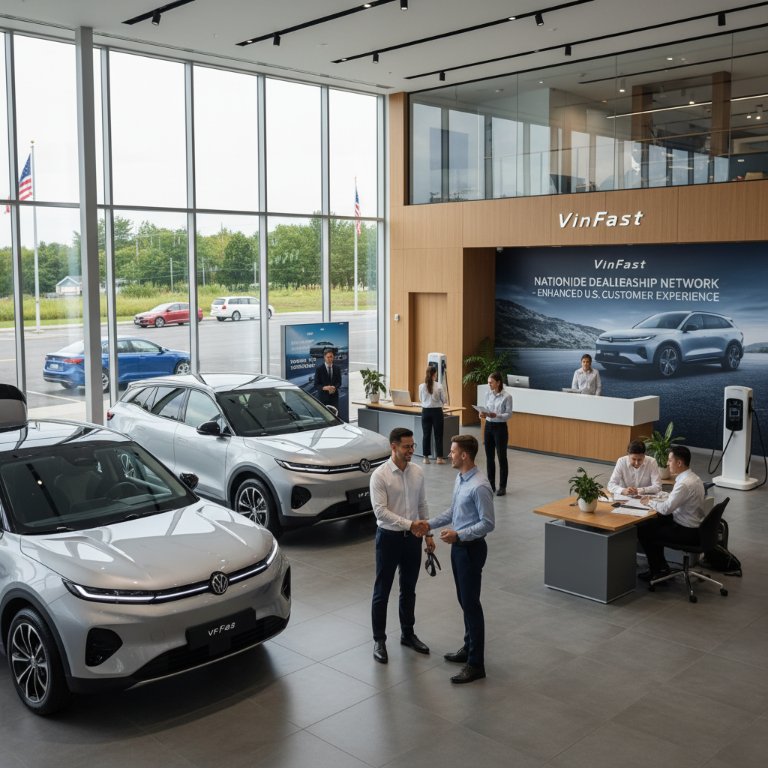
VinFast, the Vietnamese electric vehicle manufacturer, is making a pivotal strategic shift in the U.S. automotive market, abandoning its direct-to-consumer sales approach in favor of establishing a nationwide dealership network. This move signals a significant realignment for the ambitious EV newcomer, aiming to foster greater consumer trust, standardize the customer experience, and integrate more seamlessly into the established American auto retail landscape.
The Strategic U-Turn: Embracing Traditional Retail
For an EV brand that initially launched with a direct sales model — an approach famously championed by Tesla — this transition to traditional dealerships represents a pragmatic acknowledgment of the unique challenges and consumer expectations within the U.S. market. VinFast's initial foray into the U.S. was met with significant hurdles, including slower-than-anticipated sales and questions surrounding service infrastructure and brand recognition. The new strategy is designed to counteract these issues head-on.
The company's investment in a robust dealership network is not merely a tactical adjustment; it's a fundamental recalibration of its U.S. market entry. The primary objectives are clear:
- Building Trust and Familiarity: Dealerships offer a tangible local presence, allowing prospective buyers to see, touch, and test drive vehicles, directly addressing a key barrier to entry for a relatively unknown brand.
- Ensuring Consistent Customer Experience: A structured dealer network can provide standardized sales processes, reliable aftersales support, and accessible service centers, areas where direct-to-consumer startups often struggle.
- Offering Inclusive Pricing and Industry-Leading Aftersales: By aligning with established retail practices, VinFast can leverage existing infrastructure to support competitive pricing strategies and robust warranty and service programs.
Why This Matters:
This strategic pivot by VinFast is a profound development with far-reaching implications for the company, its potential customers, and the broader electric vehicle market.
For VinFast, this is arguably a 'do-or-die' moment in the U.S. Their initial direct sales model, while innovative in theory, failed to gain significant traction or build the necessary consumer confidence. The U.S. market, accustomed to the immediate gratification and comprehensive support offered by dealerships, proved resistant to a purely online purchasing experience for a new, unproven brand. By embracing dealerships, VinFast acknowledges this reality and is investing heavily in a proven model that could unlock substantial sales volume and solidify its long-term presence. Failure to execute this transition effectively, however, could spell further trouble.
For Prospective EV Buyers, this is unequivocally good news. Many consumers have been hesitant to commit to VinFast due to concerns about service accessibility, parts availability, and the general lack of a local point of contact. The establishment of a nationwide dealership network will alleviate these anxieties, providing greater peace of mind and making VinFast vehicles a more tangible and less risky proposition. This could significantly broaden the appeal of their VF 8 and VF 9 models, particularly among mainstream buyers who value traditional sales and service channels.
For the broader EV Industry, VinFast's move serves as a critical case study. It underscores the immense challenge even well-funded EV startups face in disrupting established automotive retail practices. While Tesla successfully built a direct sales model on the back of pioneering technology and a fervent fanbase, it's not a universal blueprint for success. VinFast's pivot suggests that for many new entrants, particularly those without a pre-existing cult following, the traditional dealership model remains the most effective pathway to scale and consumer trust in a highly competitive market. This may prompt other aspiring EV brands to reassess their own go-to-market strategies, reinforcing the enduring strength of the dealership paradigm.
VinFast's commitment to a dealership model represents a mature and necessary evolution of its U.S. strategy. By integrating with established retail practices, the company aims to build a more robust foundation for growth and consumer engagement. The success of this pivot will hinge on the quality of its dealer partnerships and its ability to deliver on the promises of a consistent, high-quality customer experience. The coming years will be crucial in determining whether this strategic reset propels VinFast to become a significant player in the competitive American EV landscape.