Used EV Prices Plummet: A 'Life Hack' for Mainstream Adoption as Electric Cars Outprice Gasoline Counterparts
The electric vehicle market is undergoing a seismic shift, and it’s creating an unprecedented opportunity for consumers. According to a recent analysi...
Editorial Team
World Of EV
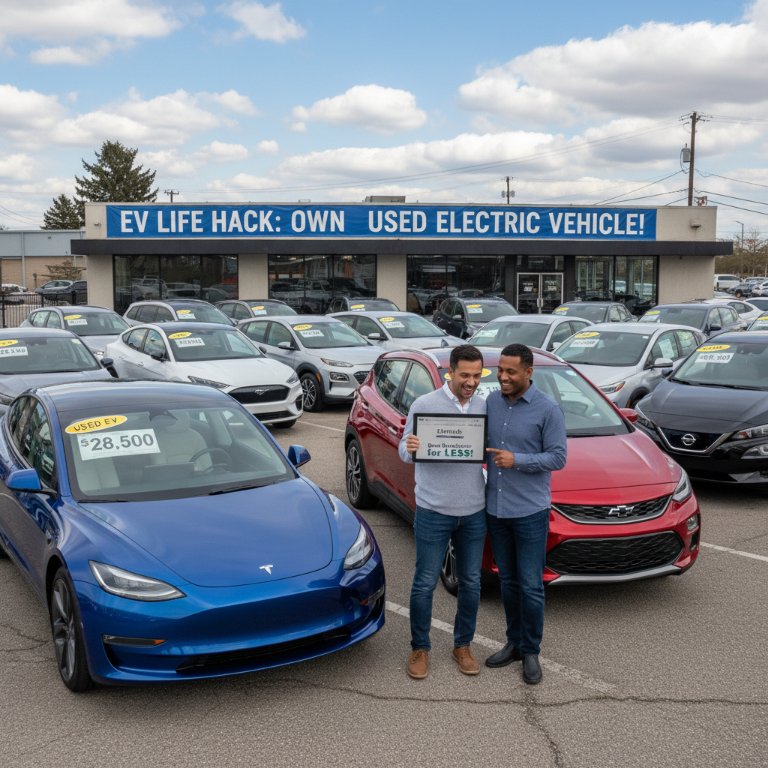
The electric vehicle market is undergoing a seismic shift, and it’s creating an unprecedented opportunity for consumers. According to a recent analysis by Edmunds, the used EV market has become a goldmine for savvy buyers, with numerous models now significantly more affordable than their traditional gasoline-powered equivalents. This isn't just a minor fluctuation; it's a practical 'life hack' that could accelerate mainstream EV adoption years ahead of schedule.
The Used EV Market's Dramatic Repricing
For years, electric vehicles, particularly newer models, commanded a premium, often retaining their value better than their ICE counterparts. Early adopters paid a premium for cutting-edge technology and environmental credentials. However, the landscape has dramatically evolved. Edmunds' deep dive reveals a stark reality: popular EV models from the 2022 to 2024 model years are now readily available on the used market at highly competitive prices. This represents a pivotal moment, as the cost of entry into EV ownership has never been lower, potentially making an electric car the more economically sensible choice over a comparable gasoline vehicle.
Why the Market is Shifting
Several confluent factors are driving this depreciation in used EV values. Firstly, the intense competition in the new EV market has led to aggressive price cuts by manufacturers like Tesla and Ford, creating a ripple effect downstream. As new EV prices drop, so too must the prices of their used equivalents to remain competitive. Secondly, battery technology and charging infrastructure are evolving at a breakneck pace. Newer models boast longer ranges, faster charging, and more sophisticated infotainment systems, making even two-year-old EVs seem less cutting-edge and accelerating their depreciation compared to the slower technological evolution of internal combustion engines. Finally, the increasing volume of new EVs entering the market means a greater supply of used vehicles as early adopters upgrade, further driving down prices through basic supply-and-demand economics.
Unlocking Accessibility for the Masses
This isn't just about saving a few dollars; it's about fundamentally altering the accessibility of sustainable transportation. Where once range anxiety and high purchase prices deterred many prospective buyers, the current used EV market directly addresses the latter, often making the total cost of ownership (TCO) – considering fuel savings and lower maintenance – even more compelling. Consumers who might have previously dismissed an EV as financially out of reach can now find modern, capable electric cars for less than a comparably equipped new or even used gasoline car, opening the door to a broader demographic of buyers.
Why This Matters:
-
Consumers Win Big: Budget-conscious buyers are the clear winners. They can now access modern EV technology, benefit from lower running costs, and contribute to environmental sustainability without paying a premium. This significantly lowers the barrier to entry for many who have been on the fence about going electric.
-
Accelerated EV Adoption: The economic argument for buying an EV has strengthened considerably, especially on the used market. This shift will undoubtedly accelerate the transition away from fossil-fuel vehicles, bringing the industry closer to ambitious electrification targets.
-
Pressure on New Car Pricing: The downward pressure on used EV prices will inevitably force new EV manufacturers to continue innovating and pricing their vehicles even more competitively. This signals a maturing market where value, not just novelty, will drive purchasing decisions.
-
Increased Scrutiny on Residual Values: Early EV adopters, who may have paid top dollar, will face steeper depreciation than anticipated. This will put greater emphasis on manufacturers to manage resale values through competitive new pricing and robust certified pre-owned programs.
-
ICE Vehicles Face New Competition: When a modern used EV becomes cheaper to buy and run than a gasoline car, it directly challenges the perceived affordability advantage of traditional vehicles. This could further erode the market share of internal combustion engines in the coming years.
The current state of the used EV market is more than just a momentary trend; it's a powerful indicator of the electric revolution's growing momentum. For those contemplating the switch to electric, the time to buy a used EV has never been better, offering an undeniable economic advantage. This pivotal moment underscores a future where EV ownership is not just environmentally responsible but financially astute, cementing electric vehicles as a mainstream reality for a vast new segment of buyers.