Unpacking EV Maintenance: Lower Costs, Longer Life, and a Changing Automotive Landscape
For too long, the narrative around electric vehicles (EVs) has been dominated by range anxiety and charging infrastructure. Yet, a crucial, often misu...
Editorial Team
World Of EV
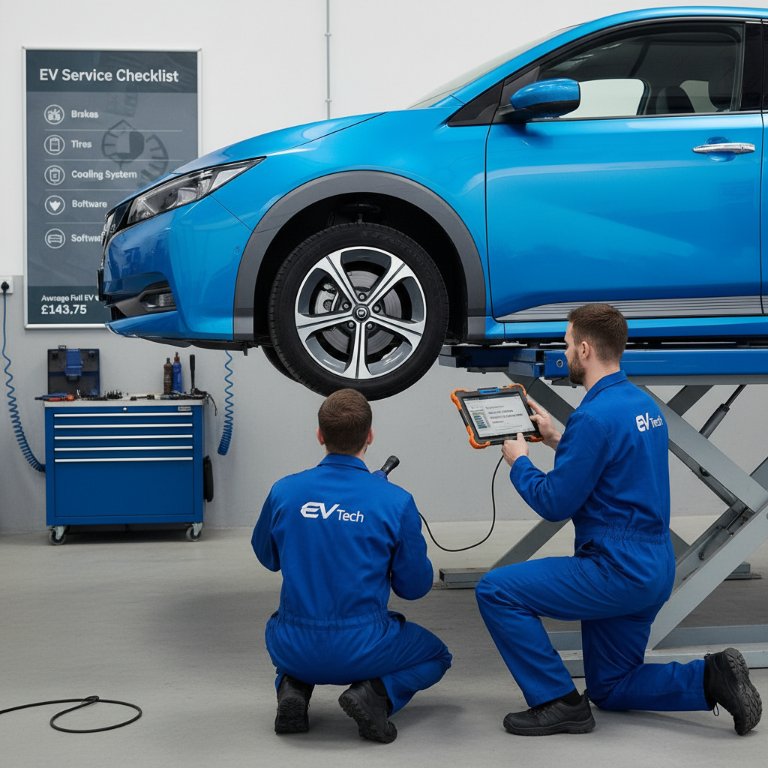
For too long, the narrative around electric vehicles (EVs) has been dominated by range anxiety and charging infrastructure. Yet, a crucial, often misunderstood aspect of EV ownership is emerging as a significant advantage: maintenance. Far from being entirely maintenance-free, EVs are proving to be significantly more economical and straightforward to service than their internal combustion engine (ICE) counterparts, a fact that fundamentally shifts the total cost of ownership equation for prospective buyers and savvy enthusiasts.
While the allure of fewer moving parts suggests a 'set-it-and-forget-it' approach, the reality is that electric cars still require regular attention. Manufacturers generally recommend servicing an EV annually or every 10,000 to 20,000 miles, with specific intervals detailed in each vehicle's owner's handbook. This proactive care isn't a drawback; it's a testament to ensuring the longevity, safety, and peak performance of these sophisticated machines.
The Essentials of EV Servicing
The notion that an EV never sees a service bay is a common misconception. While complex engine overhauls and oil changes become relics of the past, essential components still demand vigilant inspection and upkeep. Regular servicing for electric vehicles typically focuses on:
- Braking System Health: Regenerative braking significantly reduces wear on physical brake pads and discs, but they still require checks for corrosion, fluid levels, and overall function to ensure optimal stopping power.
- Tire Condition and Rotation: Given the instant torque and often heavier battery packs, tire wear can be a critical factor. Regular inspection, rotation, and balancing are paramount for safety, efficiency, and extending tire life.
- Battery Health Monitoring: Technicians monitor the high-voltage battery system, ensuring its cooling system is functioning optimally and checking for any software updates that can enhance performance, range, and longevity. This is crucial for protecting an EV’s most expensive component.
- Cooling System Integrity: While not cooling an engine, EVs have sophisticated thermal management systems for their batteries and power electronics. These systems require regular checks to prevent overheating and ensure efficient operation.
- Software Updates and Diagnostics: Much like a modern smartphone, an EV's performance and features are heavily reliant on its software. Servicing often includes applying the latest manufacturer updates, optimizing everything from charging protocols to infotainment, and running diagnostics to catch minor issues before they escalate.
The Cost Advantage: A Clear Win for EV Owners
Perhaps the most compelling argument for EV ownership, beyond fuel savings, lies in the reduced cost of maintenance. On average, a full EV service costs approximately £143.75, a noticeable saving compared to the £174.23 typically required for a petrol or diesel vehicle. This isn't a marginal difference; it represents a significant ongoing saving that accumulates over the vehicle's lifespan. The absence of complex exhaust systems, spark plugs, timing belts, and the constant need for oil changes drastically simplifies the service process and reduces parts and labor costs.
Furthermore, regular maintenance plays a direct role in improving and protecting an EV's battery life. By ensuring optimal operating conditions and applying the latest software enhancements, owners can actively contribute to the longevity and performance of their vehicle's most vital component, further safeguarding their investment.
Why This Matters:
This robust data on EV maintenance is a critical piece in the puzzle for mass EV adoption. For prospective buyers, the reduced servicing costs directly translate into a lower Total Cost of Ownership (TCO), making the financial proposition of switching to electric even more compelling. It addresses and disarms the persistent, though often unfounded, fears around long-term EV running costs. This isn't just about saving a few pounds; it's about solidifying the economic case for electrification.
From an industry perspective, this signals a continued shift in the automotive aftermarket. Dealerships and independent garages must rapidly adapt, investing in specialized training for high-voltage systems and diagnostic tools. The 'winners' in this evolving landscape will be the service providers who embrace this transition, offering transparent and efficient EV maintenance. Conversely, those clinging to traditional ICE service models risk obsolescence. This trend also reinforces that manufacturers are designing EVs for simpler, more predictable maintenance, boosting consumer confidence and further accelerating the market's transition.
Ultimately, the emerging reality of EV maintenance isn't about a lack of servicing, but rather a smarter, more cost-effective approach to vehicle care. It’s a significant advantage that makes electric cars not just an environmental choice, but a financially astute one, promising a future of simpler, cheaper, and more predictable vehicle ownership for everyone.