UK's Looming EV Road Tax Threatens 'Two-Tier' Ownership Experience for Drivers
From 2026, the economic landscape for electric vehicle ownership in the UK is set to undergo a significant transformation. A new road usage charge, es...
Editorial Team
World Of EV
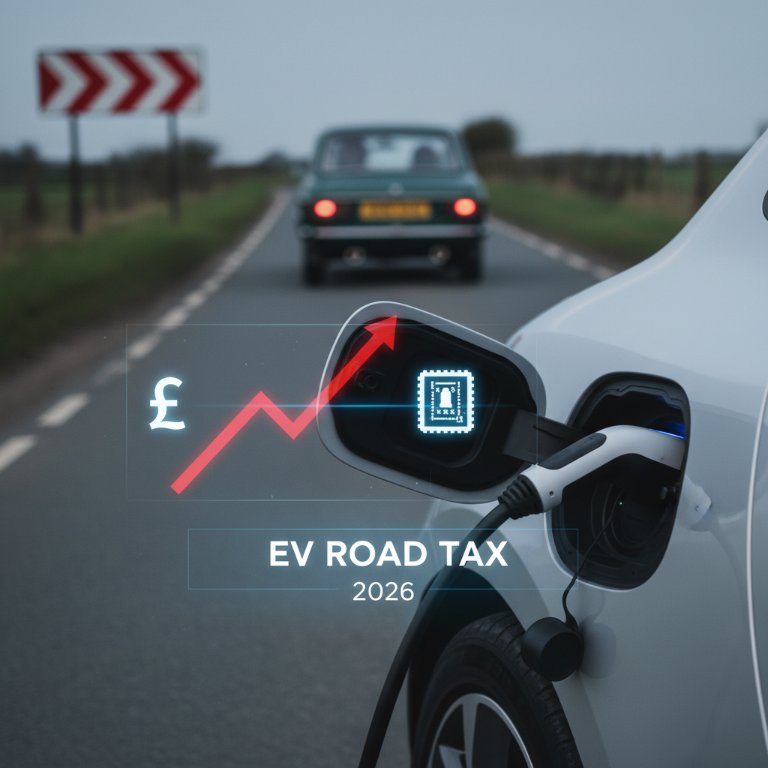
From 2026, the economic landscape for electric vehicle ownership in the UK is set to undergo a significant transformation. A new road usage charge, estimated at approximately 3 pence per mile, will be levied on EV drivers, potentially adding around £250 annually to running costs by 2028. This move marks a pivotal shift from the existing tax-free incentives, signalling a maturing EV market but simultaneously introducing a complex new layer of consideration for current and prospective owners.
The End of the Free Ride: New Costs Emerge
The introduction of a mileage-based levy in 2026 is designed to replace the revenue traditionally generated by fuel excise duties, which EVs, by their very nature, bypass. While the 3 pence per mile might seem modest on paper, accumulating to an estimated £250 per year by 2028, it represents a direct financial impact where none existed before. This change comes as the UK government seeks sustainable long-term funding for road maintenance and infrastructure in an increasingly electrified transport future.
Home Charging: The Great Divide
The new regulation starkly highlights an existing, yet often understated, divide within the EV community: the pronounced cost advantage for those with access to home or workplace charging. For these drivers, who can leverage cheaper off-peak electricity tariffs, the overall running costs of an EV will undoubtedly remain significantly lower than comparable petrol or diesel vehicles, even with the new mileage charge. This continues to be the 'golden ticket' to maximizing EV affordability.
The Public Charging Predicament: A 'Two-Tier System'
However, for the substantial and growing segment of EV drivers reliant on public charging infrastructure, the introduction of this mileage-based tax is poised to exacerbate an already challenging situation. Experts are warning of the potential emergence of a 'two-tier system,' where drivers without home charging facilities will face a double burden. Not only do they contend with generally higher per-kWh electricity prices at public charge points compared to domestic rates, but they will now also disproportionately bear the impact of this new mileage tax. This combination threatens to sour the overall ownership experience for many, potentially slowing the pace of EV adoption, especially among those in urban areas or without off-street parking.
Why This Matters:
This policy shift is more than just a new tax; it’s a critical inflection point for the UK’s EV transition. For years, the absence of traditional road taxes has been a key incentive, driving impressive growth in EV adoption. The introduction of these charges, while perhaps inevitable, risks alienating a crucial demographic of potential EV buyers – those living in apartments or terraced houses without dedicated charging access. These are often the same individuals who could benefit most from cleaner transport but are now faced with a less appealing economic proposition. The 'winners' in this scenario are predominantly homeowners with driveway access and dedicated charging, who will continue to enjoy considerable savings. The 'losers' are likely urban dwellers, those with limited income, and potentially the broader push for equitable EV adoption. This move signals a maturing market where the initial 'honeymoon period' of incentives is transitioning into a more revenue-focused taxation model, putting immense pressure on charge point operators and policymakers alike to ensure public charging remains genuinely accessible and affordable to prevent a significant slowdown in momentum towards net-zero targets. It's a clear call for innovation in public charging pricing and accessibility to mitigate the looming disparity.
Looking ahead, the success of the UK’s EV transition hinges not just on vehicle availability, but on ensuring the economic benefits of electric driving are accessible to all. Policy makers and industry stakeholders must urgently address the potential disparities created by these new costs, particularly for those reliant on public charging, to prevent a fragmentation of the EV market and ensure a truly inclusive electric future.