UK's £20k-£30k EV Revolution: Affordable Electric Cars Hit Their Stride in 2026
For years, the promise of affordable, practical electric vehicles felt like a distant dream, often overshadowed by premium offerings or compromised en...
Editorial Team
World Of EV
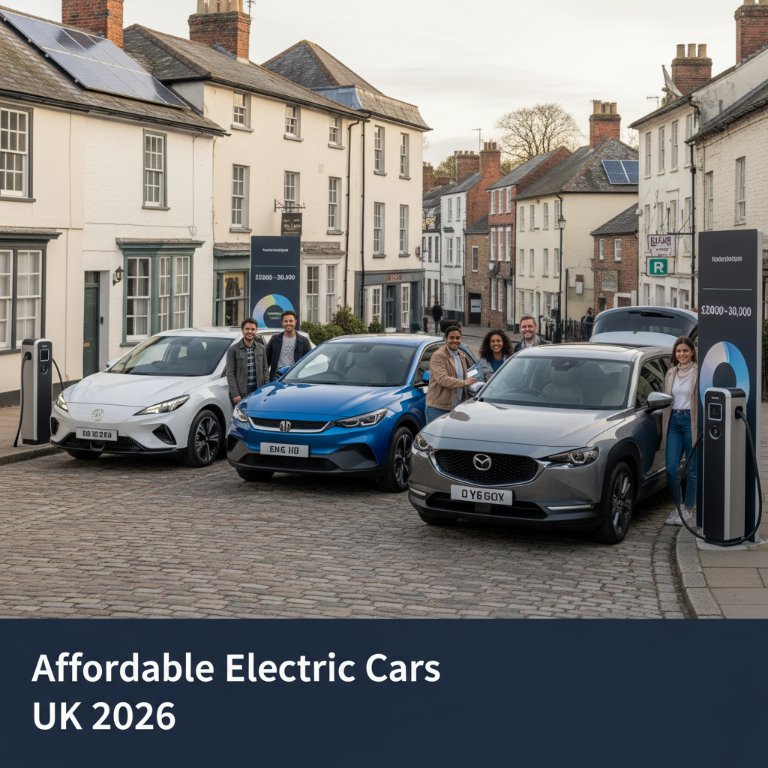
For years, the promise of affordable, practical electric vehicles felt like a distant dream, often overshadowed by premium offerings or compromised entry-level models. In 2026, however, the UK market is witnessing a seismic shift, as a new wave of electric cars priced between £20,000 and £30,000 decisively ends the era of compromise. This crucial segment is not merely offering cheaper EVs; it is delivering genuinely capable vehicles that finally make electric ownership a viable, attractive proposition for the mainstream.
The Era of No-Compromise Affordability Arrives
The market’s maturation means that affordability no longer equates to sacrificing core automotive necessities. These latest contenders are engineered from the ground up to meet the real-world demands of daily commuters and growing families, fundamentally altering the perception of entry-level EVs. Buyers in 2026 can expect a comprehensive package that addresses previous barriers to adoption head-on.
Real-world Range Confidence: Gone are the days of 'range anxiety' dictating ownership. These vehicles provide practical ranges that easily cover typical daily commutes and even longer family trips, often exceeding 200 miles on a single charge. This significant improvement is a direct response to consumer feedback and technological advancements in battery efficiency.
Cutting-Edge Infotainment & Safety: Modern buyers demand connectivity and safety, and this new breed of affordable EVs delivers. They come equipped with intuitive infotainment systems, often featuring large touchscreens, smartphone integration, and advanced driver-assistance systems (ADAS) as standard, enhancing both convenience and peace of mind.
Unbeatable Running Costs: Beyond the purchase price, the financial benefits extend to ownership. Drivers enjoy significantly lower 'fuel' costs compared to petrol or diesel equivalents, especially when charging at home. Furthermore, simplified electric powertrains translate to substantially reduced servicing costs, reinforcing the overall value proposition.
Key Players Driving the Charge
Several models are leading this charge, each bringing distinct advantages to the competitive £20,000-£30,000 segment. These manufacturers understand that appealing to the mass market requires more than just a low price tag; it demands genuine utility and desirability.
MG4 EV: The Range & Equipment Benchmark: The MG4 EV continues to impress with its aggressive pricing and exceptional value. It consistently delivers an excellent real-world range, making it a highly practical choice for many. Its comprehensive list of standard equipment further solidifies its position as a top contender, offering features typically found in more expensive vehicles. This model underscores MG's aggressive strategy to capture significant market share with high-quality, accessible EVs.
BYD Atto 3: Spaciousness Meets Modern Tech: BYD, a rapidly ascending global EV powerhouse, makes a compelling case with the Atto 3. Its spacious cabin provides superb comfort for families, while its feature-rich interior showcases the brand’s commitment to modern technology and user experience. The Atto 3 directly challenges established compact SUVs with a compelling blend of practicality and innovation.
Mazda MX-30 EV: Style and Refinement for the Urbanite: Mazda’s entry, the MX-30 EV, offers a distinctly different proposition. While previous iterations of the MX-30 faced criticism for their limited range, particularly in comparison to rivals, the 2026 model, or at least the segment it now occupies, emphasizes its unique selling points: distinctive styling and a beautifully refined interior. For urban dwellers or those requiring a stylish second car, its premium feel and engaging driving dynamics remain attractive, provided range anxieties are managed within its specific niche. This demonstrates Mazda's commitment to unique design, even if it means catering to a more specific buyer persona.
Why This Matters:
This robust emergence of truly affordable and capable EVs in the £20,000-£30,000 bracket is nothing short of a watershed moment for the automotive industry and society at large. It fundamentally shifts the EV narrative from a niche, premium product to a mainstream, economically sensible choice.
Who Wins? Consumers, unequivocally. They gain access to cutting-edge technology, drastically reduced running costs, and a cleaner driving experience without breaking the bank. New entrants like MG and BYD are clear winners, leveraging aggressive pricing and strong product offerings to rapidly gain market share. This also signals a win for national grids, which will see increased demand and a push for improved charging infrastructure, and for environmental initiatives as adoption accelerates.
Who Loses? Legacy automakers who are slow to adapt their production lines and pricing strategies for this crucial segment risk being left behind. Their reliance on higher-margin, more expensive EVs will be challenged by the sheer volume and value offered by these new contenders. Furthermore, the second-hand market for internal combustion engine (ICE) vehicles will face increasing pressure as new EV ownership becomes more accessible and appealing, accelerating the decline of fossil fuel-powered cars.
What Does This Signal? This signals the true arrival of the 'mass market EV.' The industry is moving past early adopters and luxury buyers, indicating that electric mobility is now a practical, everyday reality. It will undoubtedly intensify competition, forcing manufacturers across the board to innovate further on cost, efficiency, and features. Expect to see further price compression and an even wider array of choices in the years to come, as automakers vie for dominance in this burgeoning segment. This is a do-or-die moment for any manufacturer hoping to remain relevant in the evolving automotive landscape.
The year 2026 marks a pivotal point where affordable electric cars are no longer a compromise but a compelling, value-driven choice for the average UK consumer. With practical ranges, modern features, and significantly lower running costs, these vehicles are set to accelerate the transition to electric mobility on an unprecedented scale. The future of driving, finally, is here and accessible.