UK Drivers: EVs Decisively Win the Cost Battle in 2026, Even as Fuel Prices Soar
The long-standing debate over the true cost of electric vehicle ownership versus traditional internal combustion engine (ICE) cars has, in 2026, reach...
Editorial Team
World Of EV
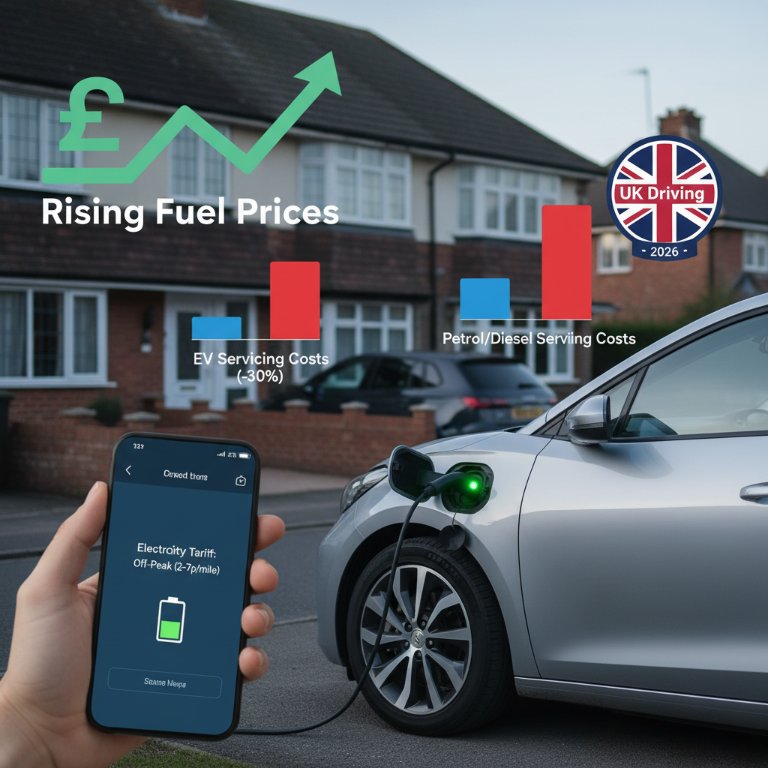
The long-standing debate over the true cost of electric vehicle ownership versus traditional internal combustion engine (ICE) cars has, in 2026, reached a definitive conclusion in the UK. Our analysis at World Of EV confirms that electric cars are now unequivocally cheaper to run, solidifying their financial advantage even amidst escalating global fuel prices driven by geopolitical instability. This isn't merely a marginal win; it's a pronounced shift that reshapes the economic landscape for motorists across the nation.
For years, prospective EV buyers weighed the higher upfront cost against theoretical long-term savings. Now, with the dramatic rise in petrol and diesel prices, those theoretical savings have become a stark, undeniable reality, positioning EVs as the financially prudent choice for a vast majority of drivers.
Home Charging: The Unbeatable Daily Deal
The cornerstone of EV's cost supremacy lies in home charging, particularly for those leveraging off-peak electricity tariffs. Drivers can expect to pay approximately 2p to 7p per mile to power their electric vehicles. This is a staggering contrast to the 12p to 20p per mile incurred by average petrol and diesel cars. For the millions of Britons with off-street parking and access to smart tariffs, the daily commute, weekend trips, and family errands translate into substantial, tangible savings that traditional vehicles simply cannot match. This fundamental difference in 'fuelling' costs represents the single largest factor in the EV's compelling economic argument.
Beyond Fuel: Significant Savings on Maintenance
The financial benefits of EV ownership extend far beyond the charging point. Electric vehicles typically incur around 30% lower servicing costs than their petrol counterparts. This significant reduction stems from the inherent simplicity of an EV powertrain. They eliminate the need for regular oil changes, a fundamental and recurring expense for ICE vehicles. Furthermore, regenerative braking, a core feature of EVs, significantly reduces wear and tear on conventional brake pads, extending their lifespan and further cutting maintenance costs. These less obvious, yet substantial, savings contribute significantly to the overall lower cost of ownership.
Navigating the Public Charging Landscape
While the home charging advantage is clear, it's crucial for prospective buyers to understand the nuances of the wider charging ecosystem. Public rapid charging, while convenient for longer journeys or those without home charging access, can be more expensive and prices vary considerably. This remains an area where infrastructure development and pricing standardization are critical for truly democratizing EV ownership and ensuring parity across all charging scenarios. However, for the majority of drivers who primarily charge at home, this variability in public charging costs does not negate the overall financial benefits.
Why This Matters:
This decisive cost advantage for EVs in 2026 signals a critical inflection point for the UK automotive market and its consumers. Who wins? Primarily, EV owners, who are seeing immediate and substantial savings, directly offsetting the impact of rising global energy prices. The environment also wins through accelerated decarbonization of transport. Furthermore, the UK's long-term energy security stands to benefit from reduced reliance on volatile fossil fuel markets. Who loses? The traditional fossil fuel industry faces an undeniable decline in demand. Legacy automakers who have been slow to electrify their lineups, or whose EV offerings still struggle with price parity or efficiency, risk losing significant market share. Motorists without consistent access to home charging or off-peak tariffs might also find the cost benefits less pronounced, highlighting an ongoing equity challenge in EV adoption. This cost differential serves as a powerful market signal: the financial case for internal combustion engines is rapidly deteriorating. For any automaker still heavily invested in ICE technology, this isn't just another trend; it's a do-or-die moment. Failure to pivot rapidly and deliver compelling, cost-effective EVs will inevitably lead to an irreversible decline in market relevance.
In conclusion, 2026 firmly establishes electric vehicles as the financially superior choice for UK drivers. The combination of significantly lower 'fuel' costs through home charging and reduced maintenance expenses presents an irrefutable economic argument. While challenges in public charging infrastructure and pricing persist, the overarching message is clear: the future of affordable motoring is electric, and the market is responding with increasing urgency.