UAE EV Market Accelerates: Shory, EVS, Fidelity United Tackle Chinese EV Insurance Hurdle
The burgeoning Electric Vehicle (EV) market in the UAE, particularly the rapid influx of Chinese brands, has long faced a significant bottleneck: spec...
Editorial Team
World Of EV
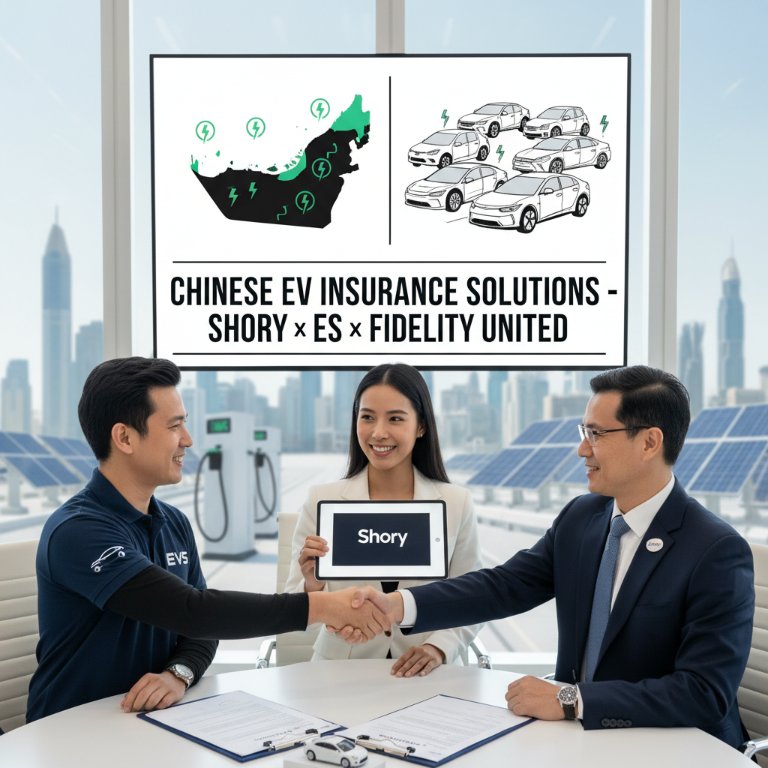
The burgeoning Electric Vehicle (EV) market in the UAE, particularly the rapid influx of Chinese brands, has long faced a significant bottleneck: specialized insurance and reliable repair networks. Today, a new strategic partnership is poised to dismantle these barriers, marking a crucial step towards mainstream EV adoption in the region. AI insurtech firm Shory, in collaboration with Electric Vehicle Services (EVS) and Fidelity United Insurance Company, has launched a comprehensive solution designed specifically for Chinese electric vehicles in the Emirates.
This isn't just another corporate announcement; it's a direct attack on one of the most persistent pain points for EV ownership globally. While governments and manufacturers push for electrification, the insurance sector has often lagged, hesitant to underwrite new technology with potentially higher repair costs and a scarcity of qualified technicians. For the UAE, a market increasingly embracing cost-effective and technologically advanced Chinese EVs, this partnership could be the catalyst that unlocks broader consumer confidence and accelerates the transition to electric mobility.
The EV Insurance Conundrum: A Global Challenge
Electric vehicles, despite their environmental benefits and cutting-edge technology, present unique challenges for traditional insurance models. Repairing an EV often requires specialized tools, diagnostic equipment, and highly trained technicians capable of safely handling high-voltage systems and complex battery architectures. This specialization drives up repair costs, which in turn leads to higher premiums or, in some cases, outright reluctance from insurers to cover certain EV models. Owners frequently grapple with limited options, restrictive policies, and the fear of being left without adequate support in the event of an accident. This issue is particularly acute for newer brands entering established markets, as their after-sales support networks may still be nascent.
Chinese EVs Reshape the UAE Landscape
Over the past few years, Chinese EV manufacturers like BYD, Nio, Xpeng, and even established brands like MG and Geely, have made significant inroads into the UAE market. They offer compelling alternatives to legacy automakers, combining competitive pricing with impressive technology and range. However, this rapid market penetration has exposed existing infrastructure gaps, especially concerning specialized servicing and insurance. Prospective buyers, despite being drawn to the innovation, have often hesitated due to concerns over long-term ownership costs and the availability of qualified repair facilities for their specific models. This partnership directly addresses these fears.
A Three-Pronged Solution for Enhanced Ownership
The collaboration between Shory, EVS, and Fidelity United creates a robust ecosystem to support Chinese EV owners. Each partner brings a critical component to the table:
Shory (AI Insurtech): Leverages artificial intelligence to streamline the insurance process, potentially offering more competitive premiums and easier access to policies tailored for Chinese EVs. Its platform aims to simplify what has often been a complex and opaque process for EV owners.
Electric Vehicle Services (EVS): Provides crucial certified repair capabilities for specific Chinese EV models. This is a game-changer, ensuring that vehicles are repaired by technicians with the necessary training, specialized equipment, and genuine parts, maintaining vehicle integrity and safety. This certification is vital for building trust.
Fidelity United Insurance Company: Acts as the underwriting partner, bringing established financial backing and regulatory compliance to the specialized policies. Their commitment demonstrates a growing confidence in the long-term viability and insurability of modern EVs.
This integrated approach offers several key benefits for Chinese EV owners in the UAE:
Improved access to comprehensive and specialized insurance solutions.
The potential for more affordable and transparent premium structures.
Guaranteed access to EVS' certified repair network, ensuring quality and expertise.
Significantly enhanced customer confidence and a smoother overall ownership experience.
Why This Matters:
This strategic alliance is far more than a simple business deal; it's a critical inflection point for the UAE's EV market and potentially a blueprint for other regions. For years, the absence of a cohesive support system for EV insurance and repairs has been a quiet but potent deterrent for many prospective buyers, particularly those considering the rapidly expanding portfolio of Chinese brands. This partnership directly addresses that void.
Who wins? Primarily, Chinese EV owners in the UAE. They gain peace of mind, access to crucial services, and potentially lower overall ownership costs. The partnering companies also win, positioning themselves at the forefront of a rapidly evolving market. Moreover, the broader UAE EV ecosystem stands to benefit as this initiative could drive increased adoption and foster greater competition among service providers. This partnership legitimizes the investment in Chinese EV brands for the discerning buyer.
Who loses? Insurers and repair facilities clinging to outdated models that ignore the specialized needs of EVs risk being left behind. This move signals that the market is adapting, and those unwilling to invest in EV-specific training and infrastructure will find themselves at a disadvantage.
What does this signal? It unequivocally signals the maturing of the EV market in the UAE. It's an acknowledgement that for mass adoption to occur, the entire ecosystem – from sales and charging to insurance and repairs – must evolve in tandem. This proactive approach to resolving a significant pain point for Chinese EV owners paves the way for greater trust, broader market acceptance, and ultimately, a faster transition to sustainable transportation.
This collaboration sets a vital precedent, demonstrating how key industry players can innovate to overcome infrastructural challenges and support the electrification revolution. It's a proactive step that will undoubtedly strengthen the appeal of Chinese EVs in the UAE and serve as a model for how the insurance and repair sectors can effectively integrate into the future of mobility.