Toyota's bZ Woodland Roars to Life: A Potent Off-Road-Lite EV Redefines Toyota's Electric Future
After a somewhat reserved initial foray into the dedicated electric vehicle market with the bZ4X, Toyota is making a definitive statement with the 202...
Editorial Team
World Of EV
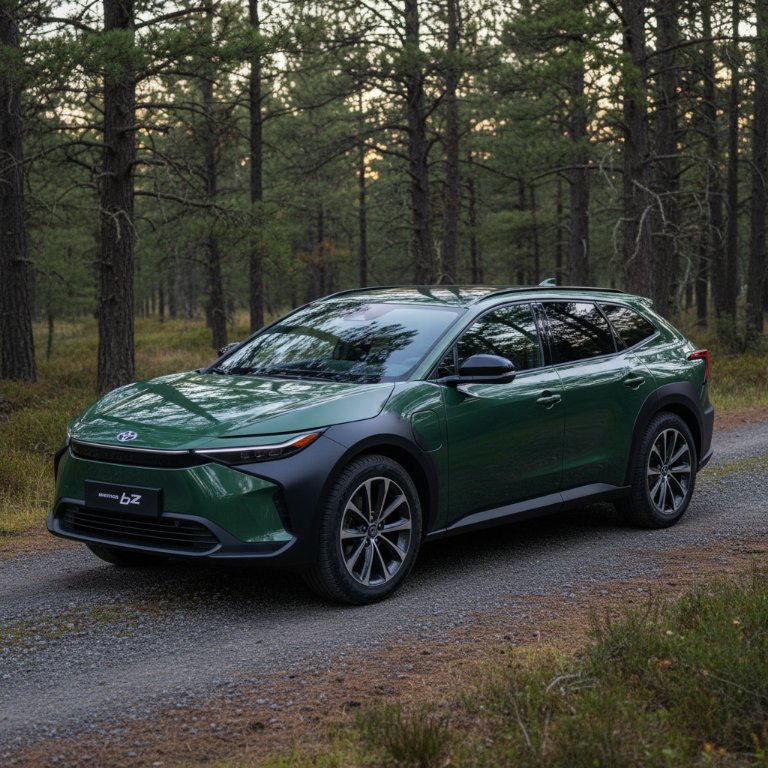
After a somewhat reserved initial foray into the dedicated electric vehicle market with the bZ4X, Toyota is making a definitive statement with the 2026 bZ Woodland. This genre-bending crossover, with its distinct wagon-like silhouette and rugged aspirations, is poised to reshape perceptions of Toyota's electric capabilities, delivering a compelling blend of power, practicality, and adventurous spirit.
This isn't merely an incremental update; it's a strategic evolution that demonstrates Toyota is listening intently to market demands and pushing its EV development forward. The bZ Woodland builds on the foundational bZ platform but injects a much-needed dose of performance and utility, setting a new benchmark for the brand's immediate electric future.
A Powertrain That Finally Delivers
The most significant leap for the bZ Woodland comes under the hood—or rather, beneath the floor. Toyota has equipped this new model with a potent 375-horsepower powertrain, a dramatic increase that catapults the bZ Woodland from 0-60 mph in a swift 4.4 seconds. This acceleration figure isn't just impressive on its own; it's nearly two seconds quicker than the bZ4X, directly addressing one of the core criticisms leveled against its smaller sibling regarding performance. This power upgrade signals a clear shift in Toyota's EV philosophy, acknowledging that efficiency alone isn't enough to capture a discerning EV market.
Rugged Capability Meets Refined Comfort
The 2026 bZ Woodland embraces a unique aesthetic, blending a wagon-like form factor with the practicality of a crossover, accentuated by rugged plastic cladding and an increased ground clearance. With 8.4 inches of ground clearance, standard all-wheel drive, and X-MODE with Grip Control, the bZ Woodland is engineered to tackle more than just paved roads, proving capable on light off-road excursions. This nod to Toyota's renowned SUV heritage, such as the 4Runner and Tacoma, positions the bZ Woodland as an intriguing option for those seeking an electric vehicle that doesn't shy away from adventure. Despite its rugged exterior, reviewers consistently highlight the bZ Woodland’s smooth and comfortable ride, thanks to a softer suspension setup, though some body roll is noted during enthusiastic cornering. An estimated range of up to 280 miles, coupled with a competitive starting price of $46,750 (including destination), makes it a compelling package for a wide array of buyers.
Interior Innovation and Practicality
Inside, the bZ Woodland prioritizes user experience and comfort. The spacious interior boasts an easy-to-use infotainment system that wisely retains physical controls for essential functions like temperature and volume – a welcome feature for many drivers who prefer tactile feedback over endless screen menus. Toyota has also packed the bZ Woodland with an impressive array of standard features, ensuring a premium experience across the board:
- Dual wireless charging pads
- Heated front and outboard rear seats
- Heated steering wheel
- Dual-zone automatic climate control
- Eight-way power-adjustable front seats
Why This Matters:
The 2026 Toyota bZ Woodland is more than just another electric vehicle; it represents a pivotal moment for Toyota's broader electrification strategy. It’s a powerful redemption narrative for a brand that, despite its hybrid dominance, faced an uphill battle establishing credibility in the pure EV space with the bZ4X. The bZ Woodland's significant performance increase, distinctive rugged styling, and enhanced practicality directly address the shortcomings of its predecessor and signal a more assertive approach to the EV market.
This vehicle positions Toyota to win over a segment of consumers who appreciate Subaru Outback’s versatility or Audi Allroad’s refined ruggedness but are ready to transition to electric. By offering a compelling blend of wagon-like utility, light off-road capability, and brisk acceleration, Toyota is carving out a unique niche that many competitors have yet to fully explore in the EV space. It demonstrates that Toyota is not just playing catch-up but actively innovating to meet diverse consumer needs.
The bZ Woodland also sends a clear signal to the market: Toyota is serious about scaling up its EV offerings, not just in volume but in variety and capability. Its designation as Toyota's largest EV until the new Highlander arrives hints at a future electric portfolio that will span multiple segments, leveraging Toyota's reputation for reliability and quality. For savvy EV enthusiasts and prospective buyers, this means more robust and exciting options are on the horizon from a major player who initially treaded carefully.
In essence, the bZ Woodland could be a 'do-or-die' moment for Toyota's immediate EV image, and by all accounts, they’ve delivered a compelling answer. It's a statement piece that finally aligns Toyota's EV ambitions with its engineering prowess, moving beyond mere compliance to genuine market desirability.
The 2026 Toyota bZ Woodland marks a critical turning point for the Japanese automaker's electric future. By combining robust performance, practical ruggedness, and a well-appointed interior, it moves beyond the foundational bZ4X to present a truly appealing and competitive EV option. This vehicle is a strong indicator of Toyota's evolving commitment to electrification and sets a promising precedent for its upcoming EV lineup, particularly as it paves the way for larger electric offerings like the Highlander EV.