Toyota's 2026 bZ: A Better EV, But One Critical Flaw Still Mars its Future
Toyota, a titan of the automotive world and a pioneer in hybrid technology, has faced an uphill battle in the dedicated battery-electric vehicle (BEV)...
Editorial Team
World Of EV
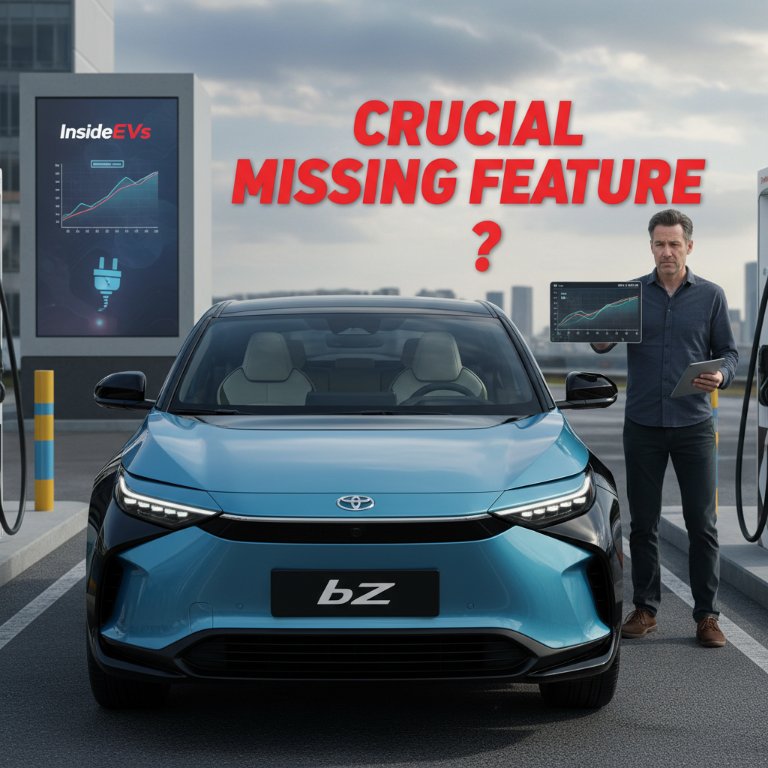
Toyota, a titan of the automotive world and a pioneer in hybrid technology, has faced an uphill battle in the dedicated battery-electric vehicle (BEV) segment. The 2026 Toyota bZ arrives as a crucial inflection point, offering significant improvements over its much-criticized predecessor, the bZ4X. While early reviews, notably from InsideEVs, confirm the bZ is a demonstrably better car and a stronger EV offering, a lingering issue continues to hold it back from true competitiveness, despite Toyota possessing all the necessary components to rectify it.
Toyota's initial foray into the modern BEV market with the bZ4X was met with a lukewarm reception, to put it mildly. Issues ranged from subpar real-world range that often fell short of its modest EPA estimates, inconsistent and frustratingly slow DC fast charging, and an infotainment and software suite that felt dated and lacked the intuitive experience found in rival offerings. This left many questioning Toyota’s commitment to a full-electric future, particularly from a company that once led in green vehicle innovation. The 2026 bZ aims to address these critical shortcomings directly, signaling a renewed, albeit cautious, effort to capture a meaningful slice of the rapidly expanding EV pie.
The 2026 bZ: A Step in the Right Direction
The latest iteration, the 2026 bZ, represents a tangible improvement across the board. Toyota has clearly listened to feedback, making strides in core areas that were previously pain points:
- Improved Range: Drivers can now expect a more competitive and reliable driving range, alleviating the range anxiety that plagued the bZ4X. This likely stems from a combination of battery optimization and potentially improved thermal management.
- Enhanced Charging Performance: While specific figures are still emerging, the review suggests a better charging experience, implying faster peak charging rates and perhaps a more consistent charging curve, reducing frustratingly long charging stops.
- Refined Software and User Experience: The