Toyota Unleashes 2026 C-HR EV: A Bold, Performance-Oriented Shift for the Automaker
Toyota is finally making a statement in the electric vehicle market, officially launching the all-new 2026 Toyota C-HR, an electric compact SUV. Set t...
Editorial Team
World Of EV
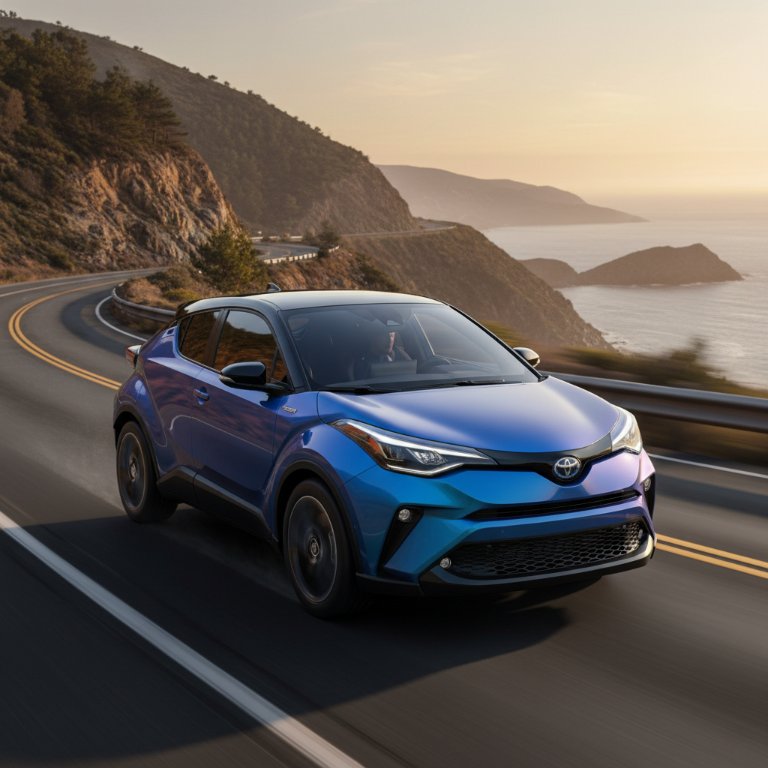
Toyota is finally making a statement in the electric vehicle market, officially launching the all-new 2026 Toyota C-HR, an electric compact SUV. Set to electrify U.S. dealerships in March 2026, the C-HR arrives not as a cautious hybrid alternative, but as a compelling, performance-focused EV designed to directly challenge established players. This marks a significant pivot for Toyota, an automaker long criticized for its hesitant approach to pure electric vehicles, often prioritizing hybrid and hydrogen technologies, and facing a somewhat lukewarm reception for its earlier bZ4X EV.
C-HR: A Bold Design with Potent Performance
The 2026 C-HR immediately stands out with its distinctive coupe-like profile, signaling a departure from Toyota's traditionally more conservative styling. It's a design that aims for excitement, something the previous gasoline-powered C-HR achieved with mixed reviews.
Key performance specifications underscore this aggressive new stance:
- Standard Dual-Motor All-Wheel Drive (AWD): Unlike some rivals that offer AWD as an upgrade, the C-HR includes it as standard, providing enhanced traction and driving dynamics.
- Combined System Horsepower: A robust 338 horsepower propels the C-HR, making it significantly more powerful than many vehicles in its class, and even outmuscling the Toyota GR Corolla.
- Acceleration: The C-HR rockets from 0 to 60 mph in an estimated 4.9 seconds, placing it firmly in the sporty compact SUV category.
- EPA-Estimated Range: The SE grade offers an impressive range of up to 287 miles on a single charge (dropping slightly to 273 miles for the XSE trim with 20-inch wheels), making it a viable option for daily commutes and longer trips.
Powering the Future: Battery and Charging
The C-HR is equipped with a 74.7 kWh lithium-ion battery, a substantial pack for its segment. Crucially, it features a North American Charging Standard (NACS) port, ensuring seamless access to Tesla's extensive Supercharger network across the U.S. This future-proof charging solution allows for rapid replenishment, with a 10% to 80% recharge achievable in approximately 30 minutes with DC fast-charging.
Premium Interior and Practicality
Inside, the 2026 C-HR aims for a premium experience, boasting soft-touch materials, customizable ambient lighting, and a prominent 14-inch touchscreen for the infotainment system. Practicality hasn't been entirely sacrificed for style, offering up to 59.5 cubic feet of cargo space with the rear seats folded. The Manufacturer's Suggested Retail Price (MSRP) starts at a competitive $37,000.
Why This Matters:
Toyota's launch of the 2026 C-HR EV is more than just another vehicle introduction; it's a profound statement of intent. For years, Toyota, while a pioneer in hybrids, lagged significantly in developing compelling, dedicated battery electric vehicles. The bZ4X, while a step, faced criticism for its conservative range, slower charging speeds, and design quirks, preventing it from truly competing with segment leaders.
The C-HR, however, represents a calculated, aggressive entry into the burgeoning compact electric SUV market. Its standard dual-motor AWD and 338 horsepower immediately position it as a performance leader, capable of challenging the likes of the Kia Niro EV, Hyundai Kona Electric, and even entry-level Tesla Model Y variants, particularly those prioritizing driving dynamics over absolute cargo space. The starting price of $37,000, combined with standard AWD and potent performance, offers significant value, especially when compared to AWD versions of competitors. The NACS charging port is a strategic move, eliminating range anxiety concerns by providing access to the industry's most reliable fast-charging infrastructure.
This launch signals that Toyota is finally leveraging its engineering prowess to deliver an EV that is not only reliable but also desirable and genuinely exciting to drive. For consumers, it means another strong contender in a segment ripe for innovation. For the market, it's a clear indicator that Toyota is serious about electrifying its lineup, potentially spurring other legacy automakers to accelerate their own EV development. The C-HR could very well be the vehicle that re-establishes Toyota's reputation as an innovator, moving beyond its hybrid-first strategy to embrace a fully electric future with confidence.
Conclusion:
The 2026 Toyota C-HR EV is a pivotal moment for the Japanese automaker. With its sharp design, impressive performance, competitive range, and strategic charging solution, it has the potential to carve out a significant niche in the compact electric SUV market. Toyota is no longer just dipping its toes into the EV waters; with the C-HR, it's diving in headfirst with a product designed to thrill and compete.