Toyota Simplifies Home EV Charging: A Critical Move to De-Risk EV Ownership for 2026 Models
Toyota Motor North America (TMNA) has finally addressed one of the most significant yet often overlooked hurdles in electric vehicle adoption: seamles...
Editorial Team
World Of EV
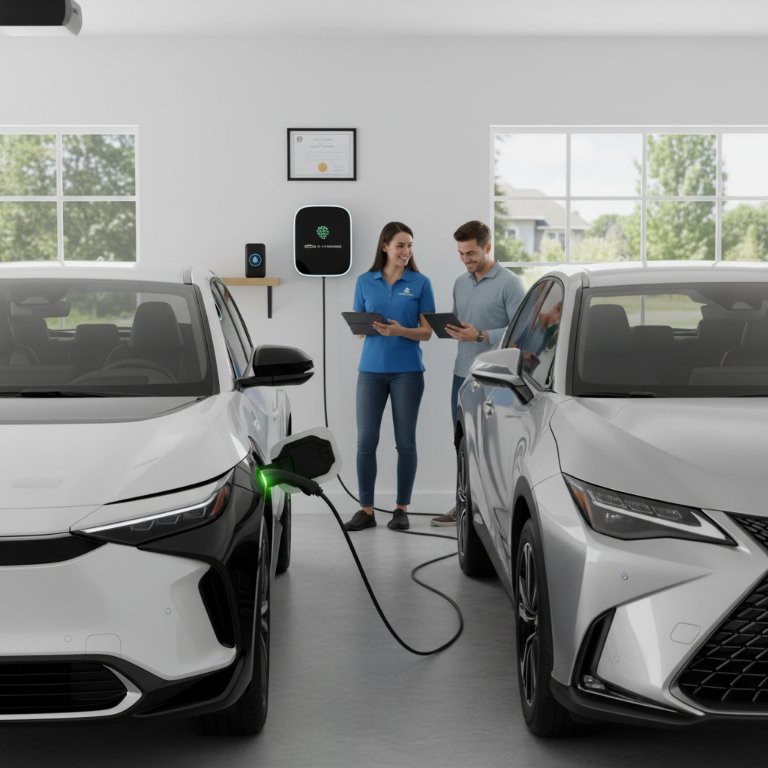
Toyota Motor North America (TMNA) has finally addressed one of the most significant yet often overlooked hurdles in electric vehicle (EV) adoption: seamless home charging. In a strategic collaboration with Treehouse, a specialized software-enabled operating system, Toyota aims to drastically simplify the purchase and installation of home EV chargers for owners of their 2026 and newer Toyota and Lexus battery electric (BEV) and plug-in hybrid (PHEV) vehicles. This initiative marks a crucial step for an automaker that has, until recently, approached full electrification with a notably cautious stance, often prioritizing hybrid technologies over a rapid BEV rollout.
A Standardized Solution for Charging Convenience
The cornerstone of this new program is the inclusion of a dual-voltage 120V/240V AC home charger as a standard feature with all eligible 2026 and newer Toyota and Lexus BEV and PHEV models. This move alone is a significant convenience for prospective owners, eliminating the need to research and purchase a separate charging unit. Historically, customers often faced a bewildering array of third-party options and the added cost of a charger on top of their vehicle purchase. By making a versatile, dual-voltage charger standard, Toyota effectively removes an initial layer of decision fatigue and expense, setting a new benchmark for customer-centric EV packaging.
Treehouse: Streamlining the Installation Nightmare
Beyond providing the hardware, the partnership with Treehouse is designed to tackle the often-daunting installation process. Treehouse will serve as the single point of contact, managing the entire journey from initial virtual scoping to securing necessary permits and finally, the hardware installation itself. This comprehensive, concierge-style service directly addresses a common pain point for new EV owners: navigating the complexities of electrical upgrades, local regulations, and finding reliable installers. For many, the perceived hassle of home charger installation can be a significant barrier to entry for EV ownership, and Toyota's proactive approach through Treehouse aims to transform this anxiety into a seamless, white-glove experience.
Why This Matters:
This collaboration isn't just about a new charger; it's a strategic pivot for Toyota, signaling a more mature and holistic approach to the EV ecosystem. For years, Toyota, while a pioneer in hybrids, has been criticized for its slower entry into the BEV market, often leaving early adopters to navigate the charging infrastructure labyrinth on their own. This partnership fundamentally shifts that dynamic.
- Who Wins? Toyota/Lexus Owners and Toyota Itself: Consumers gain unprecedented ease and peace of mind, dramatically reducing the friction associated with integrating an EV into their daily lives. This enhances the overall ownership experience, a critical factor for customer loyalty and brand perception. For Toyota, this initiative directly addresses a core barrier to EV adoption, potentially boosting sales and helping shed its image as an EV laggard. It demonstrates a commitment to not just selling EVs, but enabling a hassle-free lifestyle around them.
- A Clear Signal to the Market: This move sends a powerful message to competitors and the industry at large: the total EV ownership experience, not just the vehicle itself, is paramount. While companies like Tesla built out proprietary charging networks, and others have left home charging largely to the customer, Toyota is now actively integrating and simplifying the most common charging solution. This could compel other legacy automakers to re-evaluate their own home charging strategies.
- De-Risking EV Adoption: By standardizing the charger and streamlining installation, Toyota significantly de-risks the EV purchase for potential buyers. It tackles 'range anxiety' not just through vehicle capabilities, but by ensuring efforts, reliable charging where most EV owners do 80-90% of their charging: at home. This is a pragmatic, customer-centric approach that will likely resonate with a broader demographic.
In essence, Toyota is moving beyond merely producing electric vehicles to cultivating an effortless ownership ecosystem. This partnership with Treehouse represents a critical infrastructure play, positioning Toyota to capture a larger share of the evolving EV market by removing a key psychological and logistical hurdle. As the EV market matures, such comprehensive solutions will become the standard, and Toyota is making a significant stride in that direction.
Toyota's collaboration with Treehouse is a shrewd, necessary play that elevates the brand's standing in the increasingly competitive EV landscape. By simplifying the home charging experience, Toyota isn't just selling cars; it's selling confidence and convenience, a potent combination that will undoubtedly shape the future of EV adoption for its brands.