Toyota Finally Gets Serious: The 2026 C-HR EV Arrives with AWD, Range, and Supercharger Access
For years, Toyota, a pioneer in hybrid technology, has been conspicuously cautious in its approach to the all-electric vehicle market. While rivals pl...
Editorial Team
World Of EV
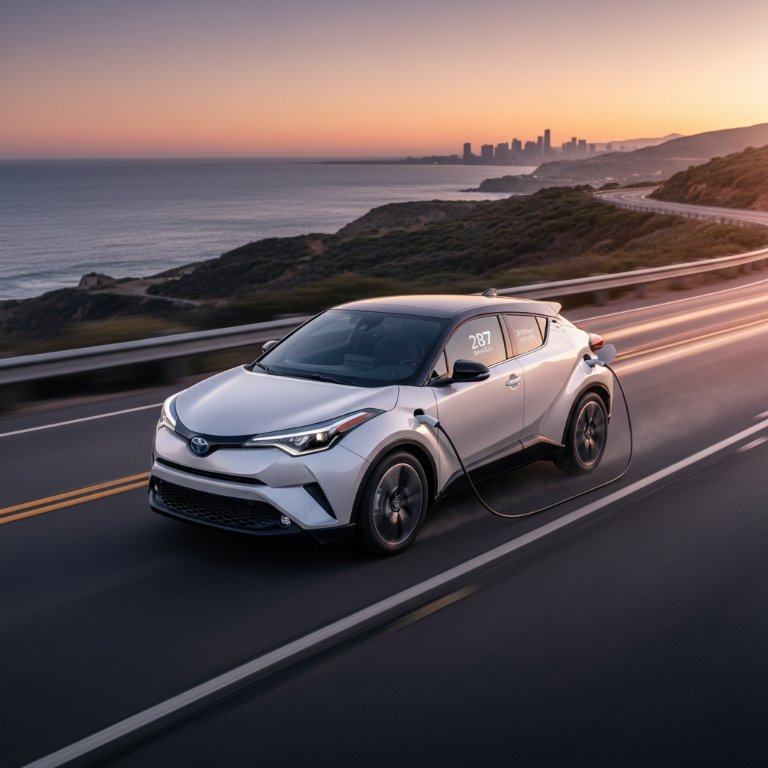
For years, Toyota, a pioneer in hybrid technology, has been conspicuously cautious in its approach to the all-electric vehicle market. While rivals plunged headfirst into dedicated EV platforms and aggressive rollout strategies, Toyota largely relied on adapted architectures, culminating in the somewhat lukewarm reception of its bZ4X. Now, with the impending arrival of the 2026 Toyota C-HR, the Japanese giant appears to be signaling a significant shift, offering an all-electric small SUV built on the dedicated TNGA-E platform that packs a serious punch and critical consumer convenience features.
The Road & Track review of the C-HR EV paints a picture of a thoroughly competent and well-engineered electric crossover. This isn't just another compliance car; it’s a confident stride into the burgeoning compact EV segment, aiming squarely at mainstream buyers who prioritize reliability, practicality, and now, compelling electric performance. Toyota's reputation for build quality and efficiency will certainly play a pivotal role in how this vehicle is perceived by a market increasingly looking for dependable EV options.
Power and Platform: A New Foundation for Toyota EVs
The 2026 C-HR EV marks a crucial turning point for Toyota, moving beyond adaptations to embrace a dedicated EV architecture. The TNGA-E platform underpins a sophisticated dual-motor all-wheel-drive system, standard across the range, suggesting a commitment to performance and capability from the outset. This setup is a significant departure from Toyota's earlier EV offerings and positions the C-HR EV as a robust contender in a competitive segment.
Key specifications and features highlighted by the review include:
- Dedicated EV Platform: Built on the TNGA-E architecture, promising optimized EV performance and packaging.
- Standard Dual-Motor AWD: Features a 224-hp front motor and a 117-hp rear motor, delivering a claimed system peak of 338 hp.
- Solid Battery Capacity: A 74.7 kWh lithium-ion battery pack provides the juice.
- Respectable Range: The SE model achieves up to 287 miles on a single charge.
- DC Fast-Charging: Capable of up to 150 kW, allowing for quicker top-ups on the go.
- NACS Port Integration: Crucially, it recharges via a North American Charging Standard (NACS) port, granting direct access to the vast Tesla Supercharger network without an adapter.
- Practical Cargo Space: Offers 25.3 cubic feet of luggage space with the rear seats in use.
- Toyota Quality: Maintains the brand's legendary build quality, ensuring durability and reliability.
While the review praises the C-HR EV's impressive performance and inherent Toyota quality, it did note ‘little dynamic joy.’ This observation is telling, suggesting that while the C-HR EV is competent and quick, it might not ignite the same driver engagement as some of its sportier rivals. However, for many mainstream buyers, the blend of performance, practicality, and brand trust will likely outweigh a lack of ultimate cornering prowess.
Why This Matters:
The 2026 Toyota C-HR EV is far more than just another electric SUV; it's a strategic declaration of intent from a traditionally conservative automaker. After years of criticism regarding its slow EV transition, this vehicle demonstrates Toyota's learning curve and newfound aggressiveness in the electric space. The dedicated TNGA-E platform is a foundational step, enabling better optimization for electric powertrains, superior packaging, and potentially, more scalable production. This signals that Toyota is finally moving beyond 'electrified' models to genuinely 'electric' vehicles.
Who Wins? Consumers, primarily. The standard dual-motor AWD offers confident performance and all-weather capability, appealing to a broad demographic. The 287-mile range for the SE model is competitive and addresses range anxiety for most daily drivers. However, the most significant win for buyers is the NACS port. Granting seamless access to Tesla's industry-leading Supercharger network removes a major barrier to EV adoption and vastly improves the ownership experience, especially on longer journeys. This move solidifies NACS as the de facto charging standard in North America and forces other legacy automakers to accelerate their adoption plans.
Who Loses? Competitors in the compact EV SUV segment who don't offer standard AWD, comparable range, or, more importantly, native NACS integration are now playing catch-up. Brands like Hyundai, Kia, and even some European marques that still rely on CCS connectors will face increasing pressure to provide the same level of charging convenience. Furthermore, this move subtly shifts the narrative around Toyota, from an EV laggard to a serious contender, potentially eroding market share from those who capitalized on Toyota's initial hesitance.
What This Signals: The 2026 C-HR EV signals Toyota's commitment to the electric future is now irreversible and substantial. While 150 kW DC fast-charging is decent, it still lags behind segment leaders pushing 250 kW+, indicating there's room for improvement in charging speeds. However, the overall package, particularly the NACS integration, suggests Toyota is keenly listening to consumer pain points and actively addressing them. This is not a 'do-or-die' moment for Toyota, given its immense global scale and hybrid success, but it is a critical juncture that positions them for sustained relevance in the rapidly electrifying automotive landscape.
Toyota's C-HR EV is a strong statement, demonstrating a renewed focus on delivering practical, high-quality, and increasingly convenient electric vehicles. While it may not win over enthusiasts seeking a thrilling drive, its comprehensive package, robust performance, and critical charging infrastructure access position it as a formidable force in the mainstream EV market, setting a new benchmark for what consumers can expect from a Toyota EV. The future of electric mobility at Toyota looks considerably brighter with the C-HR leading the charge.