The Xpeng G6 Shatters Range Anxiety Myths, Redefining the EV Road Trip Experience
For years, the specter of 'range anxiety' has loomed large over the burgeoning electric vehicle market, a significant psychological barrier for prospe...
Editorial Team
World Of EV
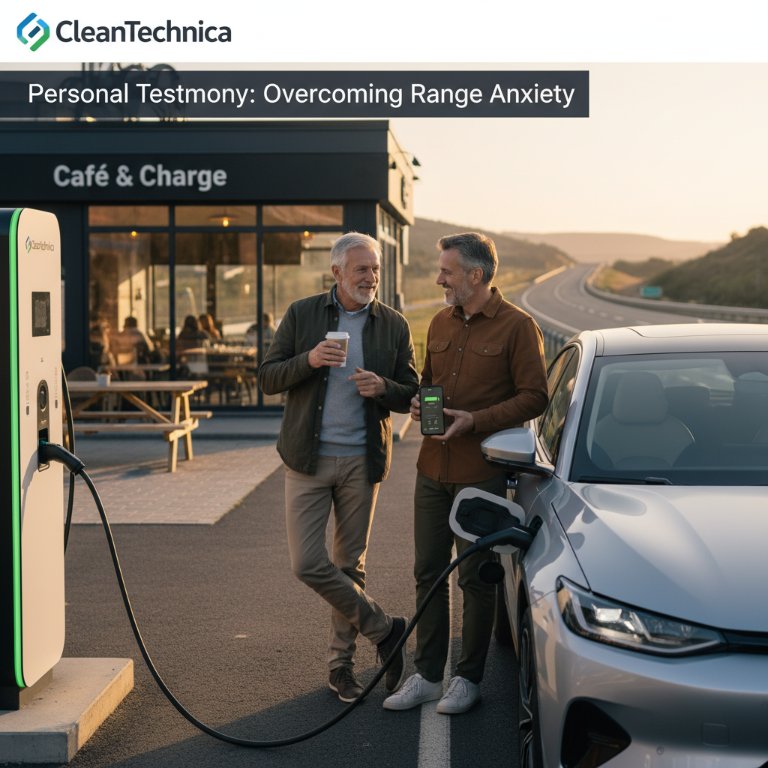
For years, the specter of 'range anxiety' has loomed large over the burgeoning electric vehicle market, a significant psychological barrier for prospective buyers contemplating long-distance travel. The fear of an EV running out of charge far from a charging point, coupled with concerns about slow charging times and inadequate infrastructure, has kept many tethered to traditional internal combustion engine (ICE) vehicles. However, a recent real-world account of a road trip in an Xpeng G6 is powerfully challenging these ingrained assumptions, demonstrating a profound shift in the EV driving experience and the potential for a new paradigm in long-haul electric travel.
Overcoming the Mental Hurdle of EV Travel
The narrative shared by Marc Anderson, detailing his father's initial trepidation about an Xpeng G6 road trip, perfectly encapsulates the prevailing skepticism surrounding EV suitability for extended journeys. This apprehension, often rooted in unfamiliarity rather than fact, highlights the psychological aspect of adapting to new technology. Many consumers perceive EVs as having limited range and inadequate charging infrastructure, even as modern EVs boast impressive ranges and charging networks rapidly expand.
The Xpeng G6: A Rhythmic Integration of Charging and Lifestyle
Marc Anderson's experience with the Xpeng G6 reveals a transformative reality. What began as an anticipated inconvenience — the need to stop and charge — organically evolved into a rhythmic and integrated part of the journey. Instead of being stressful, charging breaks naturally aligned with essential road trip activities:
- Coffee stops: A perfect moment to plug in and refresh.
- Meals: Enjoying a leisurely meal while the vehicle replenishes its battery.
- Leg stretches: Utilizing charging time for physical breaks and comfort.
This seamless integration transformed the perception of charging from a disruptive obligation into a welcome pause, enhancing the overall travel experience. Modern EVs like the Xpeng G6, with their advanced fast-charging capabilities, significantly contribute to this shift, often adding substantial range in the time it takes for a quick break. For instance, the Xpeng G6 can gain 427 km of charge in just 15 minutes, or go from 10% to 80% State of Charge (SOC) in merely 12 minutes. The G6 also offers in-car features like 'Sleep Space' and 'Mindfulness' apps, allowing occupants to relax or meditate during charging stops, further enhancing the integrated experience.
Why This Matters:
This real-world testimonial from the Xpeng G6 journey signals a critical turning point in mainstream EV adoption, moving beyond mere technological specifications to address the crucial human element. For years, the automotive industry has grappled with consumer sentiment, where perceptions of range anxiety and charging inconvenience have been difficult to dislodge, despite advancements in battery technology and charging infrastructure.
- Who Wins? EV manufacturers like Xpeng, who deliver vehicles with efficient charging and user-centric designs, stand to gain significant market share. This experience directly combats a primary barrier to entry for hesitant buyers, turning a perceived weakness into a genuine strength. The broader EV ecosystem, including charging network providers, also wins as increased adoption drives further investment and expansion. Businesses located near charging stations also benefit from increased foot traffic and spending during these integrated stops.
- Who Loses? Skeptics and traditionalist narratives that cling to outdated notions of EV limitations face growing irrelevance. Automakers who fail to prioritize not just range and speed, but the integration of charging into a positive lifestyle experience, risk falling behind. The psychological barriers, which have historically dampened EV interest, are now being actively dismantled by real-world positive experiences.
- What Does This Signal to the Market? This signals a maturing EV market where the conversation is shifting from basic feasibility to enhanced user experience. It underscores that range anxiety isn't just about kilometers, but about the psychology of the journey. When charging becomes a natural, enjoyable pause rather than a stressful necessity, it fundamentally redefines the desirability and practicality of EVs for long-distance travel. This also highlights the importance of 'smart' charging infrastructure that seamlessly integrates with daily routines.
- Is This a 'Do-or-Die' Moment? While not a 'do-or-die' moment for any single company, it is a critical juncture for the perception of electric vehicles. Overcoming range anxiety through integrated, positive road trip experiences is paramount for EVs to move from early adopters to the mainstream. This shift in perception could unlock a far larger segment of the market currently hesitant to make the switch.
In conclusion, the Xpeng G6's performance on the open road offers a powerful counter-narrative to persistent EV anxieties. By transforming charging stops into harmonious pauses, it showcases that the future of electric road tripping isn't about enduring inconvenience, but embracing a more relaxed, integrated, and ultimately, more enjoyable way to travel. The psychological hurdle of EV adoption is being systematically addressed, paving the way for a truly electric future on our highways.