The Silent Drain: EV Tires Are Secretly Inflating Your Ownership Costs
Electric vehicles (EVs) are celebrated for their instant torque, quiet operation, and zero tailpipe emissions, promising a cleaner, often cheaper, dri...
Editorial Team
World Of EV
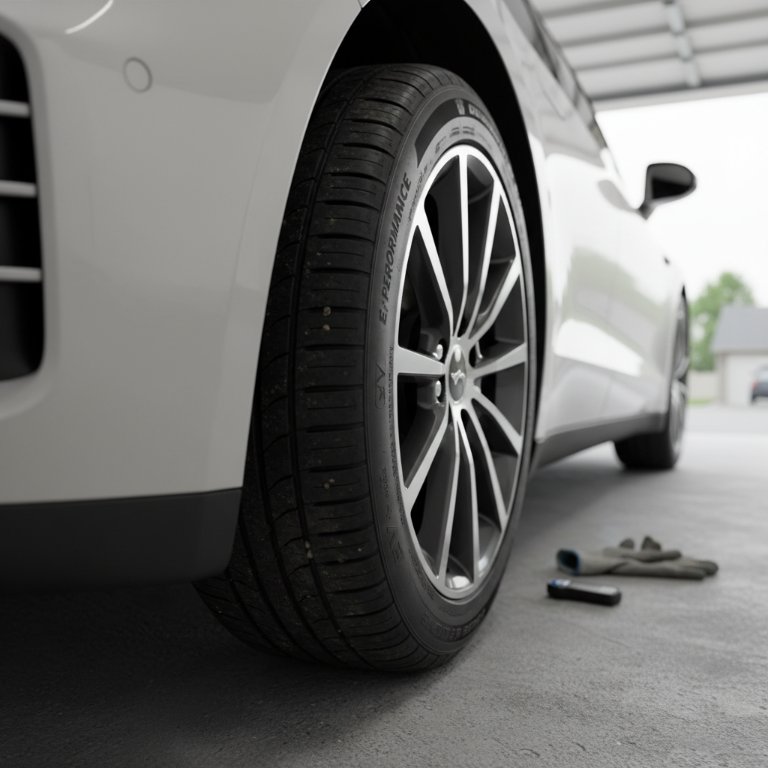
Electric vehicles (EVs) are celebrated for their instant torque, quiet operation, and zero tailpipe emissions, promising a cleaner, often cheaper, driving future. However, a significant and often overlooked "hidden cost of ownership" is rapidly emerging: faster tire wear coupled with substantially higher replacement expenses. This reality is catching many EV owners off guard, challenging the perception of lower maintenance costs associated with electric mobility.
The Physics Behind Premature Wear
EV tires face a unique set of stresses that their internal combustion engine (ICE) counterparts simply don't. Three primary factors contribute to their accelerated degradation:
- Increased Vehicle Weight: The substantial battery packs in EVs add considerable weight, often making them 10-20% heavier than comparable gasoline cars. This additional mass places greater load and strain on the tires, particularly during cornering and braking, leading to quicker tread wear.
- Instant Torque Delivery: Electric motors deliver maximum torque instantaneously, unlike gas engines that build power gradually through gear shifts. This exhilarating, immediate acceleration, while a major selling point, causes intense scrubbing and abrasion on the tire tread with every launch, significantly contributing to faster wear.
- Regenerative Braking's Double-Edged Sword: Regenerative braking, a cornerstone of EV efficiency, uses the electric motor to slow the vehicle and recover energy. While it drastically reduces wear on traditional brake pads, this system applies different and often more aggressive forces to the tires, particularly the front tires, during deceleration. This constant, dynamic stress, especially in stop-and-go traffic, further shortens tire lifespan and can lead to uneven wear patterns.
The Soaring Cost of EV-Specific Rubber
The consequences of these unique demands extend beyond just faster wear. EV-specific tires, engineered with reinforced sidewalls, specialized compounds, and noise-reducing foam, are designed to cope with the extra weight, torque, and quiet cabin requirements. This specialized engineering comes at a premium, with EV tires typically costing 15-30% more than standard tires for ICE vehicles. Some reports even suggest a 20-50% price increase. Furthermore, their lifespan is notably shorter; many EV owners report needing replacements every 20,000-30,000 miles, a stark contrast to the over 40,000 miles commonly achieved by tires on ICE cars.
Why This Matters:
This "hidden cost" of EV ownership demands immediate attention from both consumers and the industry. For prospective buyers, the narrative of significantly lower running costs for EVs needs recalibration. While fuel savings are undeniable, the increased frequency and expense of tire replacements can noticeably impact the total cost of ownership (TCO). Buyers must factor in this accelerated wear and higher price point when evaluating their budgets.
For automakers, this presents a design challenge. The drive for lighter vehicles and a closer collaboration with tire manufacturers to develop even more durable, long-lasting EV tires will become paramount. Innovations like self-healing tires, smart tires with embedded sensors, and new sustainable materials are already emerging as the industry responds to these demands.
Tire manufacturers, meanwhile, are in a "gold rush" moment. The rapid growth of the EV market, projected to reach USD 337.20 billion by 2034, is driving immense investment in R&D for specialized EV tire lines. Brands like Michelin, Bridgestone, Continental, and Goodyear have already launched dedicated EV tire offerings, signifying a critical shift in their market strategies. Those who innovate fastest and most effectively in balancing durability, efficiency, and cost will capture significant market share.
Ultimately, this issue underscores the dynamic evolution of the automotive landscape. As EVs become mainstream, a holistic understanding of all operational costs is crucial for consumer satisfaction and sustained market growth. The tire industry's rapid adaptation will be key to ensuring that the dream of affordable electric driving remains a reality.
Conclusion:
The faster wear and higher cost of EV tires are not minor footnotes but significant factors influencing the true economics of electric vehicle ownership. While technological advancements are continuously addressing these challenges, transparency and consumer awareness are vital. As the EV revolution accelerates, the interplay between vehicle design, driving habits, and tire innovation will continue to shape the financial landscape for every EV driver.