The Hidden Burden: Why PHEV Maintenance Costs Undermine Owner Satisfaction, Bolstering Pure EV Dominance
The automotive industry has long championed Plug-in Hybrid Electric Vehicles (PHEVs) as the ideal 'bridge' technology, offering drivers the flexibilit...
Editorial Team
World Of EV
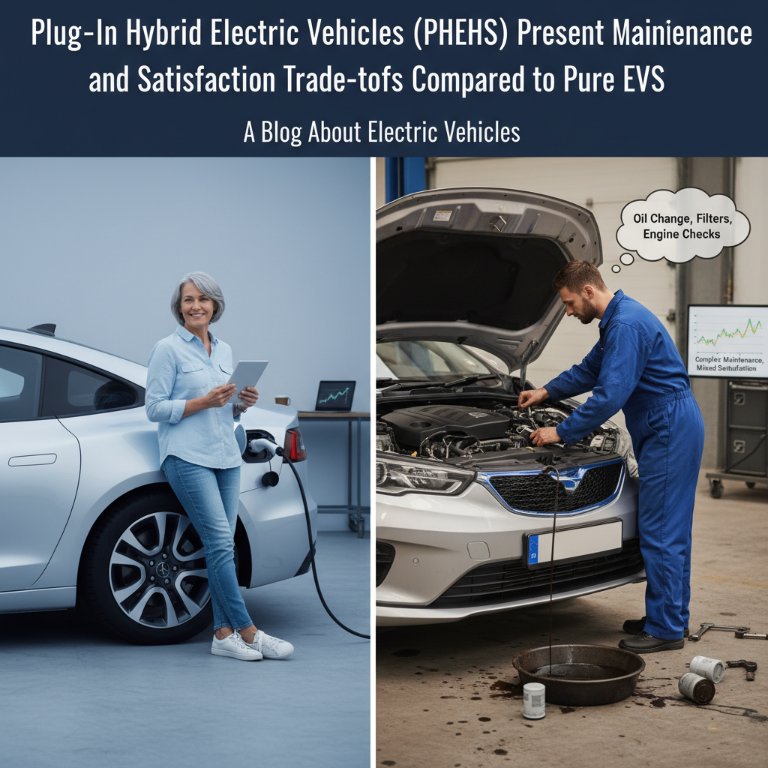
The automotive industry has long championed Plug-in Hybrid Electric Vehicles (PHEVs) as the ideal 'bridge' technology, offering drivers the flexibility of electric range with the reassurance of a gasoline engine. However, a growing body of evidence, including recent studies on owner satisfaction and maintenance requirements, is revealing a critical flaw in this narrative. The inherent complexity of PHEVs, particularly their reliance on internal combustion engine (ICE) components, is directly impacting owner satisfaction and driving up total costs of ownership, increasingly positioning pure Battery Electric Vehicles (BEVs) as the superior choice.
The Unseen Costs of Hybrid Complexity
Unlike their pure electric counterparts, PHEVs demand a dual maintenance regimen. Drivers, often drawn to PHEVs for their perceived environmental benefits and lower running costs, frequently overlook the persistent demands of the gasoline engine. While an EV owner might only need to consider tire rotations, cabin filter changes, and wiper blade replacements, PHEV owners face a significantly more involved schedule, mirroring a traditional gasoline-powered vehicle.
- Regular Oil Changes: Essential for lubricating the gasoline engine, regardless of how often it's used. Stagnant oil in underutilized engines can even degrade faster.
- Filter Replacements: Air, oil, and fuel filters all require periodic inspection and replacement to ensure engine health and efficiency.
- Spark Plug and Coolant Maintenance: These critical ICE components also require attention, adding to the complexity and cost.
- Dual Powertrain Diagnostics: Integrating two distinct propulsion systems can lead to more intricate diagnostic challenges, potentially increasing repair costs and downtime.
This continuous need for conventional engine maintenance directly contrasts with the often-touted simplicity of EV ownership. The promise of reduced running costs for PHEVs is frequently overshadowed by these unavoidable service intervals, creating a less straightforward and often more expensive long-term ownership experience than many anticipate.
Pure EVs Pull Ahead in the Satisfaction Race
Studies consistently indicate a clear disparity in owner satisfaction, with pure electric car owners generally reporting higher overall contentment than those driving PHEVs. This satisfaction isn't merely about the silent, immediate torque of an electric motor; it's fundamentally tied to the pragmatic aspects of vehicle ownership, particularly the total cost of ownership.
Consumers who embrace pure EVs benefit from:
- Lower Fuel Costs: Electricity is typically more affordable per mile than gasoline, especially when charging at home during off-peak hours.
- Dramatically Reduced Maintenance Expenses: With far fewer moving parts and no internal combustion engine, pure EVs virtually eliminate the need for oil changes, spark plug replacements, and complex exhaust system maintenance.
- Simpler Ownership Experience: The absence of gasoline engine concerns translates into fewer trips to the service center and a more predictable, hassle-free daily experience.
This gap in satisfaction highlights a growing consumer awareness. Prospective buyers are looking beyond initial purchase price, increasingly scrutinizing the long-term financial and logistical implications of their vehicle choices. For many, the perceived convenience of a gas engine in a PHEV is being outweighed by the undeniable simplicity and cost-effectiveness of pure electric propulsion.
Why This Matters:
This emerging data isn't just an interesting footnote; it's a profound signal to the entire automotive industry and discerning buyers alike. For years, PHEVs were positioned as the sensible, low-risk entry point into electrification. Yet, the persistent burden of gasoline engine maintenance and the resulting dent in owner satisfaction are exposing the limitations of this 'compromise' technology. This reinforces the long-term trajectory towards pure battery-electric vehicles.
Who Wins? Pure EV manufacturers, particularly those with dedicated EV platforms and robust charging infrastructure commitments, stand to gain significantly. Companies like Tesla, BYD, Hyundai, and Kia, who have heavily invested in BEV technology, find their strategies validated. Consumers prioritizing simplicity, lower running costs, and a truly modern driving experience are also clear winners. This trend also benefits the rapidly expanding EV charging infrastructure industry.
Who Loses? Automakers that continue to lean heavily on PHEVs as their primary electrification strategy without a clear path to full BEV dominance risk falling behind. Consumers who invest in PHEVs expecting the maintenance benefits of an EV may face disappointment and higher-than-anticipated ownership costs. This data puts pressure on brands to either significantly innovate their PHEV powertrains to genuinely minimize ICE dependency or, more realistically, accelerate their shift to purpose-built BEVs.
Market Signal: This signals a maturation of the EV market. Buyers are becoming more sophisticated, moving beyond early adopter enthusiasm to a pragmatic assessment of total cost of ownership and real-world experience. The market is increasingly demanding uncompromised electric benefits, pushing manufacturers to commit fully to BEV development rather than relying on transitional solutions.
The data unequivocally points to pure EVs offering a superior ownership experience, driven largely by simpler maintenance and lower total costs. While PHEVs will undoubtedly continue to play a role in specific niches and during the broader energy transition, their inherent complexities are becoming increasingly apparent to the market. For industry professionals and discerning buyers, the path forward appears increasingly clear: the future of personal mobility is pure electric.