The EV Cost Revolution: Why Electric Vehicles Now Undercut Petrol and Hybrids in Total Ownership
For years, the initial purchase price of an electric vehicle (EV) cast a long shadow over its undeniable environmental benefits. Savvy consumers and i...
Editorial Team
World Of EV
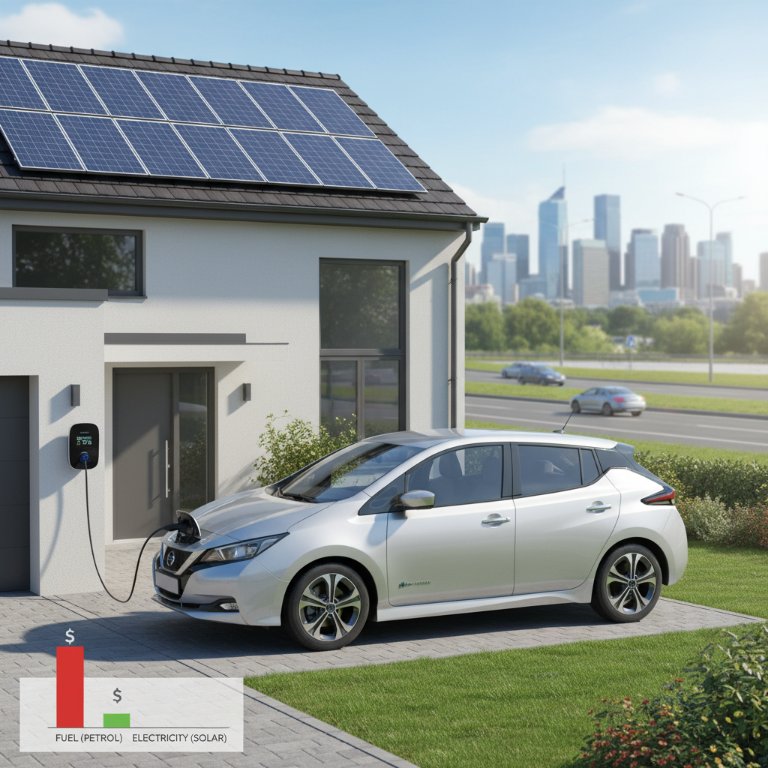
For years, the initial purchase price of an electric vehicle (EV) cast a long shadow over its undeniable environmental benefits. Savvy consumers and industry analysts alike questioned when the total cost of ownership (TCO) would genuinely tip the scales in favor of electrification. That tipping point is not only here; it's accelerating, fundamentally reshaping the automotive landscape. Electric vehicles are now decisively undercutting petrol and hybrid cars in total running costs, driven by a confluence of rising fuel prices, increasingly affordable EV models, and maturing battery technology.
This isn't merely a marginal advantage; it's a structural shift that makes EVs the more economically sensible choice for a growing segment of the market. Especially for those with access to home charging, and particularly for owners leveraging home solar setups, the operational savings are becoming too significant to ignore.
Diminishing Upfront Barriers and Robust Batteries
The most substantial barrier to EV adoption—the higher upfront cost—is rapidly diminishing. Small electric vehicles are now readily available from around $25,000, with mid-size options approaching the $40,000 mark. These price points align them closely with comparable new petrol or hybrid cars, marking a pivotal moment for mainstream accessibility. For instance, some new EVs, with federal tax credits, can effectively drop to around $22,000. This price parity is a game-changer, moving EVs from a niche, premium offering to a genuine alternative for budget-conscious buyers.
Simultaneously, the cornerstone of EV technology—the battery—has matured significantly. Manufacturers now widely expect battery packs to last approximately 20 years, far exceeding earlier concerns about costly replacements. This longevity dramatically de-risks long-term ownership, ensuring that the primary component of an EV retains its value and functionality for the practical lifespan of the vehicle.
Navigating the Nuances: Insurance, Maintenance, and Charging
While the cost narrative largely favors EVs, it's crucial for prospective buyers to understand the finer points of ownership expenses:
- Insurance Premiums: EV insurance can be higher, typically ranging from 15% to 49% more annually than for comparable petrol cars. This translates to roughly an additional $600 to $1300 per year, primarily due to the higher initial vehicle value, the specialized nature of repairs, and the cost of replacing advanced components.
- Maintenance Savings: Counterbalancing higher insurance, EVs generally boast significantly lower maintenance costs. With fewer moving parts and no oil changes, spark plugs, or complex exhaust systems, routine servicing is considerably simpler and less frequent.
- Tire Wear: One area where EVs incur greater costs is tire replacement. Due to the extra weight of battery packs and the instant, high torque delivered by electric motors, tires often wear out about 20% to 30% faster than on internal combustion engine (ICE) vehicles. This necessitates more frequent tire changes, which can add to running costs. Specialized EV tires are being developed to mitigate this issue.
- Charging Costs: For city-based EV owners who rely on commercial fast-chargers at rates of 50-60 cents per kilowatt-hour, a typical 60kWh recharge might cost $30-$36. Over 14,000km of driving annually, this equates to approximately $1340 a year in 'fuel' costs, which remains highly competitive with petrol cars, especially as fuel prices continue to climb. However, the real savings multiply exponentially for those able to charge predominantly at home, where electricity rates are often significantly lower.
Why This Matters: The Dawn of Mainstream EV Dominance
This definitive shift in the total cost of ownership marks a profound inflection point for the automotive industry and consumers alike. The 'green premium' of early EV adoption has evaporated, replaced by a compelling economic argument.
Who Wins? Consumers, first and foremost, especially those with stable home charging options or high annual mileage. They gain access to cleaner, more technologically advanced vehicles that are also cheaper to run over their lifespan. Early adopters who took a depreciation hit might feel some pain, but the broader market benefits from increasingly affordable used EVs. The EV ecosystem, from charging infrastructure providers to battery recyclers, also stands to gain as adoption accelerates.
Who Loses? Traditional internal combustion engine (ICE) manufacturers and dealerships that fail to adapt rapidly. Their value proposition, increasingly built on legacy technology and higher running costs, will become unsustainable. Fuel retailers will also continue to see their market shrink. Insurers, too, face a challenge; they must innovate their pricing models and adapt to the unique repair economics of EVs to remain competitive.
What This Signals: This trend signals the transition of electric vehicles from a niche, environmentally conscious choice to a mainstream, financially savvy decision. It's no longer just about emissions; it's about smart money. This will undoubtedly accelerate EV adoption rates globally, pushing automakers into a 'do-or-die' moment where delivering compelling, cost-effective EVs is paramount for survival and growth. The market is increasingly dictating that the future is electric, not just because it's better for the planet, but because it's better for the wallet.
Conclusion
The era of EVs being a compromise has ended. With purchase prices aligning, battery longevity assured, and running costs proving superior, electric vehicles are now unequivocally the more economical choice in the long run. As technology continues to advance and infrastructure expands, this trend will only intensify, cementing the electric vehicle's position as the default choice for the discerning driver. The future of mobility isn't just electrified; it's fiscally responsible electrification.