The EV Buyer's New Playbook: Practicality Outranks Planet as Core Motivator
The electric vehicle market has unequivocally matured beyond its nascent, environmentally-driven beginnings. New research from GreenCars reveals a fun...
Editorial Team
World Of EV
The electric vehicle market has unequivocally matured beyond its nascent, environmentally-driven beginnings. New research from GreenCars reveals a fundamental and critical shift in the motivations steering consumers toward EVs, pivoting sharply from purely ecological concerns to hard-nosed practicalities. This isn't merely a trend; it's a coming-of-age for the entire electric vehicle segment, demanding a comprehensive re-evaluation of industry strategies and marketing narratives.
The New Driver: Practicality, Not Piety
GreenCars' latest study offers a stark re-framing of the EV purchasing landscape. Where once environmental stewardship was a primary motivator—a noble, albeit often niche, driver—it now takes a definitive back seat to tangible, everyday benefits. The research indicates that factors such as cost, reliability, and daily usability are now the dominant forces steering consumers towards EVs. Strikingly, a mere 1.6% of surveyed buyers cited pollution reduction as their main reason for purchase. This doesn't suggest that environmental concerns have vanished; rather, they've become table stakes—an assumed baseline, secondary to the core functionality and value proposition of the vehicle itself.
Conquering the Range Anxiety Paradox
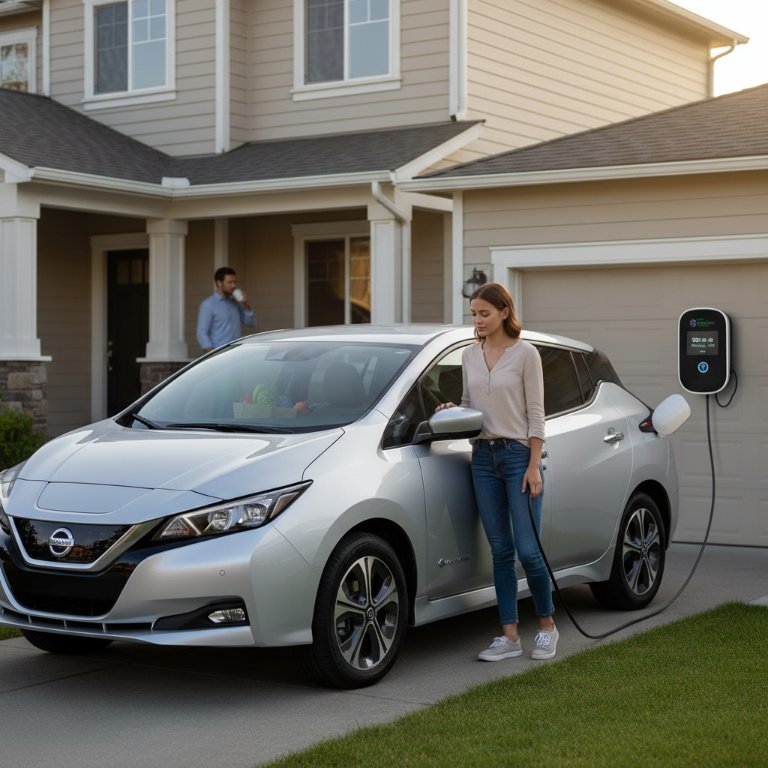
Another critical insight from the study addresses the persistent, often exaggerated, specter of "range anxiety." While an overwhelming 96% of respondents expressed concern about how far their EV could travel on a single charge, the data reveals a telling paradox. Over 84% of these same individuals actually drive less than 100 miles per day. The study powerfully suggests that this anxiety significantly diminishes when convenient home or workplace charging solutions are readily available. This underscores that while maximum range figures often grab headlines and dominate speculative conversations, the reality of daily usability, robustly supported by accessible charging infrastructure, is what truly builds and sustains consumer confidence.
Why This Matters:
This GreenCars research represents a seismic shift in the EV narrative, carrying profound implications for every facet of the automotive industry—from product development to sales and marketing strategies. The market is signaling a clear maturation, where EVs are no longer just an alternative; they are becoming a direct competitor on core automotive values.
Who Wins?
- Value-Focused Brands: Manufacturers that can consistently deliver reliable, affordable, and efficient EVs with robust charging ecosystems will thrive. Think of companies prioritizing accessible price points, proven drivetrains, and seamless integration into owners' daily lives. Brands like Hyundai, Kia, and increasingly, GM with its scalable Ultium platform, are well-positioned to capitalize on this shift.
- Charging Infrastructure Developers: Companies innovating in both home charging solutions and readily available, dependable public charging will become indispensable. The focus isn't just on more chargers, but smarter and more convenient charging.
- EVs as Mainstream Appliances: The emphasis on practicality means EVs are truly entering the mainstream, competing head-to-head with internal combustion engine (ICE) vehicles for daily utility. This expands the market exponentially beyond early adopters.
Who Loses?
- "Greenwashing" Marketers: Brands still relying heavily on environmental virtue signaling without a compelling practical argument will struggle to connect with the new, pragmatic buyer demographic. The message needs to pivot from 'save the planet' to 'save money and time.'
- Premium-Only Niche Players: While luxury EVs will always command a market, the broader growth and market share expansion will come from the segment that addresses cost, reliability, and utility head-on. Companies unable to scale down or offer compelling entry-level options may find themselves limited.
- Lagging Infrastructure Providers: Regions or companies failing to provide convenient, reliable, and affordable charging will see EV adoption stagnate, regardless of vehicle quality or innovation. Charging remains the linchpin of practicality.
This research is a critical market signal. It confirms that the EV market is moving past its ideological foundations. It's no longer just about being "green"; it's about being smart, efficient, and ultimately, a better daily driving solution. Manufacturers must pivot their strategies from merely promoting sustainability to emphasizing tangible ownership benefits, competitive pricing, and unwavering reliability. This is a critical juncture where practical value will define market leadership for the next decade.
Conclusion:
The GreenCars research definitively marks a new era for electric vehicles. The industry must acknowledge that the primary driver for adoption has transitioned from idealism to pragmatism. By prioritizing cost-effectiveness, undeniable reliability, and seamless daily usability—all supported by robust and accessible charging infrastructure—the industry can unlock the next, massive wave of mainstream EV buyers, solidifying electric vehicles as the sensible, superior choice for the modern driver.