Tesla's FSD Faces Critical D-Day as NHTSA Deadline Looms Amid Intensifying Scrutiny
Tesla stands at a pivotal juncture as the National Highway Traffic Safety Administration (NHTSA) demands comprehensive data on its Full Self-Driving (...
Editorial Team
World Of EV
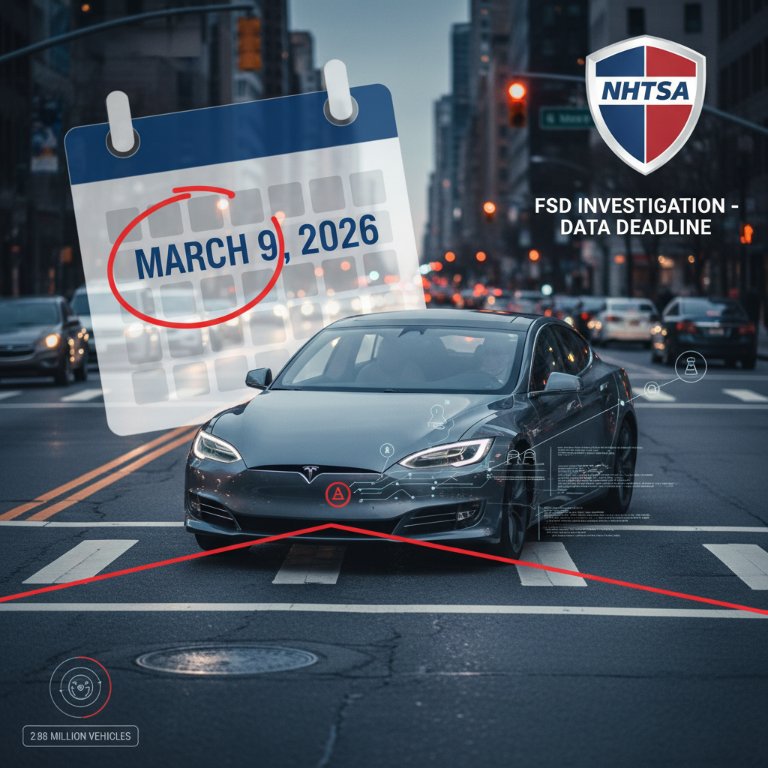
Tesla stands at a pivotal juncture as the National Highway Traffic Safety Administration (NHTSA) demands comprehensive data on its Full Self-Driving (FSD) system by March 9, 2026. This isn't merely a procedural formality; it represents a critical moment in the ongoing investigation into FSD's performance and traffic law compliance, encompassing approximately 2.88 million Tesla vehicles equipped with FSD (Supervised) or FSD (Beta). The outcome of this submission could profoundly shape the regulatory landscape for autonomous driving technology and redefine public trust in Tesla's ambitious vision.
The Regulatory Gauntlet Tightens
NHTSA's demand specifically targets incidents where FSD-enabled vehicles allegedly violated traffic laws. This includes crucial data related to events such as running red lights, making illegal turns, and driving the wrong way. The agency's scrutiny stems from numerous reports, identifying at least 58 incidents linked to FSD behaviors that violated traffic safety laws, with documented cases of vehicles proceeding through red signals into intersections, making unsafe lane changes, or attempting turns from incorrect lanes. These reports include 14 crashes and 23 injuries. NHTSA is seeking detailed timelines for each incident, starting 30 seconds prior to the alleged violation, along with information on the FSD software version used, driver warnings, and resulting crashes, injuries, or fatalities.
A Pattern of Delays and Demands
This March 9 deadline marks the second extension granted to Tesla, pushing back from an initial January 19 deadline, which was then extended to February 23, 2026. The repeated delays highlight the sheer volume and complexity of data NHTSA is requesting, with Tesla previously stating it had over 8,000 records requiring manual review and could only process around 300 per day. This ongoing probe, initiated in October 2025, isn't an isolated event. Tesla has been under the federal microscope for years regarding its advanced driver-assistance systems, including previous investigations into Autopilot, delayed crash reporting, and even its 'Smart Summon' feature. These prior inquiries, some linked to crashes under reduced visibility or issues recognizing traffic signals, underscore a persistent regulatory concern about the safe deployment and monitoring of Tesla's autonomous technologies.
Why This Matters:
This isn't just about regulatory compliance; it's a make-or-break moment for Tesla's Full Self-Driving aspirations and, by extension, its long-term valuation.
For Tesla's FSD Ambitions: A failure to satisfy NHTSA with comprehensive and transparent data could lead to severe repercussions. This might range from substantial fines and mandated software revisions to potential recalls affecting millions of vehicles or even restrictions on FSD's functionality. Such outcomes would significantly undermine Elon Musk's vision of a future dominated by FSD-powered robotaxis, a pillar many investors see as integral to Tesla's future growth and profitability. The credibility of FSD, already a contentious topic, could face irreparable damage, potentially impacting adoption rates and subscription revenues.
For the Broader EV and Autonomous Driving Industry: NHTSA's assertive stance on Tesla sets a crucial precedent for the entire autonomous vehicle (AV) industry. Regulators are clearly signaling their commitment to rigorous safety oversight, demanding not just performance claims, but verifiable data to back them up. This could accelerate the development of more robust data logging and reporting standards across all companies pursuing advanced driver-assistance systems, ultimately benefiting consumer safety but potentially increasing compliance burdens for innovators.
For Consumers and Prospective Buyers: The integrity of this investigation directly impacts consumer confidence. For current FSD owners, the results could dictate future system capabilities, perhaps even leading to limitations if safety concerns are not adequately addressed. For prospective buyers, the findings will be a critical factor in deciding whether to invest in FSD, influencing their trust in the system's safety and reliability, particularly amidst mixed public perceptions and viral social media clips questioning FSD's capabilities. This investigation will clarify the true definition and perceived safety of Level 2 (and aspiring Level 3) autonomous features, which still require active driver supervision.
Tesla's March 9 deadline for the NHTSA is more than a bureaucratic hurdle; it is a profound test of its Full Self-Driving technology's integrity and its ability to operate safely within existing traffic laws. The company's response will not only dictate the immediate future of FSD but also cast a long shadow over the regulatory pathway for autonomous vehicles globally. The industry and consumers alike will be watching closely to see if Tesla can successfully navigate this critical moment and reinforce its position at the forefront of automotive innovation, or if this marks a significant setback for its autonomous ambitions.