Tesla's China Supercharger Surge: A Strategic Masterstroke in the World's Hottest EV Market
Tesla is aggressively cementing its dominance in China, announcing a monumental milestone: its charging network has eclipsed 2,500 Supercharger statio...
Editorial Team
World Of EV
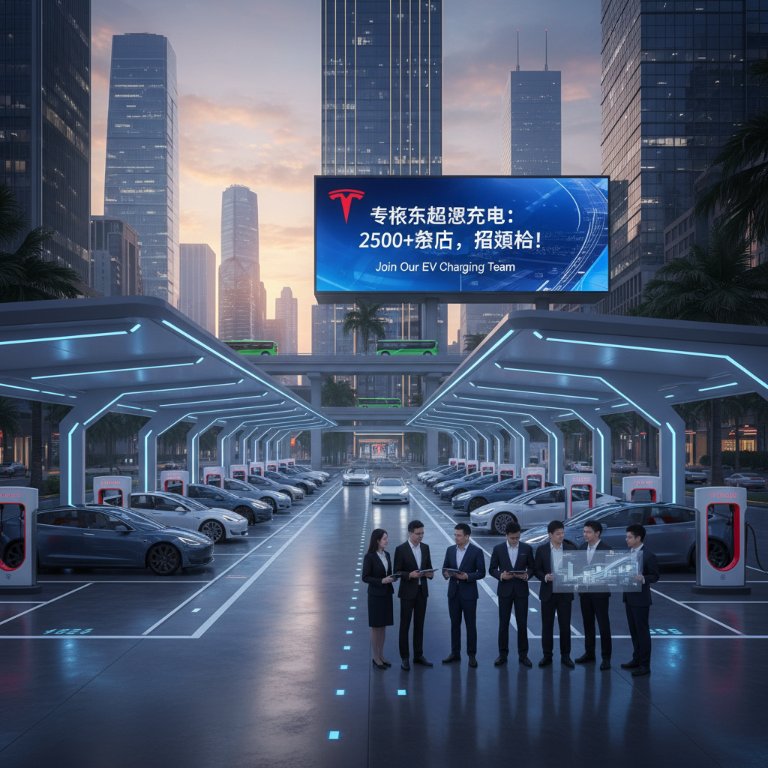
Tesla is aggressively cementing its dominance in China, announcing a monumental milestone: its charging network has eclipsed 2,500 Supercharger stations, deploying over 12,000 Supercharger stalls across mainland China. This isn't just about raw numbers; it's a strategic declaration of intent in the world's most fiercely competitive electric vehicle market. The company is simultaneously launching a significant recruitment drive for its charging team, signaling an unwavering commitment to further infrastructure expansion.
For years, Tesla has differentiated itself with its proprietary, highly reliable Supercharger network, a crucial differentiator for early EV adopters. While many rivals scrambled to adapt to existing, often fragmented, charging solutions, Tesla meticulously built out its ecosystem. This latest announcement underscores that this vertical integration remains central to its strategy, particularly in a market as vital and vast as China, where range anxiety and charging convenience can make or break an EV brand.
Unprecedented Scale: Tesla's Charging Footprint
The sheer scale of Tesla's charging build-out in China is staggering. Surpassing 2,500 Supercharger stations and exceeding 12,000 individual stalls means that a significant portion of the country's EV landscape is now covered by Tesla's fast-charging solution. This expansion goes beyond simply adding more chargers; it's about creating a dense, accessible network that mitigates one of the primary anxieties associated with EV ownership: the fear of running out of power. This infrastructure advantage is particularly potent in a nation as geographically diverse and populous as China.
- Over 2,500 Supercharger Stations: Providing widespread coverage across urban centers and inter-city routes.
- More than 12,000 Supercharger Stalls: Offering ample capacity to reduce wait times and ensure accessibility.
Fueling Future Growth: The Recruitment Blitz
Beyond the impressive station count, Tesla’s concurrent large-scale recruitment drive for its charging team is equally telling. The company is actively seeking talent across critical disciplines:
- Engineering: To innovate and optimize charging technology and deployment.
- Operations: To ensure the smooth, reliable functioning of the expansive network.
- Site Selection: To strategically identify and acquire prime locations for future stations.
- Project Management: To efficiently execute the rapid expansion plans.
This isn't merely filling vacant roles; it's a proactive investment in dedicated human capital, signifying a sustained, long-term commitment to infrastructure development. It suggests Tesla is not content with its current lead but is gearing up for an even more aggressive rollout, preparing for exponential growth in its vehicle fleet and further market penetration.
Why This Matters:
This move by Tesla is far more than a simple numbers game; it's a strategic play with profound implications for the entire Chinese EV ecosystem.
- Tesla Wins: By expanding its proprietary Supercharger network at this pace, Tesla significantly enhances its value proposition to prospective buyers. Superior charging infrastructure directly translates to reduced range anxiety, increased convenience, and a more seamless ownership experience, solidifying customer loyalty and driving further sales in a market where competition is intense. It also creates a powerful barrier to entry for rivals who lack similar dedicated fast-charging solutions. Tesla’s ability to control both the vehicle and the charging experience provides an unparalleled level of integration and quality control.
- Chinese EV Drivers Win: Consumers benefit immensely from the increased availability and reliability of high-speed charging. This helps accelerate the overall adoption of electric vehicles by making the transition from internal combustion engines less daunting. The growing network provides critical support for longer journeys, making EVs more practical for a wider range of uses.
- Competitors Face Mounting Pressure: While local giants like BYD, Nio, and Xpeng are also investing in charging, few can match the sheer scale and integrated nature of Tesla's Supercharger network. This forces competitors to either ramp up their own infrastructure development significantly, rely more heavily on third-party networks (which may offer less consistent experiences), or consider opening their charging standards to gain scale. This strategic move by Tesla raises the bar considerably for any EV manufacturer vying for a significant share of the Chinese market. It signals that simply having competitive vehicles isn't enough; a robust, reliable charging ecosystem is paramount.
- Market Signal: This aggressive expansion underscores Tesla's unwavering belief in the long-term growth of the Chinese EV market and its commitment to maintaining a leading position. It also highlights the continued importance of proprietary infrastructure as a competitive advantage, even as the industry moves towards more standardized charging solutions in other regions. It's a clear message: Tesla is here to stay and intends to dominate the charging experience as much as the driving experience.
In conclusion, Tesla’s accelerated expansion of its Supercharger network in China, coupled with a major recruitment drive, is a definitive strategic move. It's not just about selling cars; it's about controlling the entire user experience and removing critical barriers to EV adoption. As the Chinese EV market continues its explosive growth, Tesla's commitment to infrastructure development will undoubtedly prove to be a cornerstone of its sustained success, setting a formidable standard for all its competitors to chase. This ongoing investment in infrastructure is arguably as important as any vehicle innovation in securing Tesla's future in the world's most dynamic automotive landscape.