Tesla Unleashes Powerwall 3P: A Game-Changer for European Three-Phase Energy Storage
Tesla is poised to revolutionize home energy storage across Europe with the unveiling of its Powerwall 3P. This new variant of the popular home batter...
Editorial Team
World Of EV
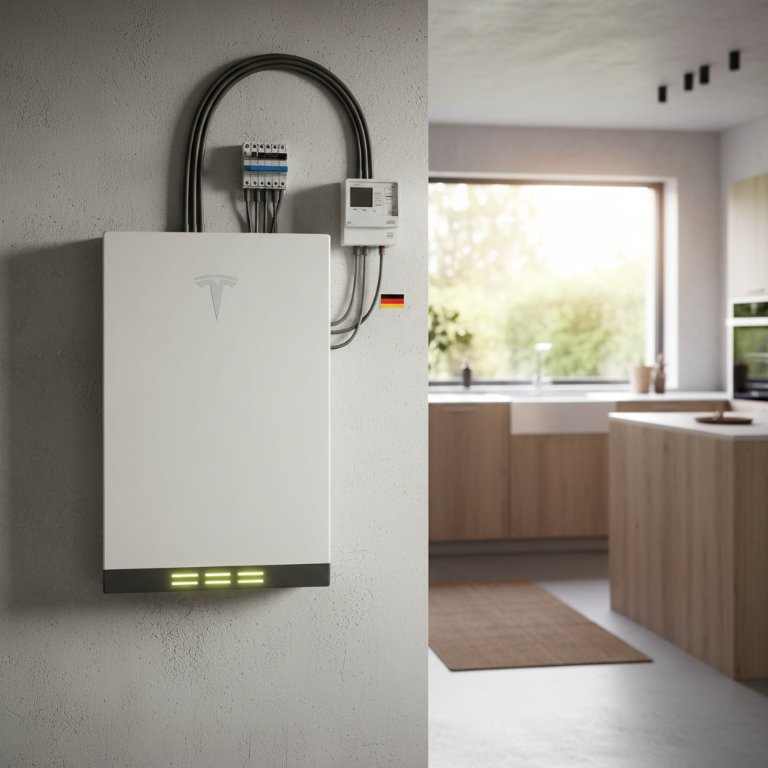
Tesla is poised to revolutionize home energy storage across Europe with the unveiling of its Powerwall 3P. This new variant of the popular home battery system boasts a native three-phase inverter built directly into a single, sleek unit. Initially targeting the critical German market, the Powerwall 3P directly addresses a significant hurdle that has long challenged European homeowners: achieving comprehensive whole-home backup on the continent's prevalent three-phase residential grids.
For years, Tesla's approach to three-phase power in Europe has been, to put it mildly, clunky. Unlike North American homes, which primarily operate on single-phase power, most European residences utilize three-phase electrical grids. This system, while more efficient for high-power demands like EV chargers, heat pumps, and induction cooktops, previously forced European Powerwall customers into complex and costly installations. To achieve true whole-home backup, customers often had to install up to three separate Powerwall units, one for each phase, significantly escalating both cost and installation complexity.
A Unified Solution for European Grids
The Powerwall 3P fundamentally changes this dynamic. By integrating a native three-phase inverter into a single Powerwall unit, Tesla eliminates the cumbersome multi-unit requirement. This consolidation means a single Powerwall 3P can now connect to all three phases simultaneously, balancing electrical loads across them and providing seamless, true whole-home backup. This simplification is not merely an aesthetic improvement; it represents a significant leap in functional integration and user experience.
Key features and implications of the Powerwall 3P include:
- Native Three-Phase Inverter: Direct integration into a single unit, removing the need for external phase couplers or multiple batteries for three-phase systems.
- Simplified Installation: One box means fewer components, streamlined wiring, and potentially reduced labor costs for installers and homeowners.
- Whole-Home Backup: Ensures all circuits on a three-phase grid remain powered during an outage, unlike previous setups where backup was often limited to a single phase.
- Smart Energy Management: Like its Powerwall 3 sibling, the 3P is expected to analyze energy consumption, solar production, weather forecasts, and dynamic electricity tariffs to optimize energy storage and discharge. This capability is particularly relevant for the German market, where variable electricity tariffs are becoming standard, offering homeowners tangible cost savings.
While Tesla has not yet released detailed specifications or pricing for the Powerwall 3P, it is anticipated to leverage the core technology of the standard Powerwall 3, which offers 13.5 kWh of usable capacity, 11.5 kW of continuous power output, and a 10-year warranty, utilizing LFP battery chemistry.
Why This Matters:
The Powerwall 3P's introduction marks a pivotal moment for Tesla's energy division and the broader European residential energy storage market. For Tesla, this is a decisive strategic move to solidify its position in a highly competitive landscape. Previously, competitors like Enphase, with its IQ Battery 5P, and BYD have gained traction in Europe by offering integrated three-phase solutions, often making Tesla's multi-Powerwall setup seem comparatively complex and costly. The 3P directly addresses this competitive disadvantage, potentially allowing Tesla to undercut rivals on total installed cost and complexity. This move will likely boost Powerwall sales in key European markets, strengthening a division that has been a significant growth driver for Tesla, with energy storage deployments surging by 48% in 2025.
For European consumers, the impact is substantial. The 3P promises a more elegant, efficient, and potentially more affordable path to energy independence and robust whole-home backup. The simplification of installation, coupled with intelligent energy management, makes renewable energy integration more accessible and user-friendly. This innovation empowers homeowners to better manage their electricity bills, increase resilience against grid outages, and reduce their carbon footprint without the compromises of yesteryear. It also signals Tesla's commitment to tailoring products for specific regional infrastructure, a crucial step for global market penetration.
The Future of European Home Energy is Integrated
Tesla's Powerwall 3P is more than just an incremental update; it's a direct response to market demands and a strategic enhancement that positions the company firmly at the forefront of European residential energy storage. By offering a streamlined, powerful, and intelligently integrated solution for three-phase grids, Tesla is not just selling batteries – it's selling true energy autonomy. This product launch will undoubtedly intensify competition, pushing other manufacturers to innovate further and ultimately benefiting consumers seeking reliable, efficient, and sophisticated home energy solutions. The era of complex workarounds for three-phase power is officially over, paving the way for a truly integrated future for home energy in Europe.