Tesla Unleashes Direct Power Supply in the UK, Set to Electrify British Homes and Grid
In a pivotal move for the future of British energy, Ofgem, the UK's energy regulator, has formally granted Tesla Energy Ventures Limited an electricit...
Editorial Team
World Of EV
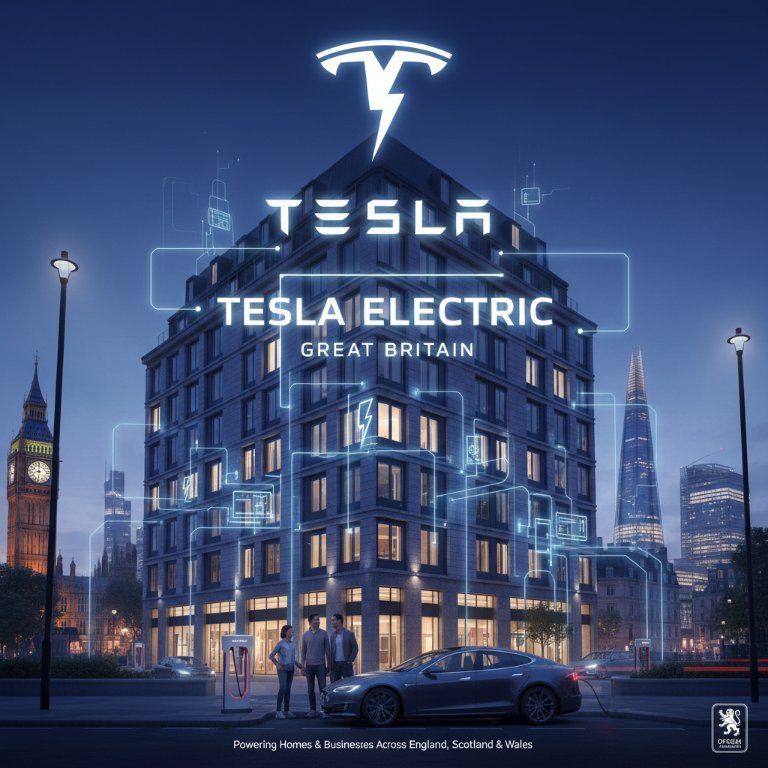
In a pivotal move for the future of British energy, Ofgem, the UK's energy regulator, has formally granted Tesla Energy Ventures Limited an electricity supply license. This landmark approval empowers Tesla to supply electricity directly to households and businesses across England, Scotland, and Wales, mirroring its established 'Tesla Electric' model in Texas and signaling a profound expansion of its energy ambitions within the highly competitive British retail energy market.
This isn't merely a new energy provider entering the market; it marks the culmination of Tesla's deliberate six-year strategy to become a comprehensive energy utility in the UK, transforming the brand from primarily a vehicle and battery manufacturer to a fully integrated energy retailer.
Tesla's UK Energy Foothold: A Six-Year Journey Culminates
Tesla's journey into the heart of the British energy sector has been long and strategic. The company first secured an electricity generation license from Ofgem in June 2020, laying the groundwork for its infrastructure. Since then, Tesla has significantly built out its energy footprint, deploying large-scale Megapack battery storage systems, including the substantial Pillswood project near Hull, which became Europe's largest battery at 196 MWh upon its 2022 launch. The company's advanced Autobidder AI software is already actively trading energy on the grid, optimizing power flows and making existing power companies take notice. This latest electricity supply license completes Tesla's 'full regulatory stack' in Britain, enabling it to directly connect with and serve consumers.
Replicating the Texas Electric Model for British Consumers
Tesla's entry into the UK retail energy market is poised to replicate the successful 'Tesla Electric' model pioneered in Texas, which offers a glimpse into what British consumers can expect.
Key features of the Tesla Electric model include:
- Direct Supply of 100% Renewable Energy: Tesla Electric in Texas is designed to power homes with low-cost, 100% renewable energy.
- Integrated Home Energy Management: The service offers seamless integration with Tesla's Powerwall home battery storage systems. This allows for optimized energy usage, prioritizing self-powering homes during expensive 'on-peak' times to reduce reliance on the grid and lower bills.
- Virtual Power Plant (VPP) Participation: Powerwall owners can earn credits on their electricity bills by allowing their stored energy to be shared back with the grid during periods of high demand, effectively acting as a Virtual Power Plant to enhance grid stability.
- Dynamic Pricing and Optimization: Tesla Electric utilizes time-of-use rates, with a unique 'Tesla Electric Mode' for Powerwall that automatically manages energy flow to avoid peak pricing and maximize sellback credits when market prices spike.
- Flexible Plan Options: In Texas, Tesla Electric offers both fixed and dynamic rate plans, catering to different consumer preferences for price certainty or market exposure.
While the Texas model is open to anyone, Tesla's prior partnership with Octopus Energy in the UK to establish a VPP for Powerwall owners suggests a likely initial focus on maximizing the value for its existing hardware ecosystem in Britain. The new license covers both domestic and non-domestic customers, indicating a broad scope for Tesla's offerings.
Navigating the UK's Competitive Energy Landscape
Tesla enters a mature and competitive British retail energy market, currently served by established players such as British Gas, E.ON, EDF, and Octopus Energy, among others. This market is heavily regulated by Ofgem, which has subjected Tesla's application to a rigorous seven-month assessment process. As a licensed supplier, Tesla Energy Ventures Limited must adhere to stringent standard license conditions covering consumer protection, billing transparency, operational capability, financial resilience, and fair customer treatment. Ofgem maintains ongoing regulatory oversight and can impose penalties for non-compliance.
One notable difference for Tesla in the UK is that its current license covers only electricity supply, meaning it cannot offer dual-fuel (electricity and gas) contracts, which are a common offering from many incumbent providers.
Why This Matters:
This strategic move by Tesla carries significant implications across the energy and automotive sectors, reshaping expectations for consumers and competitors alike.
-
For EV Owners and Homeowners: This is a game-changer. EV owners, who are inherently high electricity consumers, stand to benefit from potentially lower charging costs and sophisticated energy management directly integrated with their vehicles and homes. The ability to participate in a Virtual Power Plant means not just consuming, but actively contributing to and being rewarded by the grid, transforming them into 'prosumers.' This offers a tangible way to save money, increase energy independence, and support a greener grid. The seamless mobile app experience, a hallmark of Tesla's ecosystem, will empower users with unprecedented control and visibility over their energy usage.
-
For Tesla: This solidifies Tesla's vision as a holistic sustainable energy company, moving far beyond just electric vehicles. By directly entering the retail energy market, Tesla diversifies its revenue streams, deepens its ecosystem integration, and leverages its existing investments in Powerwall, Megapack, and Autobidder AI. This creates a powerful, integrated offering that enhances customer loyalty and provides a competitive edge against both traditional automakers and energy suppliers.
-
For the UK Energy Market and Grid: Tesla's entry injects fresh competition into a market that, while already competitive, could benefit from disruptive innovation. It will likely accelerate the adoption of smart home energy solutions, encourage greater renewable energy integration, and enhance grid stability through the widespread deployment of VPPs. Traditional energy providers will face pressure to innovate their offerings, particularly around smart home integration, dynamic pricing, and renewable energy services, to compete with Tesla's vertically integrated model. The UK's energy transition stands to gain from this increased dynamism and technological push towards a more decentralized and resilient grid.
Conclusion:
Tesla's formal entry into the UK's retail electricity market is more than just a new supplier on the block; it's a statement of intent. This move solidifies the company's position as a truly integrated energy player, poised to disrupt the traditional energy landscape and empower UK consumers with unprecedented control over their home energy and EV charging. The coming months will reveal the full impact of Tesla's direct approach, but the stage is set for a significant shift in how Britons power their homes and vehicles.