Tesla Sharpens Model Y Focus: Affordability and Seven-Seat Option Signal Robotaxi Acceleration, Not Traditional SUV Growth
Tesla has strategically expanded its Model Y lineup in the United States, introducing a new, more accessible All-Wheel-Drive (AWD) configuration and b...
Editorial Team
World Of EV
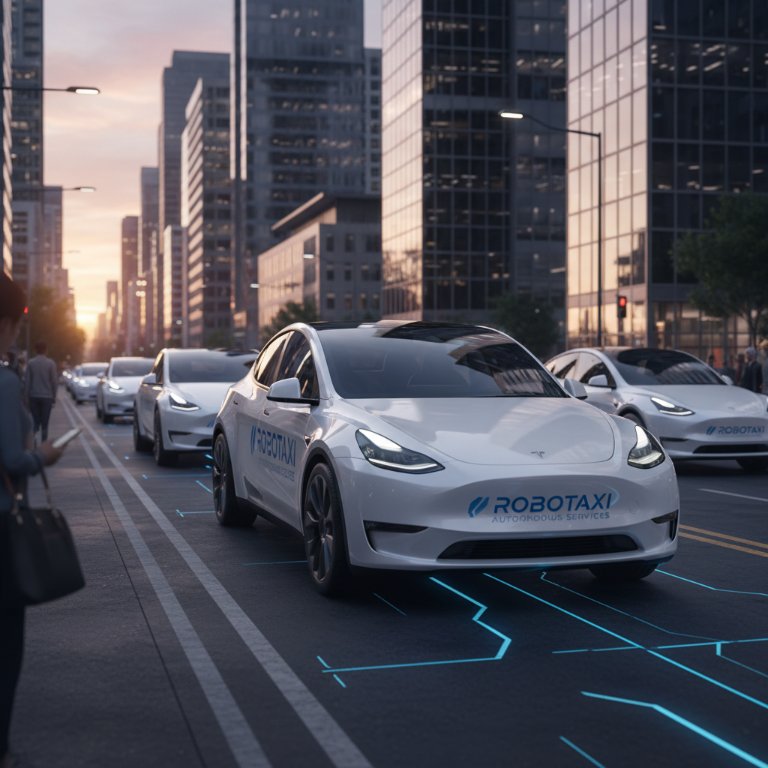
Tesla has strategically expanded its Model Y lineup in the United States, introducing a new, more accessible All-Wheel-Drive (AWD) configuration and bringing the total versions to five. This move, which also reintroduces a 7-seat option for the Model Y Premium AWD, is a critical signal of Tesla's unwavering commitment to its fully autonomous future and the rollout of its ambitious Robotaxi services. For savvy EV enthusiasts and prospective buyers, this isn't merely a product update; it's a window into Tesla's evolving priorities, potentially placing long-term autonomous aspirations ahead of current market demands for larger, more traditional SUV offerings.
Expanding the Model Y's Reach
The introduction of the new, more accessible AWD variant significantly broadens the Model Y's appeal and market penetration in the U.S. By offering a greater range of price points and configurations, Tesla aims to make its popular compact SUV a more viable option for a wider customer base. This expanded lineup now includes five distinct versions, offering consumers more choices in performance and range. Critically, the 7-seat option has returned for the Model Y Premium AWD, providing enhanced utility for families or those requiring occasional extra passenger capacity. Priced at approximately $2,500, this third row, while compact and best suited for children on shorter trips, adds flexibility and allows the Model Y to better compete with other three-row electric crossovers.
Beyond the seating, the Premium and Performance variants also receive an upgraded 16-inch QHD display, boasting higher resolution and more usable screen area than the previous 15.4-inch unit, along with a new black headliner for a more unified interior aesthetic.
The Robotaxi Imperative Takes Center Stage
This strategic evolution of the Model Y lineup directly aligns with Tesla's long-held vision of a fully autonomous future powered by its Robotaxi fleet. For years, Elon Musk has championed Full Self-Driving (FSD) and the eventual deployment of a driverless ride-sharing network, envisioning a paradigm shift from selling cars to generating revenue through operation. The Model Y, with its proven platform and increasing market presence, is poised to become a foundational vehicle for this ambitious endeavor. Expanding its variants and offering a 7-seat option could enable higher passenger capacity in a future Robotaxi scenario, increasing per-vehicle revenue potential.
While a purpose-built Cybercab robotaxi is in the works, with production planned for April 2026, current Model Y vehicles running FSD are central to the initial robotaxi service. Tesla’s continued focus on refining FSD and deploying it across its existing fleet, including the expanded Model Y range, is crucial for validating its technology and laying the groundwork for a scalable autonomous future. This strategy underscores the company's commitment to transitioning into an 'AI company' where hardware serves as the platform for lucrative software and service offerings.
Why This Matters:
This latest Model Y strategy reveals Tesla’s unwavering commitment to its long-term autonomous driving vision, even if it means diverging from some immediate market trends. This is a clear signal that the company views the Model Y not just as a consumer vehicle, but as a versatile platform for its future Robotaxi services and wider autonomous ecosystem. For consumers, the immediate win is a more accessible and versatile Model Y, especially for those needing occasional seven-seat capacity.
However, this strategic prioritization also implies a calculated trade-off. By focusing resources on expanding and optimizing the Model Y as a Robotaxi platform, Tesla appears to be postponing the development of potentially larger, purpose-built SUVs that a segment of the current market actively demands. This could be perceived as a 'loss' for buyers seeking a more traditional, larger Tesla SUV in the near future, potentially ceding that market share to competitors like Rivian or traditional automakers rapidly electrifying their SUV lineups. The overarching message to the market is clear: Tesla's future is intrinsically linked to the success of Full Self-Driving and Robotaxis. This is a high-stakes bet, reinforcing that Tesla's growth model is increasingly shifting from pure vehicle sales to a service-based revenue stream.
The success of this strategy hinges entirely on Tesla achieving widespread regulatory approval and consumer trust in its autonomous technology, which remains a significant hurdle.
Conclusion
Tesla's nuanced expansion of the Model Y lineup, particularly with the more accessible AWD and 7-seat option, extends beyond simple product diversification. It is a calculated, strategic maneuver to solidify the Model Y's role as the backbone for its imminent Robotaxi services and a fully autonomous future. While this sharp focus may mean a slower pace for traditional larger SUV development, it firmly establishes Tesla's long-term priorities, positioning the company as an 'AI company' where software and autonomy drive the next era of growth. The automotive world watches intently as this ambitious strategy unfolds, demonstrating whether Tesla can successfully transform its fleet into a profitable autonomous network.