Tesla Model X Defies Market Slump, Becomes America's Fastest-Selling Used EV
In a used car market increasingly characterized by stagnation, the Tesla Model X has emerged as an undeniable outlier, claiming the title of America's...
Editorial Team
World Of EV
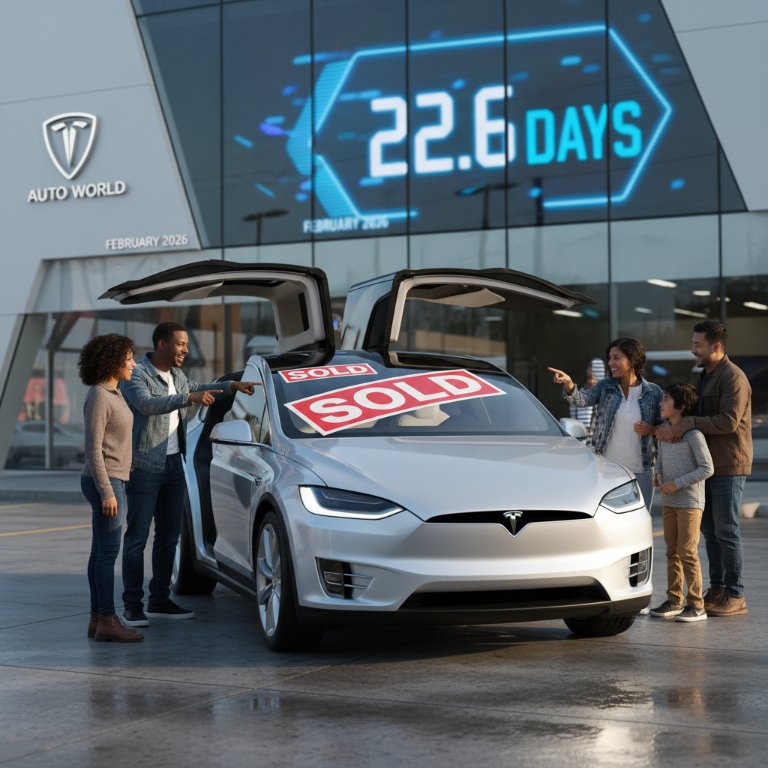
In a used car market increasingly characterized by stagnation, the Tesla Model X has emerged as an undeniable outlier, claiming the title of America's fastest-selling used vehicle in February 2026. According to an iSeeCars analysis of over 960,000 used car sales, the premium electric SUV spent an average of a mere 22.6 days on the market. This remarkable performance stands in stark contrast to the broader used car landscape, which saw average days on the lot jump 40.6% year-over-year, settling at a sluggish 53 days in February 2026. The Model X's swift turnover signals robust consumer demand and a profoundly positive owner perception for Tesla's flagship SUV.
A Market Anomaly Amidst Headwinds
February 2026 marked the slowest month for used car sales since January 2024, with inventory levels also experiencing a slight month-over-month decrease nationally. Despite this generally slowing market and rising interest rates impacting luxury vehicle demand, the Model X didn't just outperform the average; it more than halved the typical selling time for a used vehicle. For perspective, the next fastest-selling used vehicles, including the Mercedes-Benz EQS SUV and the Tesla Cybertruck, trailed the Model X by nearly five days, averaging closer to 27 days on the market.
The Enduring Appeal of Tesla's Flagship SUV
The sustained demand for the used Model X is a testament to its unique blend of innovative features and Tesla's integrated ecosystem. Key drivers include:
- Falcon Wing Doors: These distinctive double-hinged doors provide unparalleled ingress and egress to the rear seats, remaining a head-turning and highly practical design element.
- Significant Range: Model X variants offer impressive EPA-estimated ranges, with the Long Range version providing up to 352 miles, a crucial factor for EV buyers mitigating range anxiety.
- Over-the-Air (OTA) Updates: Tesla's ability to push wireless software updates continuously improves features, performance, and safety, effectively future-proofing older models and maintaining their relevance in a rapidly evolving EV landscape.
- Supercharger Network Access: Access to Tesla's extensive and reliable Supercharger network remains a significant competitive advantage, offering fast and seamless charging experiences across North America and globally.
These elements collectively foster a positive owner perception, which translates directly into strong consumer demand on the used market. Even past concerns regarding build quality, which sometimes plagued earlier Tesla models, appear to have little impact on buyer decisions for the used Model X.
Why This Matters:
This iSeeCars analysis delivers a powerful message to savvy EV enthusiasts, prospective buyers, and industry professionals alike. The Model X's dominance in a decelerating used market underscores several critical long-term implications:
- Validation of Tesla's Ecosystem: The Model X's rapid sales validate Tesla's holistic approach, demonstrating that its integrated software, charging infrastructure, and unique hardware features create enduring value far beyond the initial purchase. This is a clear win for Tesla, reinforcing brand loyalty and attracting new buyers into its ecosystem.
- Strong Residuals for Owners: For current Model X owners, this news is excellent. Their vehicles are retaining value and finding new homes quickly, signaling robust residual values. This can significantly reduce the overall cost of ownership, a key consideration for premium EV buyers. In a market where some EVs have seen steeper depreciation due to rapid technological advancements or new model pricing shifts, the Model X stands out.
- A Challenge to Premium EV Competitors: The Model X's performance highlights the ongoing struggle for traditional luxury automakers entering the EV space (e.g., Mercedes-Benz EQS SUV, BMW iX, Audi Q8 e-tron). While new luxury EVs are plentiful, building a secondary market with comparable demand requires more than just performance or luxury appointments; it demands a compelling, integrated experience and a proven track record. Without Tesla's established software prowess and charging network, competitors will continue to face an uphill battle in the used premium EV segment.
- Market Signal for Quality and Trust: The Model X's success signals that used EV buyers are prioritizing proven technology, reliability, and an established support system. This indicates a maturing used EV market where consumers are increasingly educated and discerning, gravitating towards vehicles that offer a complete and confident ownership experience, even second-hand.
Conclusion:
The Tesla Model X's stellar performance in the February 2026 used car market is more than just a fleeting statistic; it's a profound indicator of enduring product strength and a robust brand ecosystem. For "World Of EV" readers, this reinforces the notion that while the EV market continues to evolve, vehicles offering a compelling blend of innovation, utility, and integrated support will continue to command strong demand and excellent value, ensuring a vibrant future for premium used electric vehicles.