Tesla Loyalty Tested: Veteran Model 3 Owner Eyes Exit Amidst Stagnation and Intense EV Competition
The electric vehicle landscape, once largely dominated by Tesla's groundbreaking innovations, now faces a pivotal moment. A recent report from a long-...
Editorial Team
World Of EV
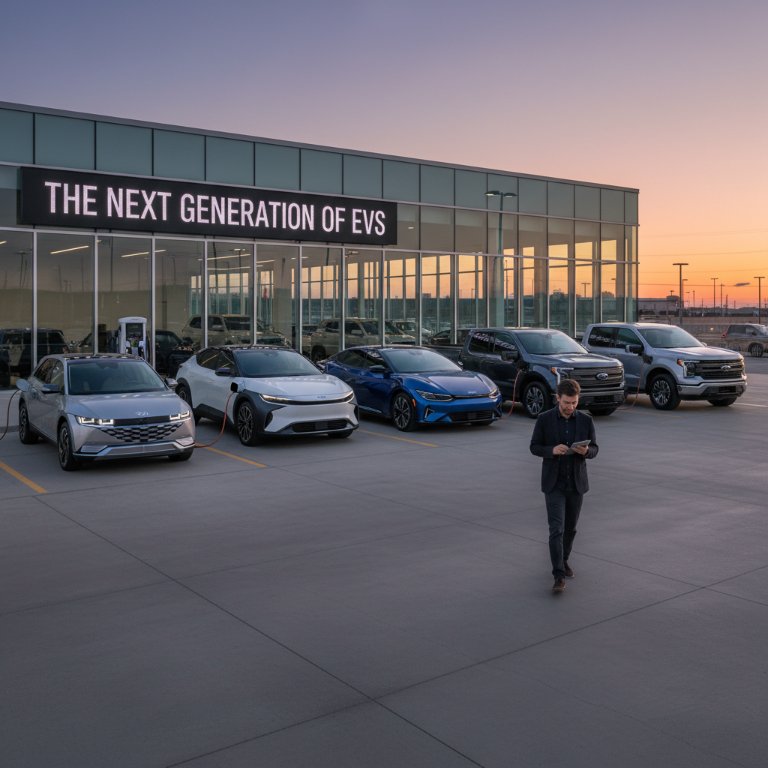
The electric vehicle landscape, once largely dominated by Tesla's groundbreaking innovations, now faces a pivotal moment. A recent report from a long-term PCMag contributor, a devoted Tesla Model 3 owner for eight years, signals a growing sentiment among early EV adopters: the allure of newer, more feature-rich alternatives. This isn't just about a single owner's preference; it represents a broader shift in consumer expectations and the intensifying competition Tesla now faces in a maturing market.
Since its introduction in 2017, the Tesla Model 3 has been a defining figure in the EV revolution, pioneering accessibility and performance for the mass market. Yet, as the industry rapidly evolves, some loyalists feel Tesla's focus has shifted predominantly towards ambitious autonomy projects and the niche Cybertruck, leaving its core lineup, particularly the Model 3, feeling less refreshed compared to rivals. This perceived stagnation in model updates and interior refinements is pushing discerning buyers to explore a burgeoning field of compelling non-Tesla options.
The Shifting Landscape for EV Pioneers
The PCMag contributor's eight-year journey with a Model 3 highlights the early excitement of owning a cutting-edge EV. However, the market has caught up and, in many aspects, surpassed Tesla's offerings in terms of standard features and modern design. While Tesla did introduce a refresh for the Model 3, it's considered a mild facelift by industry standards, not a complete redesign. This contrasts sharply with the rapid innovation seen from other manufacturers.
Key considerations for this veteran EV owner when evaluating a new vehicle now extend beyond just range and performance, areas where Tesla once held an uncontested lead. The demand for a more holistic, user-friendly experience is paramount, emphasizing connectivity, convenience, and a wider array of standard features.
Contenders Emerge: Features Driving the Switch
Several upcoming non-Tesla EVs are catching the eye of this seasoned enthusiast, showcasing the diverse and advanced options now available. These include:
- 2026 Hyundai Ioniq 5: This electric SUV is praised for its distinctive styling, rapid charging speeds, and a compelling blend of range, space, and personality. The 2026 model year is expected to incorporate a North American Charging Standard (NACS) port, offering access to the extensive Tesla Supercharger network without needing an adapter.
- 2025 Kia EV6: The EV6 receives an extensive update for 2025, including refreshed styling, larger batteries for increased range, and the adoption of a Tesla-style NACS charge port. It also brings an updated panoramic infotainment system and standard wireless Apple CarPlay and Android Auto.
- 2026 Toyota bZ XLE: Toyota's 2026 bZ (formerly bZ4X) is poised for significant advancements. The XLE model is projected to offer up to 314 miles of range, a substantial increase, and will feature a NACS charging port, providing access to Tesla's Supercharger network. It will also boast a restyled exterior, a new instrument panel with a larger 14-inch touchscreen, and dual wireless smartphone chargers.
Beyond these models, the critical features influencing a potential switch highlight where the market has evolved: a native NACS port for seamless charging, robust range, competitive pricing, and crucial convenience features like wireless Apple CarPlay and Android Auto, reliable remote app connectivity, and consistent over-the-air (OTA) software updates.
Why This Matters:
This trend among early Tesla adopters signals a crucial maturation of the EV market. For years, Tesla enjoyed a unique position, offering cutting-edge technology with little direct competition. Now, legacy automakers are no longer playing catch-up; they are actively innovating, often excelling in areas like interior refinement, traditional automotive luxury, and intuitive infotainment features that appeal to a broader customer base. The widespread adoption of NACS by nearly every major automaker for their 2025 model year EVs, including Hyundai, Kia, and Toyota, further erodes one of Tesla's key competitive advantages: its Supercharger network.
Who Wins? Consumers, first and foremost, as competition drives innovation, feature density, and potentially more attractive pricing. Automakers like Hyundai and Kia, leveraging dedicated EV platforms such as E-GMP, are rapidly gaining ground by offering compelling designs, advanced technology, and a focus on user experience. Toyota, with its revitalized bZ lineup, demonstrates a serious commitment to addressing past shortcomings and re-establishing its presence in the EV space.
Who Loses? Potentially, Tesla. While still a market leader, a significant portion of its early loyalists are now open to exploring other brands. Tesla's unwavering focus on Full Self-Driving (FSD) and a limited, incrementally updated product lineup risks alienating buyers who prioritize a well-rounded, feature-rich vehicle today over future autonomy promises. This could lead to a continued decline in customer loyalty and market share as more appealing alternatives flood the market.
What This Signals: The EV market is no longer solely about range and acceleration; it's about the complete ownership experience. Buyers expect seamless charging, intuitive infotainment with smartphone integration, reliable software updates that improve the vehicle over time, and a comfortable, refined interior. Automakers that can deliver this holistic package, blending advanced EV technology with traditional automotive excellence, are poised for significant growth.
Conclusion:
The era of unquestioning Tesla dominance is fading as the EV market enters a new phase of intense competition and diverse offerings. The willingness of long-term Tesla owners to consider rival EVs underscores a fundamental shift in consumer priorities. As manufacturers continue to roll out sophisticated, feature-packed vehicles with universal charging capabilities, Tesla faces the critical challenge of evolving its strategy to retain its foundational customer base and address the growing demands of a maturing electric vehicle industry. The future of EV adoption hinges on a comprehensive approach that prioritizes the driver's total experience, not just technological leaps in niche areas.