Software Setback Strikes Honda Prologue and Acura ZDX: A Crucial Test for Honda's EV Ambitions
Honda and Acura's ambitious foray into the mainstream electric vehicle market faces an early challenge as the automakers announce a significant recall...
Editorial Team
World Of EV
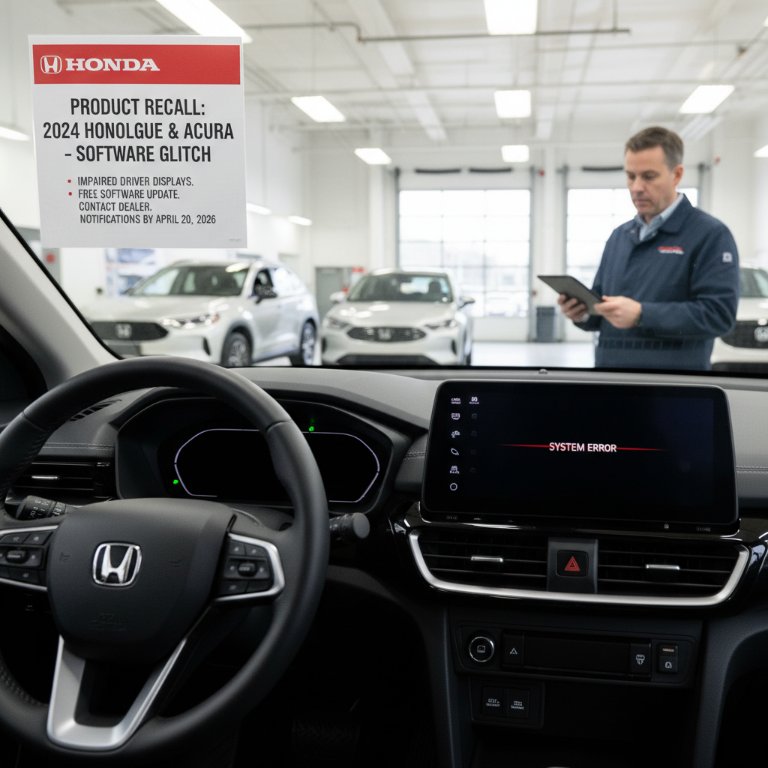
Honda and Acura's ambitious foray into the mainstream electric vehicle market faces an early challenge as the automakers announce a significant recall impacting 65,135 units of the 2024 Honda Prologue and 2024 Acura ZDX. This software-related issue, affecting critical driver displays, serves as a stark reminder of the complexities inherent in the modern, software-defined vehicle era, particularly for traditional manufacturers transitioning to electric platforms.
These vehicles represent a pivotal moment for both brands, leveraging General Motors' Ultium platform as a cornerstone for their initial volume EV offerings. The Prologue and ZDX are more than just new models; they are statements of intent, signaling Honda's commitment to electrification after a cautious approach in earlier years, which saw vehicles like the Honda e remain niche offerings. This recall, therefore, hits at a critical juncture, potentially dampening the initial excitement for these crucial EVs.
The Software Glitch at a Glance
The core of the problem lies within a software fault in the Radio Control Module (RCM). This defect has the potential to disable vital driver information and safety systems, creating a significant safety risk on the road. The affected displays include:
- Rearview cameras
- Instrument clusters
- Warning lights
Such a comprehensive failure of driver interfaces is not merely an inconvenience; it constitutes a serious safety hazard, directly violating federal safety standards. This isn't a minor bug; it's a fundamental flaw impacting the driver's ability to safely operate the vehicle and receive crucial alerts.
Understanding the Root Cause and Resolution
Honda attributes this widespread issue to six independent software defects that collectively compromise the RCM's functionality. While the exact technical details of these six defects remain proprietary, their cumulative effect highlights the immense challenge in integrating complex software systems into modern vehicles.
The good news for affected owners is that a fix is readily available. Authorized dealers will perform a free software update to rectify the bug, ensuring the RCM functions as intended and all critical displays remain operational. Owners can expect to receive notification of the recall by April 20, 2026. Crucially, newer 2025 models of both the Prologue and ZDX are unaffected by this recall, as corrected software was integrated directly into their production, demonstrating a swift, albeit after-the-fact, response to the identified flaw.
Why This Matters:
This recall is more than just a logistical challenge for Honda and Acura; it's a critical early test of their software capabilities and their partnership with GM on the Ultium platform. For Honda, a company known for its meticulous engineering and reliability, a software-driven safety recall on its flagship EVs is particularly jarring. It underscores the industry-wide shift where software is no longer a secondary component but a primary determinant of vehicle functionality, safety, and brand reputation.
- Impact on Buyer Confidence: For prospective EV buyers, particularly those considering Honda's first mainstream electric offerings, this recall could introduce a degree of hesitation. Early adopters often tolerate some growing pains, but critical safety system failures can erode trust quickly.
- Software is the New Battleground: This incident vividly illustrates that legacy automakers must rapidly mature their software development and integration processes to compete effectively with EV-native companies like Tesla, which, despite their own software quirks, have largely set the standard for over-the-air updates and software-defined features. Honda's reliance on GM's Ultium platform was meant to accelerate its EV transition, but this episode highlights the shared complexities and potential vulnerabilities of such collaborations.
- Long-Term Implications for Honda's EV Strategy: While quickly addressed for 2025 models, this recall on launch-year vehicles demands flawless execution of the fix and proactive communication to owners. How Honda manages this perception and ensures future software integrity will be crucial for the Prologue and ZDX to establish themselves as credible contenders in the fiercely competitive EV market. A smooth resolution could reinforce confidence, but any further software missteps could significantly impede their long-term EV aspirations.
Looking Ahead
The recall of the 2024 Honda Prologue and Acura ZDX for software-related display issues serves as a potent reminder of the inherent complexities and evolving challenges in the electric vehicle landscape. While the fix is straightforward, the incident underscores the intense scrutiny on software integrity in new EVs. Honda and Acura's ability to swiftly and effectively resolve this issue, and prevent future occurrences, will be paramount in solidifying the reputation of their nascent electric vehicle lineup and reassuring a discerning market of savvy EV enthusiasts and prospective buyers.