Skoda's 2026 Elroq and Enyaq Unleash LFP Power and V2L Versatility, Sharpening European EV Edge
Skoda Auto is not merely refreshing its popular electric SUV lineup for the 2026 model year; it's making a profound strategic statement. The forthcomi...
Editorial Team
World Of EV
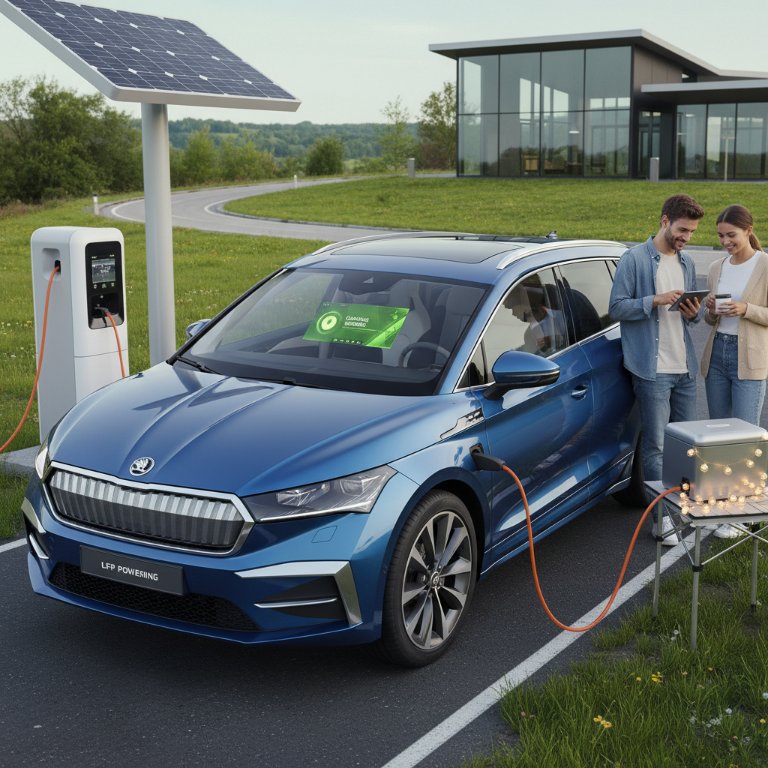
Skoda Auto is not merely refreshing its popular electric SUV lineup for the 2026 model year; it's making a profound strategic statement. The forthcoming Elroq and Enyaq models arrive with a comprehensive suite of upgrades focusing on software, usability, and efficiency, signaling Skoda's serious intent to fortify its position within the fiercely competitive European EV market. This isn't just about updated aesthetics; it's about a fundamental enhancement of the ownership experience, directly addressing critical areas of modern EV appeal and practicality.
While the Enyaq has already carved out a respectable niche as a practical, value-driven family EV, the market demands relentless innovation. This refresh positions Skoda to better compete against both established players and aggressive new entrants by integrating cutting-edge battery technology and intelligent features that truly resonate with discerning EV buyers.
Powering Up: LFP Batteries and Smarter Charging
At the core of Skoda's 2026 strategy lies a significant shift in battery chemistry: the widespread adoption of cost-effective Lithium Iron Phosphate (LFP) batteries. This move is more than a technical detail; it's a strategic pivot with substantial implications for both Skoda and its customers.
- Cost Efficiency: LFP batteries are inherently less expensive to produce than traditional Nickel Manganese Cobalt (NMC) or Nickel Cobalt Aluminum (NCA) chemistries, allowing Skoda to potentially offer more competitive pricing or reinvest savings into other features.
- Enhanced Durability: LFP cells boast superior cycle life, meaning they can be charged and discharged more times before significant degradation, potentially leading to a longer battery lifespan for owners.
- Improved Thermal Stability: LFP batteries are known for their greater thermal stability, contributing to enhanced safety.
- Reduced Resource Reliance: They bypass the need for scarce and often ethically contentious materials like cobalt, aligning with broader sustainability goals.
This move mirrors strategies seen from industry giants like Tesla and BYD, who have leveraged LFP technology for their standard range models to offer better value and more robust performance in everyday use. Complementing this, Skoda is integrating smarter charging capabilities, though specific details remain under wraps, this will undoubtedly aim to optimize charging times, reduce costs for owners, and enhance battery longevity through intelligent algorithms.
Beyond the Drivetrain: Software, Usability, and Connectivity
Beyond the battery chemistry, Skoda is making critical strides in areas that define the modern EV experience: software, driver assistance, and vehicle utility. The Volkswagen Group, of which Skoda is a part, has openly acknowledged past challenges with software stability and user experience in its early MEB platform vehicles. These 2026 refreshes appear to directly tackle those concerns.
- Improved Software: The promise of “improved software” indicates a commitment to a more intuitive, responsive, and bug-free infotainment and vehicle operating system, crucial for customer satisfaction in an increasingly digital automotive landscape.
- Enhanced Driver Assist Technology: While specifics are yet to be fully detailed, 'enhanced driver assist technology' suggests updates to features like adaptive cruise control, lane-keeping assistance, and potentially more sophisticated semi-autonomous driving capabilities, boosting both safety and convenience.
- Vehicle-to-Load (V2L) Functionality: A significant addition is V2L, which transforms the Elroq and Enyaq into mobile power banks, capable of supplying electricity to external devices. This feature, popularized by models like the Hyundai Ioniq 5 and Kia EV6, offers immense practical value for camping, outdoor activities, or as an emergency power source.
- Refined One-Pedal Driving: The inclusion of refined one-pedal driving with two levels of regenerative braking offers drivers greater control over deceleration and energy recuperation, contributing to a smoother driving experience and potentially extending range.
Why This Matters:
This comprehensive refresh signals a maturation of Skoda's, and by extension, the Volkswagen Group's, electric vehicle strategy. For the everyday EV buyer, this translates into a more refined, practical, and potentially more affordable ownership proposition. The adoption of LFP batteries is a clear win, offering greater durability and cost-effectiveness that could trickle down into more accessible pricing for a highly competent SUV. The integration of V2L functionality isn't just a gimmick; it's a genuine utility that significantly enhances the vehicle's versatility, placing Skoda firmly in line with premium EV offerings that prioritize functionality beyond mere transport. Improved software and driver-assist systems directly address past pain points and boost confidence in the brand's technological prowess.
In essence, Skoda is making a bold play for the heart of the European EV market. By focusing on critical pain points—cost, usability, and practical features—the Elroq and Enyaq refreshes position the brand not just as a competent EV manufacturer, but as a leader in delivering intelligent, value-driven electric mobility. This move puts pressure on competitors who might be slow to adopt LFP or integrate advanced utility features, ensuring Skoda remains a formidable force in Europe's rapidly electrifying automotive landscape.
Skoda's 2026 Elroq and Enyaq refreshes represent more than just model year updates; they are a clear declaration of intent. By prioritizing practicality, cost-effectiveness through LFP batteries, advanced software, and versatile features like V2L, Skoda is not just keeping pace but actively shaping the future of accessible, high-quality electric mobility in Europe. These enhanced models promise a more intelligent, robust, and utterly practical ownership experience, solidifying Skoda's critical role in the ongoing EV transition.