Rivian's R2 Strategy: A $45,000 Bet on Volume, LiDAR, and Long-Term Survival
Rivian Automotive is making its boldest move yet, heavily prioritizing the launch of its R2 mid-size SUV in the first half of 2026. With a projected s...
Editorial Team
World Of EV
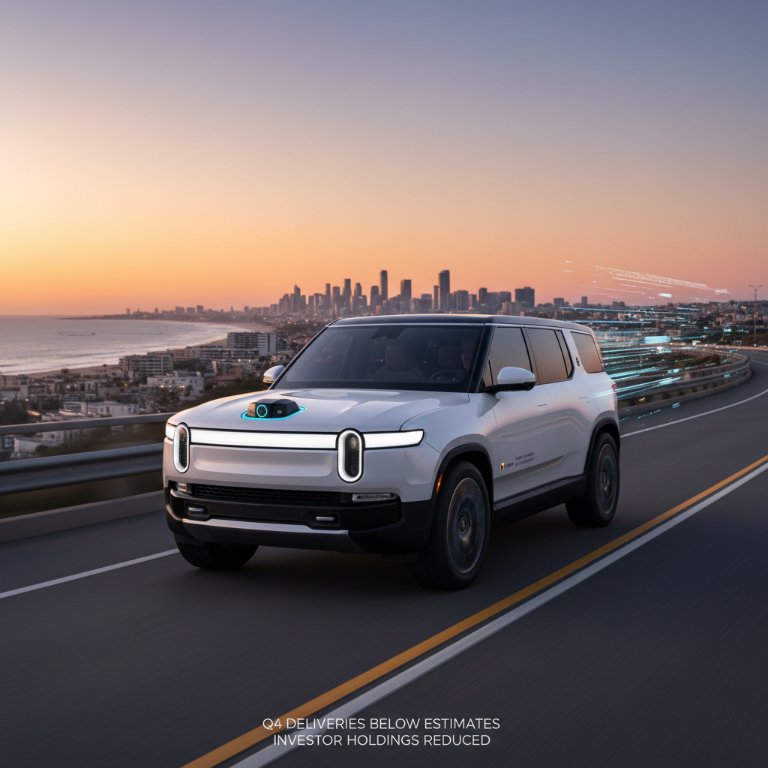
Rivian Automotive is making its boldest move yet, heavily prioritizing the launch of its R2 mid-size SUV in the first half of 2026. With a projected starting price of $45,000, significantly lower than its current R1 models, the R2 is not just a new vehicle; it’s a strategic pivot designed to catapult Rivian from a niche premium player into the high-volume segments dominated by the likes of Tesla and traditional automakers.
After establishing itself with the acclaimed, albeit expensive, R1T pickup and R1S SUV, Rivian has faced the formidable challenge of scaling production and expanding its market reach. The R1 models, known for their adventure-focused design and premium performance, have appealed to a specific, affluent demographic. The R2 represents a decisive effort to break out of this niche, addressing the critical need for a more accessible offering that can drive the company's long-term growth and profitability.
The R2: Rivian's High-Stakes Volume Play
The R2's anticipated arrival in the first half of 2026 marks a crucial juncture for Rivian. Its projected $45,000 starting price immediately positions it as a direct competitor to popular mid-size electric SUVs such as the Tesla Model Y, Ford Mustang Mach-E, and upcoming entries from Hyundai, Kia, and General Motors. This price point, a dramatic reduction from the R1S models which often start well above $70,000, aims to unlock a vastly larger pool of prospective buyers. For consumers, this means the distinctive Rivian design language and robust capabilities could soon be within reach of a broader audience, offering a compelling alternative in an increasingly competitive segment.
LiDAR-Enhanced Autonomy Takes Center Stage
Beyond its accessible price tag, the R2 is poised to introduce a significant technological advancement for Rivian: the integration of a front-facing long-range LiDAR system. This critical sensor will be included in the R2 starting in late 2026, forming a core component of Rivian’s autonomous driving development. The company explicitly states its commitment to a sensor fusion approach, blending LiDAR data with other sensors like cameras and radar to build a more robust and reliable self-driving system.
Crucially, Rivian plans for every LiDAR-equipped R2 to serve as a 'ground-truthing vehicle,' continuously providing real-world data to refine and accelerate the development of its self-driving capabilities. This strategy stands in stark contrast to Tesla's vision-only approach, aligning Rivian with a growing consensus among autonomous driving experts who view LiDAR as essential for superior 3D perception, especially in challenging lighting and weather conditions. This move signals Rivian's serious commitment to delivering advanced, and potentially safer, autonomous features.
Navigating Current Headwinds and Investor Scrutiny
Despite these forward-looking plans, Rivian is not without its current challenges. The company's Q4 deliveries were slightly below estimates, a signal to the market of the ongoing difficulties in scaling production efficiently. Furthermore, Great Lakes Advisors LLC reportedly cut its holdings in the company by over 50%, highlighting a degree of investor skepticism and the immense pressure on Rivian to demonstrate a clear path to sustained profitability and market expansion. These financial signals underscore the critical importance of the R2's successful launch and production ramp.
Why This Matters:
The R2 is undeniably a make-or-break vehicle for Rivian. Its success will determine if the company can effectively transition from a niche luxury EV manufacturer to a significant player in the broader automotive market. For Rivian, this means:
- Long-Term Viability: The R2 is their best shot at achieving the production volumes and revenue streams necessary for sustained profitability and competition against industry giants. Failure to execute could lead to significant financial strain and diminished investor confidence.
- Market Position: Successfully launching the R2 at the $45,000 price point would allow Rivian to directly challenge the dominant players in the mid-size SUV segment, particularly the Tesla Model Y, carving out a substantial market share.
For consumers, the R2 signals:
- Accessibility: A Rivian product within a more affordable price bracket opens up the brand’s unique blend of rugged capability and premium design to a much wider audience.
- Advanced Autonomy: The inclusion of LiDAR and a sensor fusion strategy suggests a commitment to robust, potentially safer, autonomous driving features, offering a compelling alternative to camera-centric systems.
For the broader automotive industry, Rivian's R2 strategy:
- Validates LiDAR: Rivian’s adoption of LiDAR for its autonomy stack, coupled with its aggressive data collection strategy, further validates the multi-sensor fusion approach, potentially influencing other OEMs to reconsider their strategies, especially those leaning heavily on vision-only systems.
- Intensifies Competition: The mid-size EV SUV market is about to become even more competitive and technologically advanced, benefiting consumers with more choice and innovation.
Conclusion
The R2 is more than just a new product launch; it's a strategic imperative for Rivian. Its success hinges on capturing a broader market segment and delivering on the promise of advanced autonomous features, all while navigating the volatile financial landscape and the demands of scaling production. The coming years will be pivotal in determining whether Rivian can successfully translate its premium brand appeal into mass-market success and secure its place among the EV elite.