Rivian Unleashes Unprecedented Incentives: A Strategic Gambit for Market Dominance
Rivian, once celebrated for its innovative direct-to-consumer model and robust order backlog, is dramatically shifting its sales strategy, rolling out...
Editorial Team
World Of EV
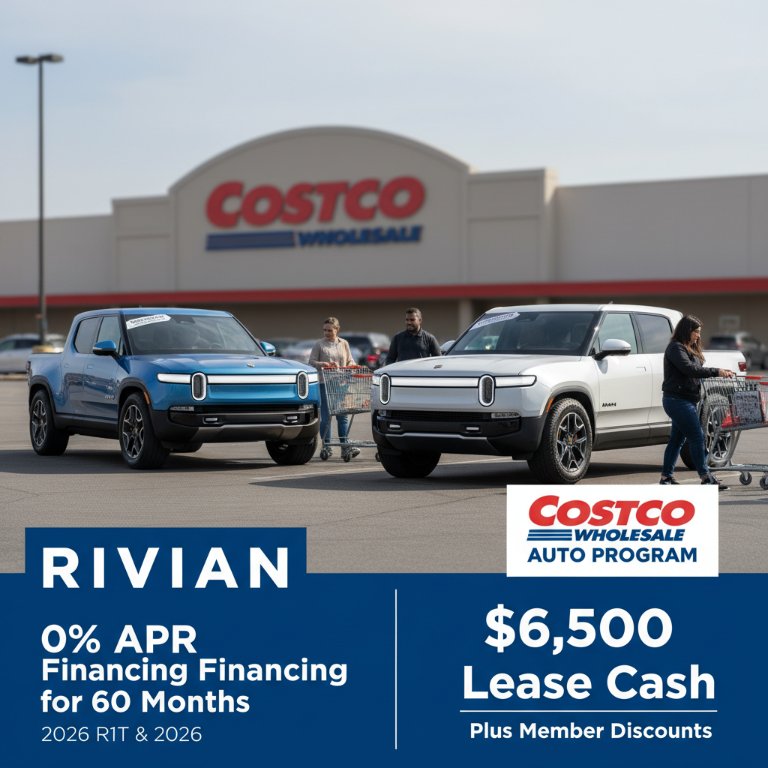
Rivian, once celebrated for its innovative direct-to-consumer model and robust order backlog, is dramatically shifting its sales strategy, rolling out its most aggressive ownership incentives to date. This move signals a pivotal moment for the Irvine, California-based automaker, as it navigates an increasingly competitive electric vehicle landscape and seeks to accelerate sales velocity. The incentives, featuring 0% APR financing and substantial lease contributions, coupled with a strategic partnership with retail giant Costco, underscore Rivian’s intent to broaden its appeal and solidify its market position.
For years, Rivian cultivated a premium brand image, relying on pre-orders and a direct sales approach that largely sidestepped traditional discounting. However, as the EV market matures and competition from established players like Ford with its F-150 Lightning and newcomers like Tesla’s Cybertruck intensifies, the imperative to drive volume has clearly taken precedence. This aggressive pivot reflects a necessary adaptation to current market realities, moving beyond the early adopter phase to court a wider, more value-conscious consumer base.
Rivian's New Financial Lures
Rivian is now offering compelling financial incentives designed to lower the barrier to entry for prospective owners. Savvy buyers can capitalize on:
- 0% APR Financing for 60 Months: This unprecedented offer applies to select 2026 R1T pickup and R1S SUV configurations. For a premium EV, zero-interest financing over five years represents a significant saving, directly addressing concerns about high interest rates in today's economic climate.
- $6,500 Lease Cash Contribution: Qualifying Dual Motor vehicles equipped with either the Large or Max battery packs and Performance Upgrades are eligible for a substantial $6,500 lease cash contribution. This directly reduces the upfront costs and monthly payments for leasing, making these high-performance variants more accessible.
These offers position Rivian competitively against rivals who often leverage similar incentives to stimulate sales, marking a departure from Rivian's historical reluctance to engage in such widespread promotions.
Tapping the Costco Colossus
In a strategic move to expand its reach beyond its traditional customer base, Rivian has also partnered with Costco to integrate into their respected Auto Program. This collaboration is designed to:
- Access Costco’s Extensive Member Base: Costco boasts millions of loyal members known for their purchasing power and brand loyalty. This partnership opens up a massive new funnel of potential buyers who might not have otherwise considered a Rivian.
- Drive Demand Through Exclusive Discounts: While specific Costco member discounts were not detailed, their Auto Program typically offers pre-arranged, competitive pricing, providing another avenue for Rivian to stimulate demand and reach customers through a trusted, high-volume retail channel.
This move signals a recognition that, to scale, Rivian needs to tap into established consumer networks, moving beyond its initial niche appeal.
Tight Timelines for Tempting Deals
Potential buyers must act swiftly to take advantage of these aggressive offers. To qualify, customers need to secure an approved financing offer by March 3, 2026, and must take delivery of their new Rivian by March 31, 2026. This tight window creates a sense of urgency, encouraging immediate purchasing decisions before the quarter closes.
Why This Matters:
This aggressive push from Rivian is far more than just a typical sales promotion; it’s a critical strategic maneuver with long-term implications for the company and the broader EV market. For Rivian, these incentives are a direct response to the pressures of scaling production, managing inventory, and needing to generate consistent cash flow to support future product development, notably the upcoming R2 and R3 platforms. It suggests that while demand for its innovative vehicles remains, the era of relying solely on brand allure and early adopter enthusiasm is evolving into a more traditional sales environment. This is a "do-or-die" moment for Rivian to convert interest into firm sales, demonstrate sustained growth to investors, and secure a firmer footing in the premium EV segment.
Who wins? Clearly, the consumer wins, gaining access to premium Rivian vehicles at significantly more attractive financial terms. Rivian also stands to gain if these incentives effectively clear inventory, boost sales volume, and improve economies of scale, moving closer to profitability. The Costco partnership is a win for both companies, expanding Rivian’s market reach and offering value to Costco members.
Who loses? Perhaps only early Rivian adopters who paid full price without the benefit of these offers. Competitors, especially other premium EV startups, might feel pressure to match these aggressive terms, potentially impacting their margins. More broadly, it signals a market where even highly desirable EVs now require competitive incentives to drive sales volume, indicating a shift from a seller's market to a buyer's market.
This move signals a maturing EV industry, where brand loyalty and technological innovation alone are no longer sufficient to guarantee sales velocity. Companies like Rivian must now employ a full spectrum of traditional automotive sales and marketing tactics to thrive.
Rivian's decision to launch these unprecedented incentives, coupled with its strategic alliance with Costco, marks a significant inflection point for the company. It represents a pragmatic adaptation to a rapidly evolving market, prioritizing sales volume and market penetration. The coming weeks will reveal whether this bold gamble pays off, propelling Rivian into a new phase of growth and solidifying its position as a major contender in the competitive electric vehicle arena.