Renault 5 Redefines EV Value: Strong Resale Signals a Design-Led Market Shift
The automotive world is buzzing with the arrival of the Renault 5 E-Tech Electric, and for good reason. Far from being just another new EV, this retro...
Editorial Team
World Of EV
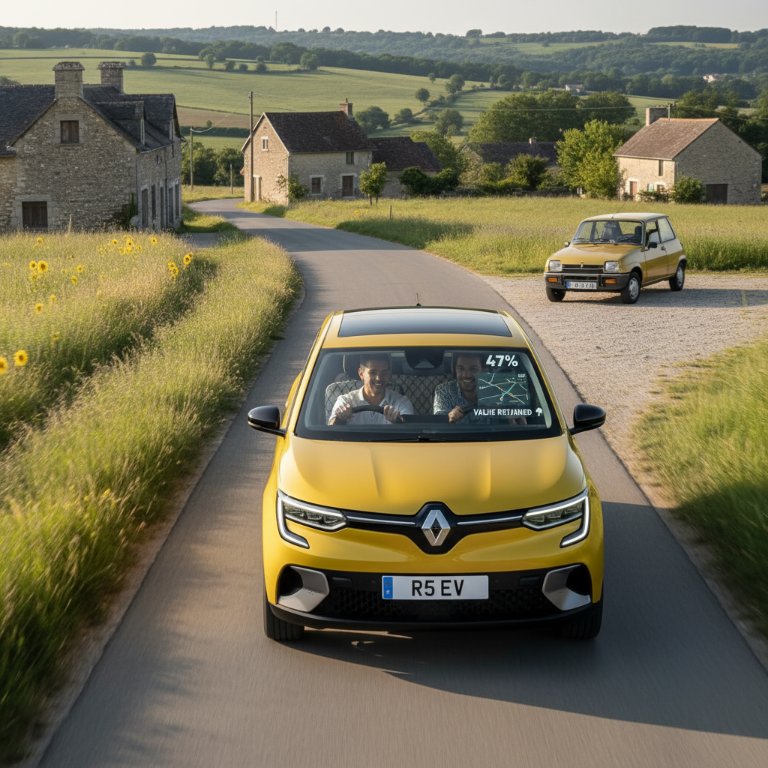
The automotive world is buzzing with the arrival of the Renault 5 E-Tech Electric, and for good reason. Far from being just another new EV, this retro-modern marvel is rapidly garnering acclaim for its profound ability to forge an emotional connection with buyers, a quality often overlooked in the relentless pursuit of range and performance metrics. This isn't merely about good looks; it's about a strategic triumph that positions the R5 as a financial standout in the rapidly evolving electric vehicle landscape.
Renault, a brand with a storied history in both pioneering accessible combustion-engine cars and, more recently, mass-market EVs like the Zoe, is clearly hitting a new stride. The R5 represents a pivot towards design-driven desirability, moving beyond purely utilitarian considerations to tap into a deeper sense of automotive passion. This approach is proving incredibly effective, especially as the market matures and consumers seek more than just efficiency from their electric chariots.
The Driving Experience: More Than Just Miles
Critics are lauding the Renault 5's driving dynamics, describing the experience as genuinely enjoyable – akin to a well-regarded petrol hatchback that inspires confidence on country drives. This feedback is critical; it signifies that the R5 delivers a tactile, engaging experience often missing in some electric vehicles.
- Solid and Comfortable Interior: The cabin provides a reassuring sense of quality and comfort, crucial for daily usability.
- Sufficient Range for Daily Commutes: While not breaking any records, the practical range meets the real-world needs of most urban and suburban drivers, reinforcing its role as a dependable daily driver.
Unprecedented Value Retention Sets a New Benchmark
Perhaps the most compelling aspect of the Renault 5's market entry is its projected strong resale value, a critical differentiator in a segment often plagued by rapid depreciation. The R5 is expected to retain an impressive 47% of its value after three years. This figure significantly outpaces the typical 42% retention for electric vehicles across the board and starkly contrasts with direct competitors like the Vauxhall Corsa Electric, which is projected to retain only 30% of its value over the same period.
This outstanding financial performance isn't accidental. It stems from a potent combination of factors:
- Attractive Pricing: A competitive initial purchase price makes the R5 accessible and appealing.
- Heritage Appeal: The nostalgic design taps into a rich history, giving the car a timeless quality.
- Popular Styling: Its blend of retro charm and modern execution creates a universally appealing aesthetic that stands out in a crowded market.
Why This Matters:
Winners: Prospective R5 buyers clearly win, benefiting from lower total cost of ownership thanks to reduced depreciation. Renault, too, emerges as a significant winner, validating its design-led strategy and potentially paving the way for further heritage-inspired EVs. This success could also encourage other manufacturers to invest more heavily in distinctive design and brand identity rather than solely focusing on technical specifications.
Losers: Competitors relying solely on performance or range without a compelling emotional connection or strong design language will struggle to match the R5's overall appeal and financial advantage. Brands with rapidly depreciating EVs will find it harder to attract value-conscious buyers. This also highlights a potential challenge for brands that neglect strong resale value predictions in their product planning.
Market Signal: This performance signals a maturing EV market where emotional appeal, design, and long-term financial viability are becoming as crucial as, if not more important than, raw specifications. It underscores that for mass-market adoption, an EV needs to be not just practical and efficient, but also desirable and a smart financial investment.
The Renault 5 isn't just a car; it's a statement. Its ability to marry nostalgic charm with modern electric propulsion, all while offering unparalleled value retention, marks a significant moment for the EV industry. This model sets a new standard for how electric vehicles can connect with buyers on a deeper level, ensuring a vibrant future where style and smart economics drive purchasing decisions.