Range Rethink: Why 2026 EVs Still Fall Short on Usable Miles, Fueling Buyer Frustration
The electric vehicle revolution marches on, yet for many prospective buyers, a specter from the early days of EVs continues to haunt the market: range...
Editorial Team
World Of EV
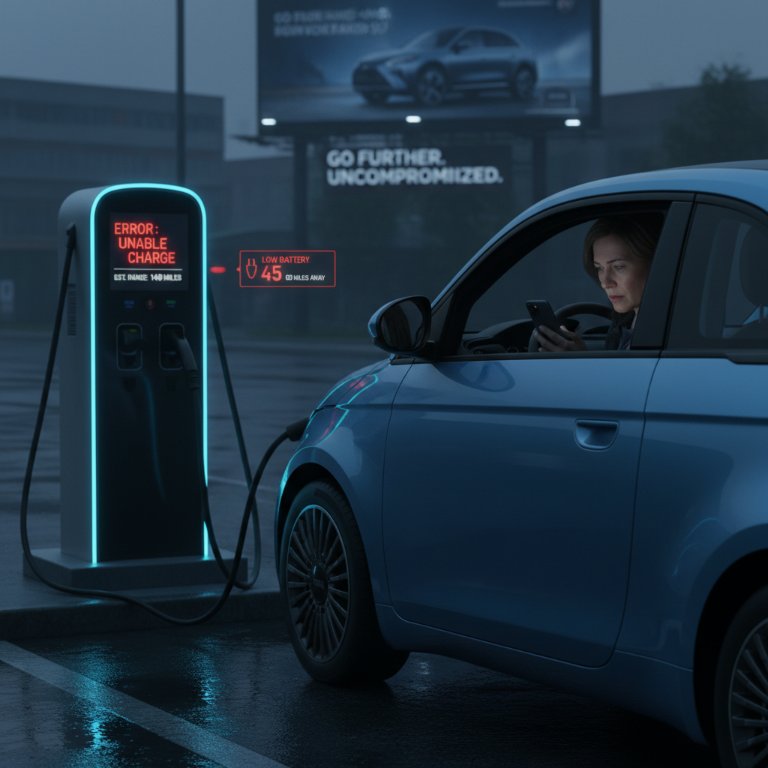
The electric vehicle revolution marches on, yet for many prospective buyers, a specter from the early days of EVs continues to haunt the market: range anxiety. While battery technology has advanced considerably, a troubling trend persists into the 2026 model year, with several key electric vehicles hitting dealerships with ranges that simply do not meet modern consumer expectations, forcing an unacceptable compromise between affordability and real-world usability.
The Persistent Range Problem
Despite years of technological development and growing EV adoption, a significant portion of the 2026 electric vehicle lineup struggles with critically limited range. This isn't just an issue for entry-level models; it's a concern spanning across various segments, including premium offerings. Consumers are confronted with choices that require a difficult trade-off, either accepting a significantly reduced driving radius or stretching their budget for adequate range.
- Fiat 500e: This charming city car, priced at $37,695, delivers a scant 149 miles of EPA-estimated range. While the Fiat 500e retains its city-friendly charm, this range figure places it firmly in the 'second car' or 'commuter-only' category for many, especially when juxtaposed against more versatile competitors.
- Mercedes-AMG EQE SUV: As a luxury performance SUV, the Mercedes-AMG EQE SUV manages only around 230 miles of range. For a premium vehicle bearing the AMG badge and its associated price tag, this figure is notably underwhelming. Buyers expect top-tier performance and uncompromised utility, not a range that necessitates frequent charging stops on longer journeys.
- Lexus RZ: Similarly, the Lexus RZ, another entrant in the luxury SUV segment, hovers around a 230-mile range. In a market where luxury brands are meant to set benchmarks, the RZ’s range feels more like a compromise than a statement of premium capability. This directly challenges the brand’s promise of effortless luxury and convenience.
This landscape forces potential EV owners into an unenviable position: either settle for an affordable vehicle with inadequate range for anything beyond urban commutes or pay a premium for a luxury SUV that still leaves them wanting more miles between charges. This affordability versus usability conundrum is a major friction point slowing broader EV adoption.
Why This Matters:
This persistent range issue in 2026 models signals a critical misstep for several automakers and has far-reaching implications for the broader EV market. It's a reminder that not all manufacturers have fully grasped the balance consumers demand.
- Who Wins? Manufacturers offering compelling range-per-dollar, like Tesla with its diverse lineup or Hyundai/Kia with their E-GMP platform vehicles, stand to gain market share as consumers gravitate towards more practical options. Charging network providers also benefit from these short-range vehicles, as they necessitate more frequent charging sessions.
- Who Loses? Automakers pushing these limited-range models, especially those in the premium segment, risk damaging their brand reputation and EV credibility. Consumers, particularly those on tighter budgets or living in areas with less developed charging infrastructure, also lose out, potentially souring their perception of EVs altogether. The overall pace of EV adoption could also be hindered if these sub-par offerings dominate headlines.
- What This Signals: It indicates that some brands are still prioritizing platform adaptations or catering to extremely niche use cases, rather than developing cost-effective, high-density battery solutions for mass-market appeal. It also highlights a critical disconnect: premium pricing for EVs must correspond to premium performance and utility, not just luxury aesthetics. For Mercedes-AMG and Lexus, traditionally seen as leaders in automotive excellence, delivering less-than-stellar range at high price points is a worrying signal that they may be struggling to integrate cutting-edge EV technology effectively.
- Is This a 'Do-or-Die' Moment? For these specific models, it could certainly lead to disappointing sales figures. For the brands themselves, it's a significant warning shot. In an increasingly competitive EV landscape, sustained offerings with compromised range will erode market trust and allow more agile competitors to pull ahead significantly. This is not the time for automakers to offer 'good enough' when consumers are demanding 'better than gasoline'.
Ultimately, the persistent issue of limited range in several 2026 EV models underscores a fundamental challenge automakers must overcome: delivering practical, accessible range across all price points. Until this is consistently achieved, the promise of an all-electric future will remain clouded by range anxiety, and potential buyers will continue to look for alternatives. The future of EV adoption hinges on manufacturers offering compelling range that inspires confidence, not compromise.