Proprietary Peril: How EVs Are Locking Out Drivers From Connectivity and Repairs
The electric vehicle landscape, long celebrated for its innovation and promise of a cleaner future, faces a growing storm on two critical fronts: the ...
Editorial Team
World Of EV
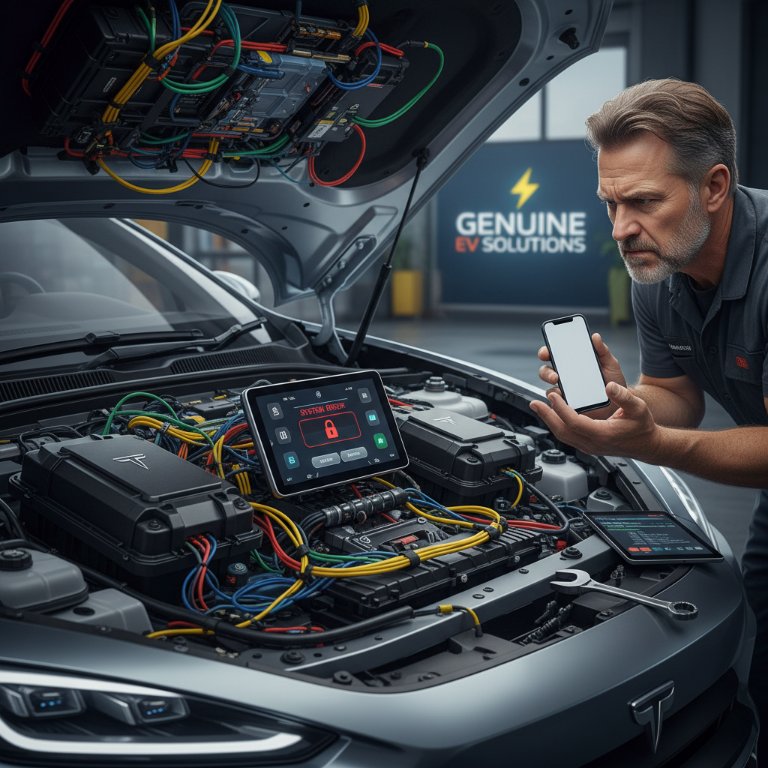
The electric vehicle landscape, long celebrated for its innovation and promise of a cleaner future, faces a growing storm on two critical fronts: the erosion of familiar in-car connectivity and an alarming trend towards proprietary parts that threaten the very concept of accessible repairs. For savvy EV enthusiasts and prospective buyers, 2026 is shaping up to be a pivotal year, marking a significant shift in how manufacturers aim to control the entire ownership experience.
The Battle for Your Dashboard: Farewell, CarPlay and Android Auto?
For years, Apple CarPlay and Android Auto have been the undisputed champions of in-car infotainment, seamlessly extending smartphone functionality to vehicle screens. Their intuitive interfaces, familiar apps, and consistent performance have made them a must-have for millions. However, a seismic shift is underway, with manufacturers like General Motors (GM) openly declaring their intent to pivot away from these popular platforms in favor of in-house software solutions. This isn't merely a technological upgrade; it's a strategic power play.
OEMs' Rationale: By developing their own operating systems, automakers aim to gain full control over the user interface, integrate vehicle-specific features more deeply, and, crucially, unlock new revenue streams through subscription services, data collection, and targeted advertising. It’s a move akin to Apple controlling both hardware and software, promising a more integrated experience – at least in theory.
Consumer Impact: The immediate concern for consumers is the potential loss of familiarity and choice. While some proprietary systems might offer innovative features, the risk of a fragmented, less polished, and potentially inferior user experience is high. Drivers accustomed to the reliability and expansive app ecosystem of CarPlay or Android Auto may find themselves grappling with steep learning curves and limited functionality.
The Looming Repairability Crisis: When Your EV Becomes a Black Box
Beyond the dashboard, an even more insidious trend is taking hold in the EV market: the increasing complexity of vehicle systems coupled with a concerted push towards proprietary parts and repair methodologies. This threatens not only the burgeoning DIY repair community but also experienced independent mechanics, potentially leading to inflated maintenance costs and reduced vehicle longevity. The implications for long-term ownership are dire.
Proprietary Hardware: Reports indicate manufacturers like BMW are exploring the use of proprietary screws and fastenings, effectively making common repairs impossible without specialized (and often exclusive) tools. This tactic has a chilling effect on the ability of non-dealership service centers to perform routine maintenance or diagnostics.
Software Locks and Allegations: The issue extends to software, with allegations surfacing that Hyundai has actively blocked Ioniq owners from performing even basic brake repairs outside of authorized service networks. Such actions suggest a deliberate strategy to monopolize repair and maintenance services, forcing owners into expensive dealership visits even for straightforward issues.
Consequences for Owners: This trend translates directly to higher total cost of ownership (TCO) for EV owners. Simple repairs become complex, diagnostics require proprietary tools, and the competitive pricing offered by independent shops is severely undermined. It fundamentally challenges the 'right to repair' movement that has gained traction across various industries.
Why This Matters:
This dual assault on open connectivity and repairability represents a critical juncture for the EV industry. For consumers, it signals a potential future where their vehicle is less a personal asset and more a controlled ecosystem, subject to the whims and revenue strategies of the manufacturer. The initial promise of lower running costs and technological freedom for EVs could be overshadowed by unforeseen expenses and frustrating limitations.
Automakers, in their quest for greater control and new revenue streams, are walking a tightrope. While developing proprietary systems offers the allure of unique brand experiences and data monetization, it risks alienating a tech-savvy customer base accustomed to open standards and consumer choice. This strategy could backfire, leading to consumer distrust, potential regulatory scrutiny over anti-competitive practices, and a diminished aftermarket ecosystem. The winners, if manufacturers succeed, will be the OEMs who effectively execute their in-house software and service networks. The clear losers, however, are the consumers, independent repair shops, and the broader push for sustainable, long-lasting vehicles.
The trajectory for the EV market in 2026 and beyond hinges on how manufacturers balance innovation and control with fundamental consumer rights. The current trends suggest a future where the electric dream might come with a hidden, and potentially expensive, premium on freedom and flexibility.