Prius Parts Spark a DIY EV Revolution: Classic Jeep CJ-5 Electrified with Ingenuity
The burgeoning world of electric vehicles isn't solely defined by gigafactories and brand-new models; it's increasingly shaped by the ingenuity of ent...
Editorial Team
World Of EV
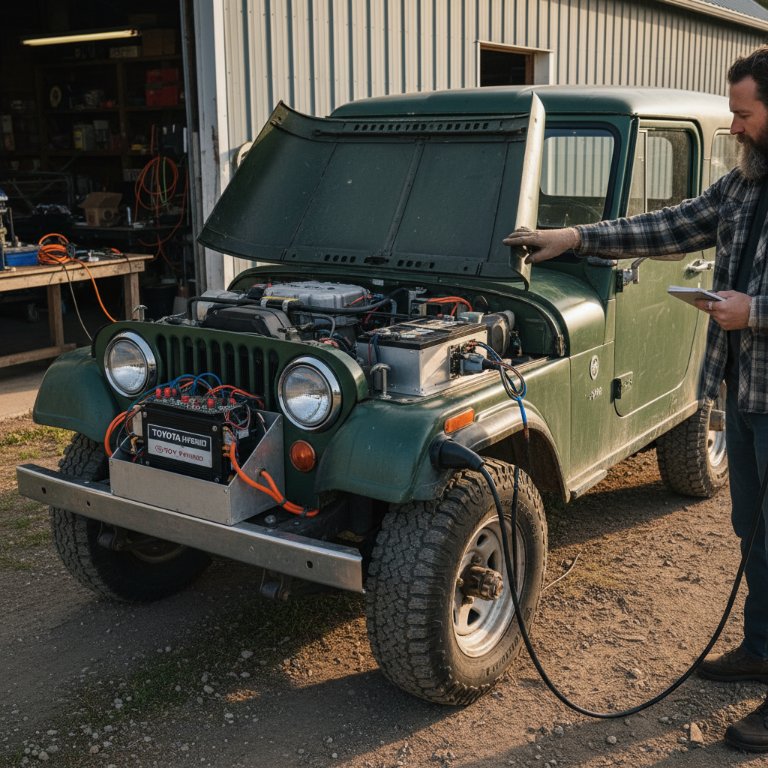
The burgeoning world of electric vehicles isn't solely defined by gigafactories and brand-new models; it's increasingly shaped by the ingenuity of enthusiasts pushing the boundaries of adaptation and sustainability. Today, the EV community is buzzing about a remarkable project: a venerable Jeep CJ-5, once a symbol of internal combustion ruggedness, has been reborn as an electric farm vehicle, powered by an unlikely hero – modified Toyota Prius hardware. This isn't merely an engine swap; it's a masterclass in resourceful engineering that offers a potent blueprint for accessible EV conversions.
The Ingenious Hybrid Heart
Jeremy, the visionary behind this conversion, didn't opt for expensive, purpose-built EV components. Instead, he deftly repurposed the robust electric motor from a Toyota Prius. This choice is particularly significant for savvy EV enthusiasts who understand the inherent reliability and power density of components designed for mass-produced hybrids. Unlike many DIY conversions that struggle with complex power electronics, Jeremy streamlined the process:
- Direct Power Delivery: He bypassed the Prius's original buck/boost converter, directly feeding energy from a higher-voltage battery pack to the inverter. This simplification reduces component count and potential points of failure, a critical consideration for any custom build.
- Repurposed Prius Motor: The Prius's motor, known for its efficiency and durability within a hybrid system, now serves as the primary propulsion unit for the classic Jeep, demonstrating the versatility of established automotive hardware.
Charging Ahead, Sustainably
Perhaps the most brilliant 'life hack' of this project lies in its charging solution. Instead of purchasing an expensive, dedicated EV charger, Jeremy ingeniously repurposed the Prius's buck/boost converter. This demonstrates a deep understanding of power electronics and a commitment to cost-effective, sustainable solutions. The setup works as follows:
- Integrated Charging: The modified buck/boost converter now functions as a charger, allowing the Jeep’s battery to be replenished using a standard EV charging cord.
- Simplified Electronics: A rectifier converts the AC input from the charging cord to DC, which then flows through the repurposed Prius hardware, minimizing the need for additional, costly power conversion electronics.
- Open-Source Control: An open-source controller acts as the 'brain' of the conversion, managing power flow and system parameters. This commitment to open-source technology further democratizes EV conversion, providing a flexible and transparent platform for builders.
Why This Matters:
This Jeep CJ-5 conversion isn't just a fascinating one-off; it's a powerful statement and a potential game-changer for the entire EV adaptation ecosystem. For years, the high cost and complexity of sourcing specialized EV conversion kits have been significant barriers for many. This project shatters those barriers by showcasing the immense potential of repurposing readily available, often more affordable, components from established hybrid vehicles. Here's why this matters:
- Democratizing EV Conversions: By leveraging common, robust components like those from a Prius, Jeremy provides a tangible roadmap for budget-conscious enthusiasts and workshops. This could significantly lower the entry barrier for EV conversions, making them accessible to a wider audience than ever before.
- Promoting Sustainability and Circularity: This project embodies true sustainability. Instead of discarding perfectly functional hybrid components, it gives them a second, productive life. In an era where resource conservation is paramount, this approach offers a compelling alternative to virgin material consumption.
- Validating Open-Source Solutions: The reliance on an open-source controller highlights the growing power of collaborative development in the automotive world. These flexible, community-driven platforms empower builders to customize and control their vehicles without being locked into proprietary systems.
- Challenging Industry Norms: While major OEMs focus on new vehicle development, projects like this demonstrate that a significant pathway to electrification lies in reimagining and revitalizing existing vehicle fleets. It signals that innovation isn't exclusive to massive R&D budgets but thrives in garages and workshops worldwide.
This pioneering Jeep CJ-5 conversion stands as a testament to the ingenuity and resourcefulness that will undoubtedly fuel the next wave of EV adoption. It’s a compelling vision of a future where sustainability and accessibility drive automotive innovation, proving that sometimes, the most revolutionary solutions come from repurposing what's already proven reliable. This project isn't just about an electric Jeep; it's about an electric future built by everyone.