Polestar Ignites Price War, Offers Unprecedented Discounts to Lure Tesla Owners Amidst Cooling EV Market
Polestar, the premium electric performance brand, is making an aggressive play for market share with unprecedented discounts, including up to a stagge...
Editorial Team
World Of EV
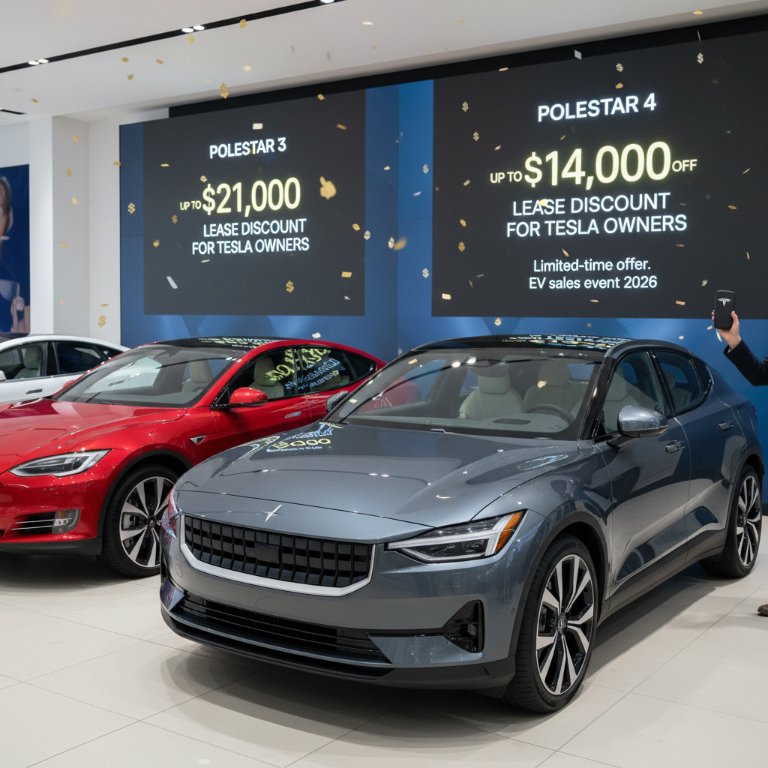
Polestar, the premium electric performance brand, is making an aggressive play for market share with unprecedented discounts, including up to a staggering $21,000 off a 2025 Polestar 3 lease for current Tesla drivers. This bold strategy, which also extends significant savings to other buyers on both the Polestar 3 and Polestar 4, signals a pivotal moment for the brand amidst a challenging and rapidly evolving electric vehicle landscape.
After years of carving out its niche as a design-focused, performance-oriented electric alternative, spun off from the venerable Volvo marque, Polestar is now directly confronting the realities of a decelerating EV market in 2026. With increasing competition and lingering economic uncertainties, the brand is clearly banking on compelling value to drive adoption for its crucial new models.
The Allure of Unprecedented Savings
The core of Polestar's offensive lies in its substantial incentive programs, designed to make its premium offerings significantly more accessible:
- For Tesla Owners (The 'Switch to Polestar' Program):
- Up to $21,000 lease discount on the 2025 Polestar 3.
- Up to $14,000 off a Polestar 4 for cash or finance buyers.
- For All Other Cash or Finance Buyers:
- $18,000 off the Polestar 3.
- Up to $10,000 off the Polestar 4.
These figures represent some of the most aggressive incentives seen in the premium EV segment to date, far surpassing the typical lease support or minor financing deals. The clear focus on targeting Tesla owners suggests Polestar sees an opportunity to capitalize on potential brand fatigue or a desire among existing EV enthusiasts for a fresh, design-led alternative.
Polestar 3 and 4: The Stakes Are High
The vehicles at the heart of this strategy – the Polestar 3 and Polestar 4 – are critical to the brand's long-term success. Unlike the Polestar 2, which shared its CMA platform with Volvo siblings, the Polestar 3 and 4 are built on dedicated EV architectures, representing Polestar's true intent to compete at the highest levels. The Polestar 3 is a sleek, performance-oriented SUV designed to challenge segment leaders like the Porsche Macan EV and Tesla Model X, while the Polestar 4, an SUV coupé with its distinctive rear window deletion, aims squarely at the likes of the Tesla Model Y Performance and BMW iX2, promising a blend of style and substance.
Why This Matters:
Market Correction and Price Wars: The cooling of EV sales in 2026 has clearly pushed manufacturers to rethink their pricing strategies. Polestar's move could trigger further price adjustments across the premium EV segment, benefiting consumers but squeezing manufacturer margins. This is a do-or-die moment for brands like Polestar to establish a solid customer base.
Direct Assault on Tesla: By specifically targeting Tesla owners, Polestar is attempting to poach from the industry leader's loyal customer base. This indicates Polestar believes there's a segment of Tesla drivers looking for a different premium experience—perhaps one that emphasizes traditional luxury cues, build quality, and distinct design over raw acceleration or autonomous driving features.
Margin vs. Market Share: Offering such deep discounts will inevitably impact Polestar's profitability in the short term. This move underscores a strategic decision to prioritize market penetration and brand visibility over immediate high margins, a common tactic for newer brands striving to establish a foothold.
Consumer Wins Big: For prospective buyers, especially those considering an upgrade from a Tesla or entering the premium EV market, these incentives represent unparalleled value. It makes the Polestar 3 and 4 – vehicles known for their design, technology, and performance – significantly more attractive.
Polestar's bold gambit with these substantial discounts marks a critical juncture for the brand, and indeed, for the premium EV market. As the industry navigates a period of adjustment, this aggressive strategy will undoubtedly redefine Polestar's competitive positioning and serve as a crucial test of its ability to convert compelling value into sustained market presence.