Polestar 3's Software Redemption: A Critical Win for the Brand's Premium Ambitions
The automotive industry, particularly the rapidly evolving electric vehicle (EV) segment, knows that a vehicle's success isn't solely defined by its h...
Editorial Team
World Of EV
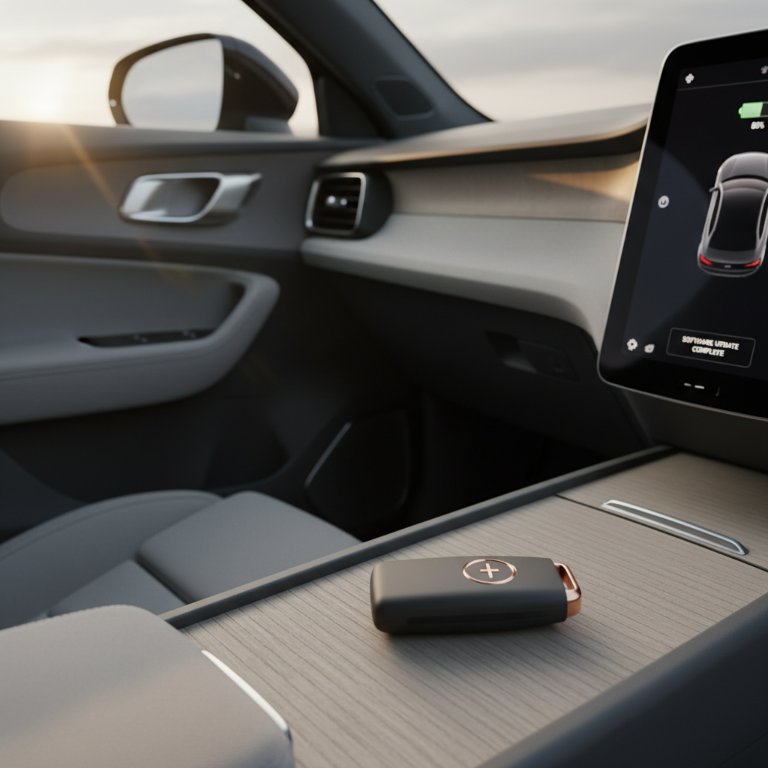
The automotive industry, particularly the rapidly evolving electric vehicle (EV) segment, knows that a vehicle's success isn't solely defined by its hardware. Software, connectivity, and the seamless user experience they deliver are increasingly paramount. For Polestar, a brand that has meticulously carved out a niche in the premium EV space, the initial journey with its eagerly anticipated Polestar 3 has been a proving ground for this very truth. After initial reports hinted at early software stumbles, recent owner feedback suggests Polestar has turned a crucial corner, delivering on its promise of a refined digital experience.
From its inception, Polestar aimed to blend Scandinavian design with cutting-edge electric performance. The Polestar 3, designed from the ground up as a premium electric SUV, was meant to be a flagship, showcasing the brand's technological prowess. However, the early days of its rollout, much like many new EV platforms before it – think some of Volkswagen's early ID. software quirks or even early Tesla FSD iterations – were reportedly not without their digital challenges. Owners encountered frustrating intermittent key recognition issues and, perhaps more jarringly, blank infotainment screens, undermining the premium feel Polestar strives for. Such glitches, while often rectifiable, can significantly sour the initial ownership experience and cast a shadow over an otherwise impressive vehicle.
The Software Revival: A Smoother, Smarter Polestar 3
Thankfully, Polestar appears to have heeded feedback and aggressively addressed these early software shortcomings. A recent detailed account from a Polestar 3 owner highlights a dramatic turnaround post-update, transforming the user interface and overall responsiveness. This isn't merely a bug fix; it's a significant enhancement that elevates the daily interaction with the vehicle. Key improvements noted include:
- Quicker App Responses: Applications within the infotainment system now launch and operate with far greater fluidity, eliminating frustrating delays.
- Snappier Infotainment: The entire infotainment system feels more responsive and intuitive, enhancing navigation, media control, and vehicle settings adjustments.
- More Stable Battery Range: Crucially for EV owners, the battery range estimations have become more consistent and reliable, reducing range anxiety and improving planning confidence.
Beyond the digital realm, the Polestar 3 continues to impress with its tangible luxuries. The premium audio system consistently receives accolades for its immersive sound quality, underscoring the brand's commitment to high-end in-cabin experiences. However, even as software improves, some hardware nuances remain. The reported issue of the key fob running out of battery, while seemingly minor, represents a significant inconvenience for owners and points to an area where Polestar needs to ensure robust, long-term reliability across all components.
Why This Matters:
This software redemption for the Polestar 3 is far more than just a minor update; it's a pivotal moment for the brand. In the intensely competitive premium EV segment, where rivals like Tesla consistently push software boundaries and Mercedes-Benz invests heavily in its MBUX system, a flawless digital experience is non-negotiable. For Polestar, which has historically shared some software architecture with Volvo, demonstrating independent and swift resolution of software issues builds crucial brand trust and competence. This turnaround signals Polestar's maturity in managing complex vehicle software, a vital attribute for retaining existing customers and attracting discerning new buyers who might have been deterred by earlier reports. It helps solidify their position as a true premium EV player, rather than just a stylish offshoot of Volvo. This commitment to iterative improvement is a win for both Polestar and its customers, ensuring the 'smart' in smartphone-on-wheels is actually smart.
The initial stumbles and subsequent recovery of the Polestar 3's software underscore a fundamental truth in the modern automotive landscape: the vehicle is increasingly defined by its digital brain. Polestar's swift and effective response to early owner feedback, transforming the user experience, bodes well for the brand's future. While minor hardware inconveniences like the key fob battery persist, the significant strides in software performance position the Polestar 3 as a more compelling, refined, and truly premium offering, reinforcing Polestar's ambitious trajectory in the global EV market.