Polestar 3 Rewires the Game: 800V Charging and Strategic Pricing Revamp SUV for 2026
Polestar's critical entry into the premium electric SUV market, the Polestar 3, is set to undergo a significant transformation for its 2026 model year...
Editorial Team
World Of EV
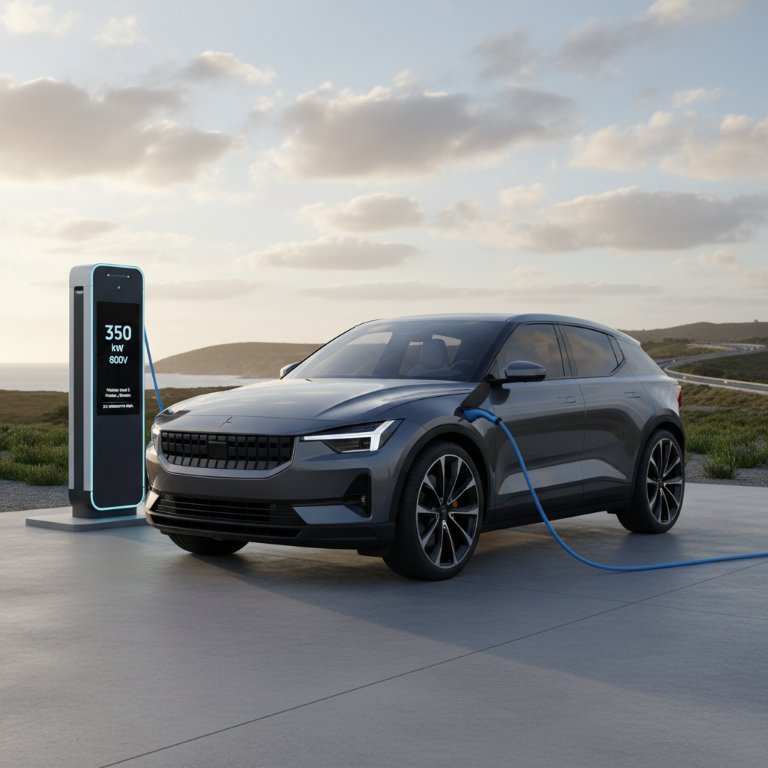
Polestar's critical entry into the premium electric SUV market, the Polestar 3, is set to undergo a significant transformation for its 2026 model year, arriving in Australia in mid-2026. These aren't minor tweaks; Polestar is unleashing a barrage of upgrades, including a cutting-edge 800V electrical architecture, dramatically faster charging, a more attractive entry price, and a brain transplant with NVIDIA's latest AI processing power. This strategic overhaul positions the Polestar 3 as a formidable contender in a fiercely competitive segment, signaling Polestar's unwavering commitment to technological leadership and market responsiveness.
Next-Gen Charging Capability Unlocked
The most impactful upgrade is the adoption of an 800V electrical architecture, a move that immediately thrusts the Polestar 3 into an elite club of EVs. This advanced system allows for DC fast-charging speeds up to a blistering 350kW, a substantial leap from the previous 250kW peak. For drivers, this translates to real-world convenience: a 10-80% charge time of approximately 22 minutes, representing over a 25% improvement. This charging prowess puts the Polestar 3 on par with industry leaders like the Porsche Taycan and Hyundai/Kia's E-GMP platform vehicles, significantly reducing range anxiety on long journeys. The 800V system also brings efficiency improvements, reportedly up to 6% on the WLTP cycle, and pairs with new CATL battery packs (92 kWh for the Rear Motor and 106 kWh for dual motor variants).
Strategic Value Play: More for Less
Polestar is also making a bold statement on value. The starting price for the Rear Motor variant has dropped to a more accessible $116,700. Crucially, the previously optional 'Plus pack', a significant package of premium features, now comes standard across all models. This re-evaluation of pricing and standard equipment is a shrewd move, enhancing the Polestar 3's appeal against rivals such as the BMW iX, Mercedes-Benz EQE SUV, and the forthcoming Porsche Macan EV. It addresses head-on the perception of value in the premium EV space, offering more for a compelling price point. All variants will also benefit from increased power output, with the Performance model now delivering 500kW and 870Nm, enabling a blistering 0-100km/h sprint in just 3.9 seconds. The Dual Motor variant gains a front motor disconnect for improved efficiency.
Future-Proofed Intelligence: NVIDIA Orin and Customer Goodwill
Underpinning the Polestar 3's advanced capabilities is the integration of NVIDIA's DRIVE AGX Orin processor, replacing the older Xavier unit. This is a monumental upgrade in computational power, boosting processing capability from 30 to a staggering 254 trillion operations per second (TOPS). The Orin platform is designed for high-performance edge AI, critical for advanced driver-assistance systems (ADAS), sensor fusion, and the smooth operation of a truly software-defined vehicle. In an unprecedented move demonstrating genuine commitment to its early adopters, Polestar is offering a free hardware retrofit of the NVIDIA DRIVE AGX Orin processor to existing Polestar 3 owners, ensuring no one is left behind as the platform evolves.
Why This Matters:
This comprehensive refresh is nothing short of a strategic reset for the Polestar 3, and by extension, Polestar as a brand. For Polestar, these updates are crucial for solidifying its position as a premium, technology-forward EV manufacturer. The 800V architecture isn't just a spec sheet boast; it's a critical enabler for long-distance travel and rapid replenishment, directly addressing a key pain point for EV adoption. By democratizing the Plus pack and adjusting pricing, Polestar is aggressively targeting market share, signaling that it is listening to consumer feedback and ready to compete on value, not just design and performance. The NVIDIA Orin upgrade future-proofs the vehicle's intelligence, essential for upcoming autonomous driving features and sophisticated in-car experiences. The free retrofit for current owners is a brilliant move, building immense brand loyalty and setting a high bar for customer support in an industry often criticized for leaving early adopters behind. This package of upgrades makes the Polestar 3 a significantly more compelling proposition in the luxury EV SUV segment, putting immense pressure on competitors to accelerate their own technological advancements and value offerings.
Conclusion:
The 2026 Polestar 3, set to arrive in Australia in mid-2026, emerges as a substantially enhanced and more competitive electric SUV. With its cutting-edge 800V charging, increased standard features, and a powerful new brain for its advanced systems, Polestar has delivered a compelling argument for its place at the top tier of the EV market. These updates demonstrate a brand maturing rapidly, ready to challenge established players and redefine expectations for premium electric mobility.