Nissan's App Sunset Strands Early EV Adopters, Signals Broader Industry Challenge
Nissan is pulling the plug on its NissanConnect EV app, effective March 30, 2026, leaving thousands of owners of older Nissan Leaf models (produced be...
Editorial Team
World Of EV
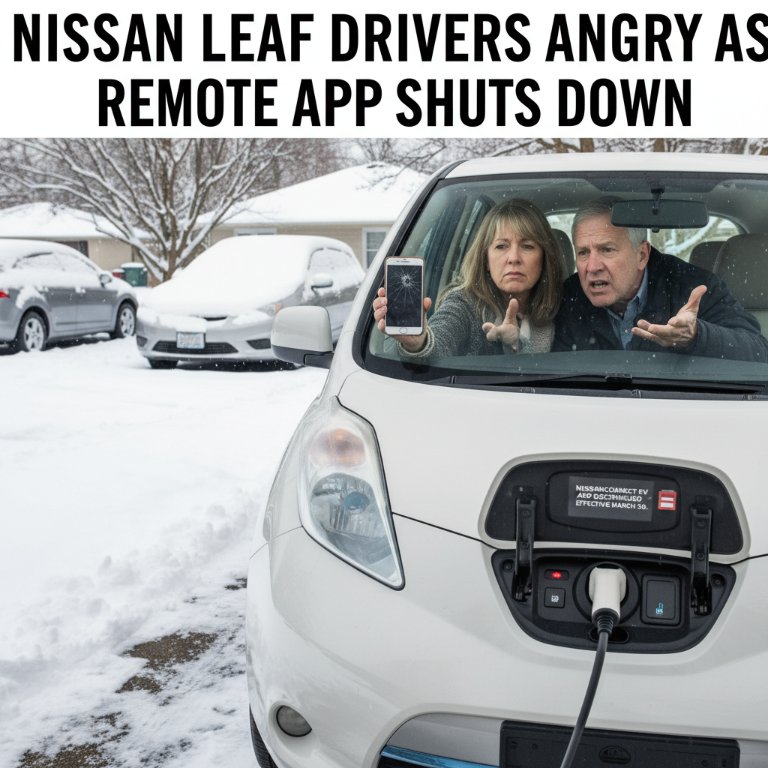
Nissan is pulling the plug on its NissanConnect EV app, effective March 30, 2026, leaving thousands of owners of older Nissan Leaf models (produced before May 2019) and e-NV200 vans without essential remote connectivity features. This move, which eliminates critical functions like remote battery charging control and pre-heating, has sparked outrage among affected customers and serves as a stark warning for the entire 'connected car' industry.
These owners were early adopters, having invested in Nissan's pioneering electric vehicles and relying on these modern conveniences as core to their EV ownership experience. The discontinuation highlights the growing pains of automotive technology and raises serious questions about long-term support for embedded systems.
The Disappearing Act: Core Features Vanish
Starting March 30, 2026, owners of specific Nissan Leaf models (manufactured before May 2019) and e-NV200 vans (produced until 2022) will lose access to the NissanConnect EV app. This shutdown will disable crucial remote services that have become integral to EV practicality:
- Remote Battery Charging Control: Owners will no longer be able to initiate, stop, or schedule charging remotely.
- Cabin Pre-heating/Pre-cooling: The convenience of warming up or cooling down the vehicle before entry will cease to function via the app.
- Select Map-related Features: Certain navigation and location services tied to the app will also become inaccessible.
While Nissan states that in-car features like the Climate Control Timer and Charging Timer will remain operational via the vehicle's infotainment system, the loss of remote access is a significant blow to user convenience. The automaker cites the app's 'legacy architecture' as the reason, stating it cannot be upgraded to support future enhancements or align with ongoing development plans. This decision leaves owners feeling a 'shockingly bad' customer experience, frustrated by the sudden removal of functionality they purchased and relied upon.
A Troubled Legacy for Early Adopters
This isn't Nissan's first challenge concerning its early EV adopters. The Nissan Leaf, a trailblazer in the modern EV market, gained a reputation for significant battery degradation issues in its earlier models, particularly in hot climates, largely due to the absence of active thermal management for its battery packs. While later models saw improvements in battery chemistry, the fundamental design choice of passive air cooling persisted, often leaving owners to contend with faster capacity loss compared to actively cooled rivals. The current app shutdown further strains the relationship with these loyal customers, who have consistently faced challenges with Nissan's long-term support for their pioneering electric vehicles.
Why This Matters:
This move by Nissan is far more than an inconvenience for a subset of owners; it's a profound signal to the entire automotive industry and prospective EV buyers:
- Erosion of Trust and Brand Loyalty: Existing owners, many of whom are loyal Nissan customers and early EV advocates, now face diminished vehicle functionality and value. This decision could severely impact Nissan's reputation for future connected services, potentially deterring buyers from their newer EVs like the Ariya, who may fear similar obsolescence.
- The Software Obsolescence Dilemma: The 'connected car' relies heavily on software and network infrastructure. As technology evolves (e.g., the phasing out of 2G/3G networks, which some older vehicles relied upon for telematics), manufacturers must confront the challenge of supporting aging hardware and software platforms. Nissan's choice highlights the stark reality that embedded technology has a finite lifespan, a new dimension of obsolescence that consumers are only beginning to grapple with.
- A Call for Industry Standards and Longevity: Experts warn this foreshadows similar problems for other connected cars as they age. The industry needs to establish clearer guidelines and commitments for the longevity of connected services, or provide hardware upgrade paths. Without such assurances, consumers risk investing in features that could disappear long before the vehicle reaches the end of its mechanical life.
- The Hidden Cost of Connectivity: While modern EVs boast advanced features, this incident reveals a hidden, long-term cost: the ongoing support and maintenance of complex digital ecosystems. This could prompt consumers to scrutinize a manufacturer's commitment to long-term software support as much as they do battery warranties.
Conclusion:
Nissan's discontinuation of the NissanConnect EV app for its early Leaf and e-NV200 models is a regrettable chapter for the brand and a potent lesson for the broader automotive landscape. It underscores the critical need for automakers to prioritize not just innovation, but also sustainable, long-term software support and transparent communication to maintain consumer trust in the rapidly evolving era of electric and connected vehicles. The future of mobility demands more than just advanced features; it requires enduring commitment to the entire ownership experience.