Mexican EV Owners Hit With Steep Repair Costs, Driving Up Insurance Premiums
Electric vehicle (EV) adoption in Mexico, while experiencing notable growth, now faces a significant hurdle: alarmingly high repair costs that are dir...
Editorial Team
World Of EV
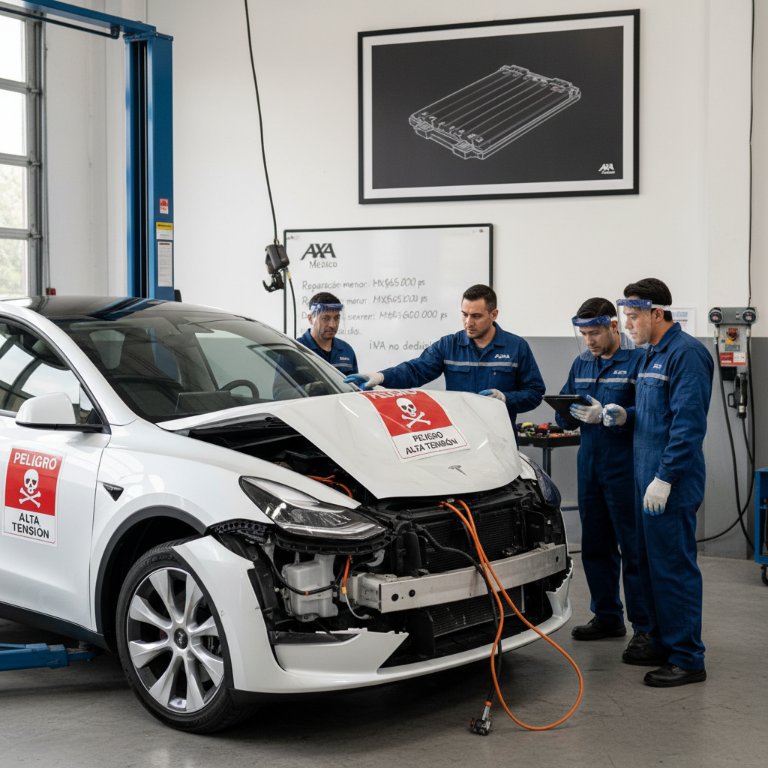
Electric vehicle (EV) adoption in Mexico, while experiencing notable growth, now faces a significant hurdle: alarmingly high repair costs that are directly impacting insurance premiums. A recent report from AXA Mexico highlights a stark reality for EV owners, revealing that even minor collisions can incur substantial financial burdens, dwarfing those typically associated with gasoline-powered vehicles. This trend signals a critical inflection point for the burgeoning Mexican EV market, which saw a 39% rise in full-year EV sales in 2025.
The Alarming Price Tag of EV Repairs
Minor fender-benders involving electric vehicles in Mexico can lead to average repair costs of MX$65,000 (US$3,776). This figure pales in comparison to the far more severe cases, where damage to high-voltage components or structural elements sends repair bills soaring to between MX$500,000 (US$29,047) and MX$600,000 (US$34,857). For context, minor claims for a gasoline vehicle in Mexico average around MX$15,000, with complex claims exceeding MX$90,000 – making EV repair costs for complex incidents 60% to 70% higher than their ICE counterparts.
The Complexities Driving Up Costs
Several intertwined factors contribute to these inflated repair expenses:
- Mandatory Technical Inspections and Safety Protocols: EVs feature sophisticated high-voltage systems and unique structural designs. Post-collision, these vehicles require rigorous technical inspections and adherence to stringent safety protocols, often necessitating specialized facilities, tools, and highly trained technicians.
- Underestimated Diagnostics Scope: EV owners often underestimate the extent of diagnostics required after an impact. Even seemingly minor incidents can miscalibrate advanced driver-assistance systems (ADAS), demanding costly recalibration to ensure proper functioning and safety.
- Expensive Components and Limited Infrastructure: Battery packs and power electronics are inherently expensive components, increasing the insured value and potential payout in a claim. Moreover, the limited availability of certified repair infrastructure further restricts options and pushes costs higher.
- Elimination of VAT Credits: A recent fiscal change in Mexico, the Federal Revenue Law for 2026, has eliminated insurers' ability to credit Value-Added Tax (VAT) paid on vehicle repairs and claim settlements. This shift transforms VAT into a non-recoverable cost for insurers, which they are now passing on to policyholders, directly contributing to rising premiums.
Why This Matters:
This trend in Mexico is not an isolated incident; it serves as a crucial warning for the global EV market. While the Mexican EV market, led by players like BYD capturing a significant share, has been growing rapidly (9.5% of all new car sales in 2025 across EVs and hybrids), these escalating repair and insurance costs threaten to undermine the perceived economic advantages of electric vehicle ownership. Historically, EVs have been touted for lower running costs due to reduced maintenance requirements. However, the data from AXA Mexico, mirroring global reports showing EV collision repair costs being 20-28% higher than ICE vehicles, challenges this narrative. This situation disproportionately impacts early adopters and prospective buyers, raising the total cost of ownership and potentially slowing the pace of EV adoption.
Ultimately, this signals a critical challenge for the entire EV ecosystem. Insurers face increased operational costs and higher claim severity, leading to tighter underwriting and higher premiums. Consumers lose out through increased out-of-pocket expenses and more expensive insurance. The market demands more repair-friendly EV designs, greater standardization in diagnostic and repair protocols, and a significant expansion of specialized technician training. Without these systemic improvements, the promise of affordable, sustainable EV mobility remains at risk, particularly in cost-sensitive markets like Mexico.
Conclusion:
The soaring EV repair costs and subsequent rise in insurance premiums in Mexico highlight a pressing need for a collaborative industry response. Automakers, insurers, and repair networks must work together to innovate on vehicle design for easier and more affordable repairs, standardize safety and diagnostic procedures, and invest heavily in specialized training for technicians. Addressing these challenges is paramount to ensuring that electric vehicles remain an attractive and accessible option for consumers, sustaining the momentum towards a cleaner automotive future.