Mercedes EQB Recall Ignites Range Anxiety, Raises Critical EV Battery Safety Questions
Mercedes-Benz, a stalwart of luxury automotive engineering, faces a significant challenge to its burgeoning EQ electric vehicle lineup. The German aut...
Editorial Team
World Of EV
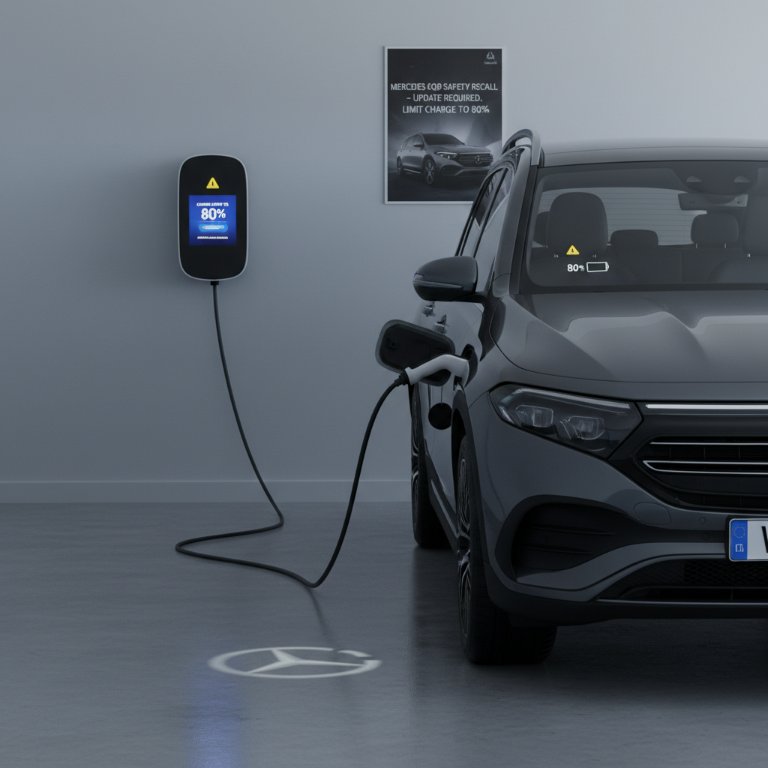
Mercedes-Benz, a stalwart of luxury automotive engineering, faces a significant challenge to its burgeoning EQ electric vehicle lineup. The German automaker has issued a critical recall for 169 units of its 2022-2023 EQB electric SUV, citing a potential short circuit that poses a serious battery fire risk. This recall not only spotlights the ongoing complexities of EV battery safety but also delivers a substantial blow to real-world usability, significantly reducing the range for affected owners.
Upon discovery of the potential 'thermal event' hazard, Mercedes-Benz quickly advised affected EQB owners to limit their vehicle's charging capacity to 80%. While a temporary measure, this immediate recommendation underscores the gravity of the safety concern. The permanent solution, a mandatory software update performed at a Mercedes service center, inadvertently introduces a new and arguably more enduring headache for owners: a drastic reduction in the vehicle’s practical driving range. For the EQB 350 model, the EPA-estimated 227 miles of range plummets to a mere 150 miles after the update. This substantial decrease translates to a tangible and immediate impact on the ownership experience, directly challenging the promise of electric mobility.
Critical Software Update and Its Cost to Owners
The recall centers on a software vulnerability that could lead to a short circuit within the battery pack. Mercedes' engineers have developed a fix, requiring owners to bring their vehicles to a dealership for the update. This incident, while affecting a relatively small number of vehicles, nonetheless casts a shadow over the brand's commitment to flawless EV integration. Key details include:
- Affected Models: 169 units of MY22-23 EQB electric vehicles.
- Root Cause: Potential short circuit leading to battery fire risk.
- Interim Advice: Limit charging to 80% capacity.
- Permanent Fix: Software update at a Mercedes service center.
- Impact on Range: EQB 350 real-world range reduced from 227 EPA miles to approximately 150 miles.
Mercedes has been quick to reassure the market, stating that batteries in later EQB models incorporate more robust designs and are not affected by this particular issue. However, for current owners of the recalled vehicles, this offers little solace as they contend with a significantly diminished vehicle capability. This situation highlights a recurring theme in the rapidly evolving EV landscape: the delicate balance between cutting-edge battery technology, safety protocols, and real-world performance.
Why This Matters:
This Mercedes EQB recall is far more than an isolated incident; it’s a bellwether for the ongoing challenges and critical considerations within the electric vehicle industry. For Mercedes-Benz, a brand synonymous with engineering excellence and premium quality, this recall represents a dent in its nascent EQ sub-brand's reputation. At a time when consumer confidence in EVs is still solidifying, any safety concern, particularly one involving battery fires, can have outsized repercussions.
- Impact on Mercedes' Brand Image: While the number of affected vehicles is small, the prestige of the Mercedes-Benz name means every recall is scrutinized. This incident could lead some prospective buyers to question the reliability and safety of the EQ lineup, especially compared to more established EV players like Tesla, which has largely navigated its battery safety issues through software updates and proactive monitoring.
- Owner Loyalty and Trust: For the 169 EQB owners, this is a significant blow. They invested in a premium electric SUV, only to find its usable range slashed by over 30%. This erosion of promised performance, even for safety reasons, can severely impact brand loyalty and create a perception of an incomplete or compromised product. In an industry where range anxiety remains a top concern, a 77-mile reduction is not merely an inconvenience; it's a fundamental alteration of the vehicle's utility.
- Broader Industry Implications: This recall underscores the persistent challenge of battery management and thermal runaway prevention in EVs. While manufacturers are constantly innovating, integrating new software and hardware, the incident serves as a stark reminder that the technology is still maturing. It also highlights the double-edged sword of software updates – a powerful tool for improvement and safety, but one that can also fundamentally alter a vehicle's core performance characteristics post-purchase. This incident signals to the broader market that EV development, even for established automakers, is a complex tightrope walk between innovation, safety, and maintaining promised performance.
The Mercedes EQB recall serves as a critical case study in the evolving landscape of electric vehicles. While safety must always be paramount, the significant reduction in range for affected owners presents a difficult precedent. This event will undoubtedly push Mercedes, and the industry as a whole, to re-evaluate the trade-offs between battery safety measures and the essential performance metrics that drive consumer adoption and satisfaction. The future of EV success hinges not just on preventing thermal events, but on delivering a consistent, reliable, and uncompromised ownership experience from day one.