Mercedes EQA Owner Battles Haptic Buttons: A Critical Look at Premium EV Usability
In the rapidly evolving landscape of electric vehicles, the user experience within the cabin has become as crucial as range or charging speed. A recen...
Editorial Team
World Of EV
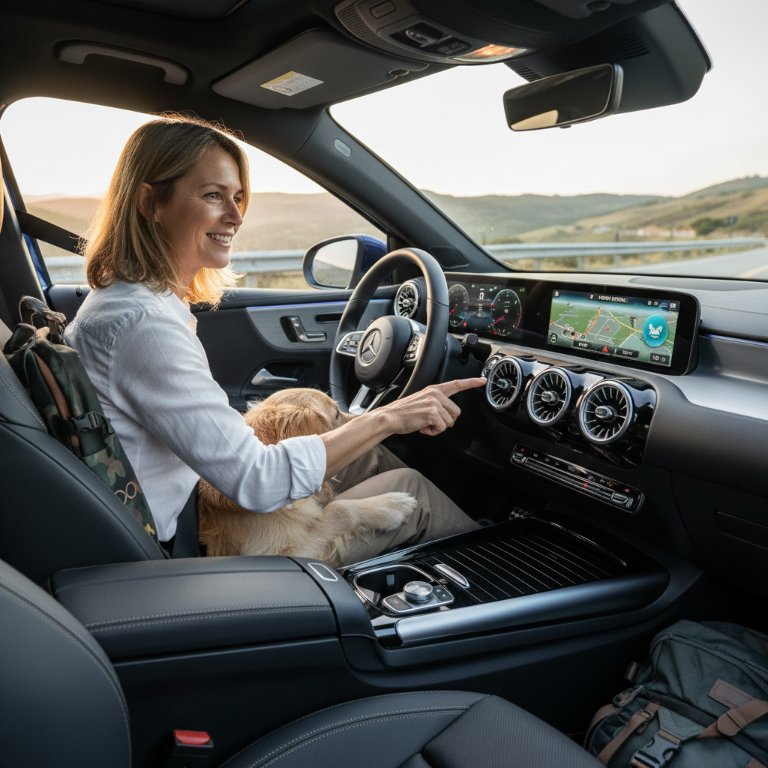
In the rapidly evolving landscape of electric vehicles, the user experience within the cabin has become as crucial as range or charging speed. A recent long-term review from a Mercedes EQA owner, shared after six months of daily driving, throws a spotlight on this very issue, revealing a dichotomy between general satisfaction with the EV's core capabilities and significant frustration with its modern, yet often impractical, haptic controls.
EQA Delivers on Core EV Promise
The Mercedes EQA, positioned as a gateway to the luxury marque's all-electric lineup, largely fulfills its primary duties according to the owner. The vehicle proved more than adequate for accommodating daily needs, easily fitting a dog and various equipment, and providing a comfortable environment for nationwide travel. This positive feedback on the EQA's practicality, range, and performance underscores Mercedes-Benz's commitment to delivering a competent electric vehicle capable of seamlessly integrating into a modern lifestyle. It suggests that on fundamental EV metrics, the EQA is a strong contender in its segment.
Haptic Headaches: Mercedes' Interface Under Fire
However, the glowing review takes a sharp turn when discussing the EQA's infotainment system. The owner expressed profound frustration with the vehicle's reliance on haptic buttons rather than traditional physical controls, lamenting, 'I have a fight with these buttons whilst simply trying to change the menu on my infotainment screen or select a new screen on the drivers display.' This isn't an isolated complaint; it echoes a growing sentiment across the automotive industry where manufacturers, in pursuit of sleek, minimalist aesthetics, are increasingly swapping tactile buttons for flat, often unresponsive, haptic surfaces. While visually appealing in a showroom, this design choice often translates to a compromised and distracting user experience on the road. Mercedes-Benz, traditionally lauded for its luxurious and intuitive interiors, appears to have prioritized a modern, screen-centric approach that, in this instance, has come at the expense of ergonomic functionality.
Why This Matters:
- The Usability vs. Aesthetics Dilemma: For premium brands like Mercedes-Benz, the push for ultra-modern, minimalist interiors, often featuring large screens and haptic feedback, presents a critical challenge. While aesthetically pleasing in static displays, the real-world driving experience demands intuitive and safe interaction. This review signals that Mercedes may be losing the balance, risking user frustration and potentially compromising safety due by diverting driver attention.
- Brand Perception and Loyalty: Mercedes-Benz has built its reputation on luxury, quality, and a refined driving experience. If fundamental interactions within the cabin become a source of 'a fight,' it erodes brand trust and could lead to prospective buyers looking at competitors who prioritize ergonomic design, even if it means retaining some physical controls. This is particularly relevant in the competitive EV market where software and user interface are increasingly vital differentiators.
- Safety Implications: The constant struggle to operate basic functions without physical feedback forces drivers to divert their gaze from the road to the screen, increasing the risk of distraction. In an era where driver distraction is a major concern, car manufacturers, especially those in the luxury segment, have a responsibility to design interfaces that are inherently safe and intuitive.
- Industry Signal: Other automakers, particularly those venturing deeper into EV production and digital interiors, should view this feedback as a cautionary tale. The perceived 'futuristic' appeal of haptic controls quickly diminishes when confronted with daily operational frustration. The market may be signaling a return to, or at least a hybrid approach with, well-designed physical controls for critical functions.
Conclusion:
The Mercedes EQA appears to be a capable and comfortable electric vehicle, fulfilling the practical needs of its owner. However, the recurring 'fight' with its haptic infotainment controls highlights a critical design misstep that mars an otherwise positive ownership experience. For Mercedes-Benz and the wider automotive industry, this serves as an urgent reminder that true luxury and innovation must always prioritize intuitive usability and driver safety over fleeting aesthetic trends. The future of premium EVs hinges not just on technological prowess, but on an impeccable, frustration-free interaction from behind the wheel. The next evolution of Mercedes' interior design must demonstrate they are truly listening to their customers.